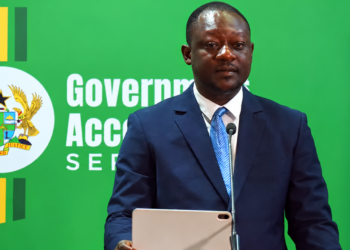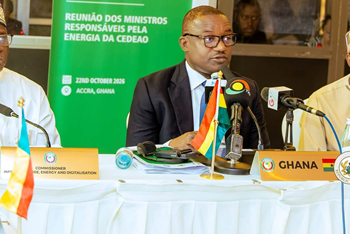


























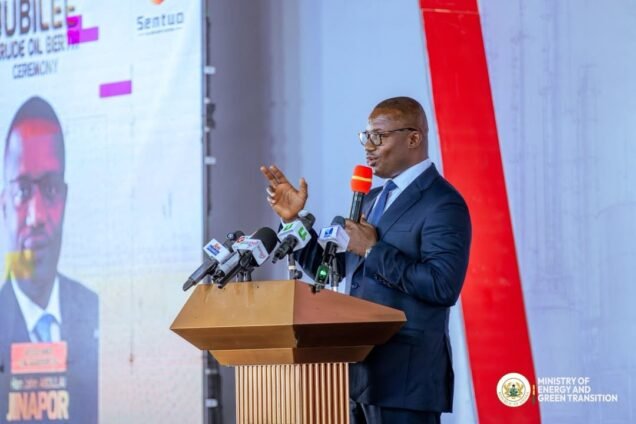
The Minister for Energy and Green Transition, Dr. John Abdulai Jinapor, has called for stronger policies, sustained investment and increased adoption of technology to build a resilient downstream petroleum sector capable of responding to future global energy disruptions.
Speaking at the Ghana International Petroleum Conference (GhIPCon) 2026, Dr. Jinapor said recent challenges in global energy markets had highlighted the need for countries to develop stronger energy systems before crises occur.
Delivering the keynote address on the theme, “Building a Resilient Downstream: Policy, Innovation and Investment for Growth,” the Minister said Ghana’s energy resilience must be anchored on sound policies, strategic infrastructure development and closer cooperation between government and industry stakeholders.
He noted that geopolitical tensions, supply chain disruptions, fluctuations in international oil prices, changing investment trends and the global energy transition have significantly altered the way countries approach energy security.
Dr. Jinapor said Ghana’s experience during recent global market disruptions demonstrated the importance of collaboration among government, regulators and private sector players in ensuring a stable supply of petroleum products.
He commended oil marketing companies, bulk distribution companies, transport operators and the National Petroleum Authority (NPA) for their role in maintaining fuel availability despite international market pressures.
However, the Minister stressed that temporary interventions alone cannot provide a sustainable solution to long-term energy security challenges.
He said Ghana must prioritise investments in expanded refining capacity, strategic petroleum reserves, modern storage facilities, efficient transportation systems and diversified supply chains to strengthen the downstream sector.
Dr. Jinapor also emphasised the need for a predictable policy environment to attract private sector investment, noting that investors require certainty while consumers need transparency and fairness.
“Government’s responsibility is therefore to provide a regulatory framework that encourages investment, promotes competition, protects consumers and supports the sustainable growth of the industry,” he stated.
The Energy Minister further highlighted the importance of digitalisation, automation and data-driven regulation in improving efficiency, reducing losses and enhancing transparency across the petroleum value chain.
He encouraged greater indigenous participation in the sector through technology transfer, skills development and innovation, while urging stakeholders to prepare for the opportunities and challenges associated with the global energy transition.
Dr. Jinapor acknowledged that although the world is moving towards cleaner energy sources, petroleum products will remain an important part of Ghana’s energy mix in the foreseeable future.
He said Ghana’s focus must be on managing the transition responsibly by meeting current energy needs while investing in cleaner fuels, improved efficiency and emerging technologies.
The Minister urged participants at GhIPCon 2026 to move beyond discussions and develop practical partnerships and investments that will strengthen Ghana’s petroleum industry.
“Resilience is not built in moments of crisis; it is built in the choices we make before the next crisis arrives,” Dr. Jinapor said.
He added that the success of the conference should be measured by the partnerships created, investments attracted and solutions developed to advance Ghana’s energy security.