

























The Chief Executive Officer of the National Petroleum Authority (NPA), Godwin Edudzi Tamakloe, has called for a stronger, more innovative and investment-driven downstream petroleum sector capable of withstanding global energy market disruptions.
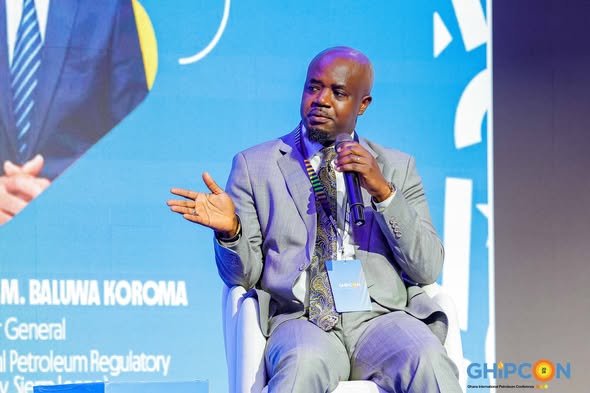
Speaking at the opening of the 7th Ghana International Petroleum Conference (GhIPCon 2026) in Accra, Mr. Tamakloe said Ghana’s downstream industry must move beyond responding to global shocks and develop the resilience required to sustain long-term growth and strengthen the country’s position as a regional energy hub.
The conference, held under the theme “Building a Resilient Downstream: Policy, Innovation and Investment for Growth,” brought together policymakers, regulators, investors, development partners and industry leaders from more than 25 countries.
According to the NPA Chief Executive, the theme was timely, given the impact of geopolitical tensions, supply chain disruptions, technological advancements and the global shift towards cleaner energy on the petroleum industry.
He said recent global uncertainties had highlighted the need for innovative strategies to attract investment and create buffers against external shocks within the fuel supply chain.
Mr. Tamakloe noted that Ghana’s downstream petroleum sector had demonstrated resilience by ensuring a consistent supply of petroleum products despite international market pressures.
He attributed this stability partly to government interventions, including adjustments to petroleum product margins, which helped prevent significant increases in fuel prices and supported economic stability.
He, however, stressed that resilience in the sector goes beyond fuel availability, adding that it requires stronger energy security systems, improved infrastructure, operational efficiency and institutions capable of responding effectively to changing market conditions.
The NPA boss identified innovation as a key driver of the sector’s future, urging industry players to embrace digital transformation, data-driven regulation, automation, smart logistics, cleaner fuel technologies and improved customer service systems.
He also emphasised the importance of sustained investment, describing it as critical to expanding and modernising infrastructure, developing technology and building the human capital needed to enhance Ghana’s competitiveness.
Mr. Tamakloe revealed that the downstream petroleum sector contributes about 10 percent to Ghana’s Gross Domestic Product (GDP), making it a vital component of the national economy.
He reaffirmed the NPA’s commitment to maintaining a transparent and predictable regulatory framework that protects consumers while boosting investor confidence, encouraging fair competition, ensuring product quality and supporting sustainable growth.
“Regulation should not only focus on compliance but must also inspire confidence, encourage innovation and facilitate responsible investment,” he said.
He added that the Authority continues to implement technology-driven solutions and policy measures to strengthen oversight of downstream operators, improve compliance, guarantee fuel quality and promote investment.
Mr. Tamakloe urged industry stakeholders to invest in safety, research and development, workforce capacity, operational excellence and digital transformation to remain competitive in an evolving global energy landscape.
He said GhIPCon 2026 provides an important platform for stakeholders to deliberate on key issues affecting the downstream sector, including regulatory reforms, infrastructure development, energy security, financing opportunities, local content, regional trade, environmental sustainability and technological advancement.
The NPA Chief Executive expressed optimism that discussions from the conference would produce practical recommendations to strengthen the downstream petroleum value chain, from refining and importation to transportation, storage, distribution and marketing.
He further highlighted opportunities under the African Continental Free Trade Area (AfCFTA), noting that Ghana has the potential to become a major regional centre for petroleum trading, storage, transportation and distribution.
According to him, achieving this ambition will require stronger regional collaboration, harmonised standards, modern infrastructure and continuous development of skilled professionals.
“Our greatest resource is not only the petroleum products we regulate but the human capital that drives the industry,” Mr. Tamakloe said, stressing the need to equip young professionals with the skills and innovative mindset required to lead Africa’s energy sector.
He urged participants to ensure that ideas generated at GhIPCon 2026 translate into actionable policies, strategic partnerships and tangible solutions for the industry.
The conference will climax with the Downstream Awards and Gala Night, which will honour industry players for excellence, innovation, compliance, safety, operational efficiency and their contributions to strengthening Ghana’s downstream petroleum sector.