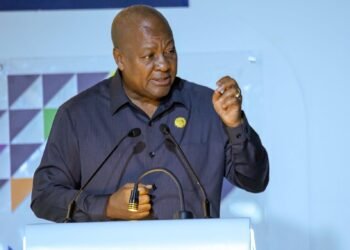













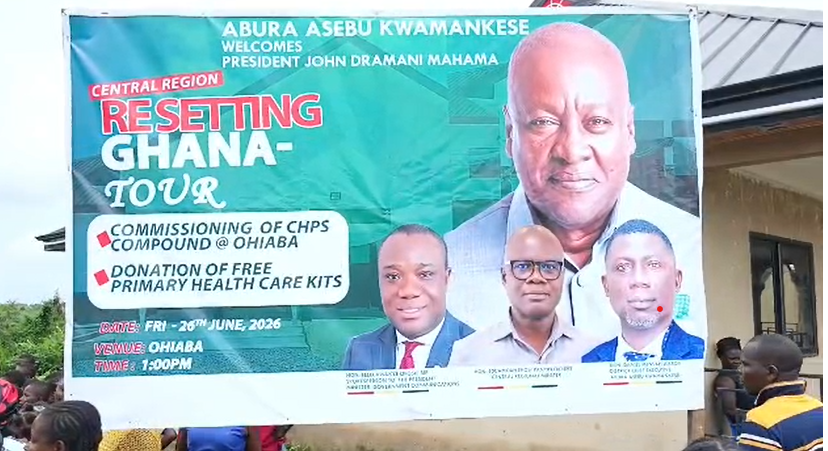
President John Dramani Mahama has called on Ghanaians to take full advantage of the government’s Free Primary Health Care programme, saying it is designed to improve access to quality healthcare and promote early detection and treatment of diseases.
He made the appeal during an inspection of the Free Primary Health Care Hospital project at Ohiaba in the Abura-Asebu-Kwamankese District of the Central Region.
President Mahama explained that the policy is aimed at ensuring accessible and affordable healthcare for all citizens, particularly those in underserved communities who often face challenges in accessing basic medical services.
According to him, the initiative will place strong emphasis on disease prevention through regular health screening, early diagnosis and prompt treatment, thereby reducing the burden of serious illnesses on families and the national health system.
He further announced that trained health workers would soon begin nationwide outreach programmes, including home visits to conduct free medical screenings, provide health education and administer essential medications where necessary.
The President assured that beneficiaries would not pay consultation or treatment fees, as these costs are fully covered under the policy, and encouraged citizens not to neglect routine medical check-ups.
President Mahama stressed that regular health screening remains key to detecting illnesses early and improving treatment outcomes.
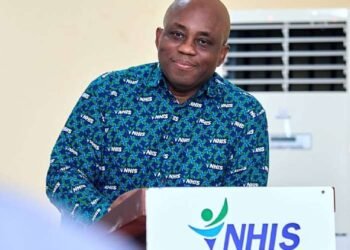
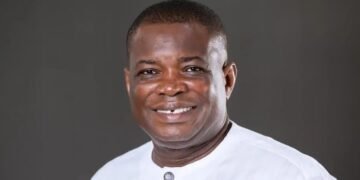
The Minister for Health, Kwabena Mintah Akandoh, commended the President for the initiative, describing it as a landmark intervention that will significantly strengthen healthcare delivery across the country.
He said the programme is anchored on three main pillars: Free Primary Health Care services, free National Health Insurance Scheme (NHIS) enrolment and renewal, and the Mahama Care programme.
According to him, the policy is a long-term strategy to improve Ghana’s healthcare system and ensure universal access to quality medical services.
He also encouraged citizens to enrol on or renew their NHIS membership and make regular medical check-ups part of their routine to support early detection and treatment of diseases.