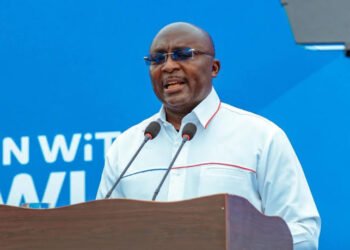




















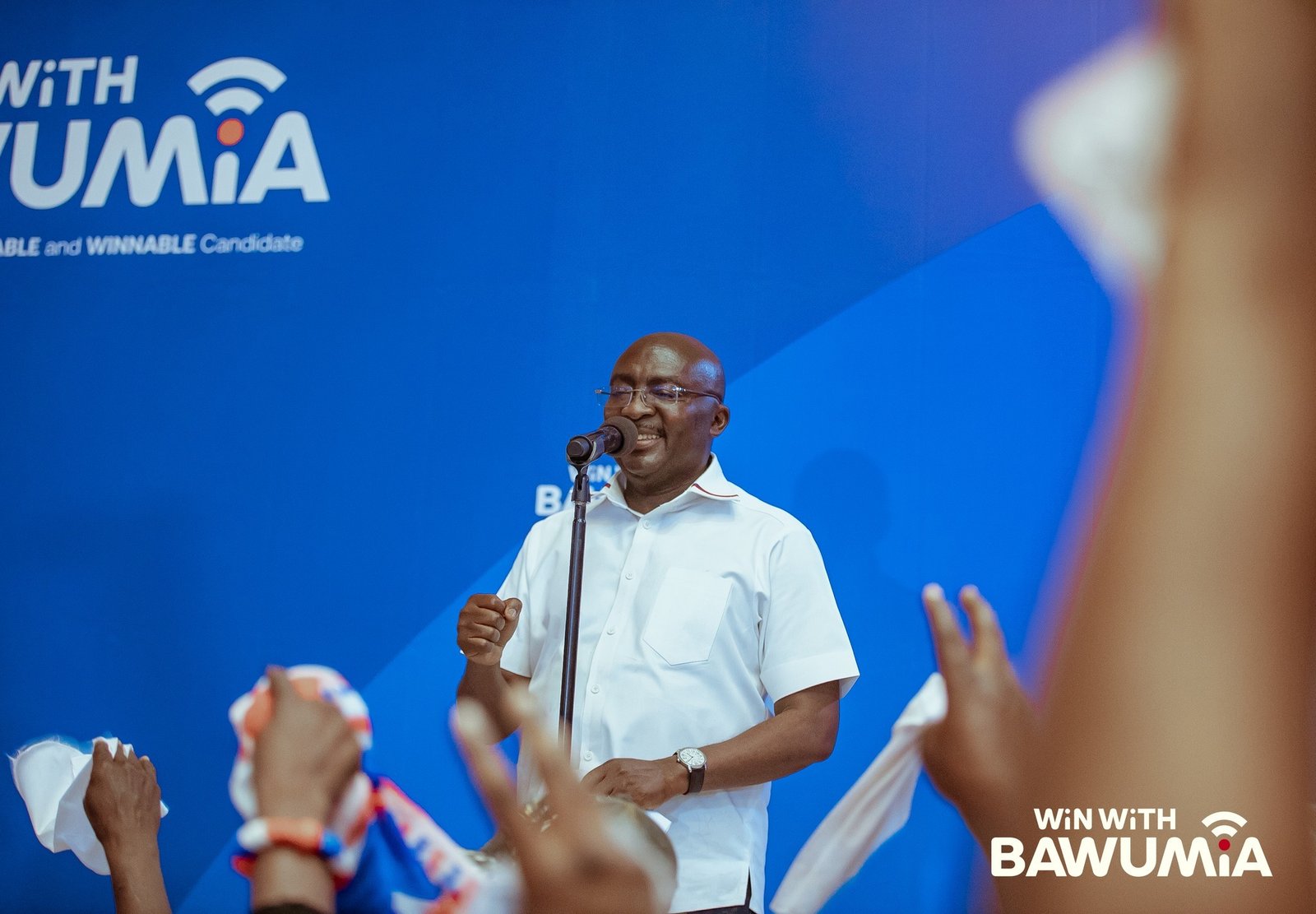
The flagbearer of the New Patriotic Party (NPP), Dr. Mahamudu Bawumia, has appealed to President John Dramani Mahama to withhold assent to the recently passed Tribunals Bill, 2026, warning that the legislation could undermine public confidence in Ghana’s justice system.
In a nationwide address on Sunday, July 19, Dr. Bawumia expressed concern over the passage of the bill, arguing that its implementation could have significant implications for the country’s democratic governance and judicial independence.
He called on President Mahama to suspend the assent process and instead initiate broad stakeholder consultations before any changes are made to Ghana’s tribunal system.
According to Dr. Bawumia, reforms to the country’s justice system should be built on national consensus involving key stakeholders, rather than relying solely on Parliament’s numerical majority.
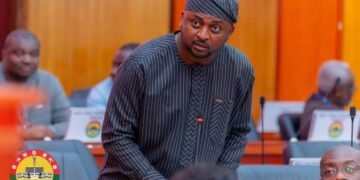
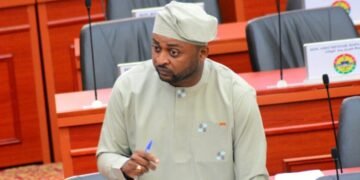
The Tribunals Bill was passed by Parliament after the Majority approved its final stages despite objections from the Minority caucus and concerns raised by organised labour and sections of the legal fraternity.
One of the concerns highlighted by critics of the bill relates to provisions that allow individuals who are not legally trained to serve on tribunal panels hearing certain criminal matters.
Dr. Bawumia cautioned that such provisions could weaken public confidence in the administration of justice and recalled concerns surrounding the operation of tribunals during earlier periods of Ghana’s political history.
He also referenced recommendations from previous constitutional review processes, including those of the Constitutional Review Committee chaired by Professor H. Kwasi Prempeh, which proposed reforms to Ghana’s tribunal system.
Rather than creating what he described as a parallel justice system, the former Vice President proposed strengthening the existing judiciary through increased investment in court infrastructure, the appointment of more judges and the digitalisation of judicial processes to improve efficiency.
Dr. Bawumia further urged President Mahama to use his constitutional authority to promote dialogue through the Council of State before making a final decision on the bill.
He called for a national consultative process involving the Ghana Bar Association, the Judiciary, organised labour, civil society organisations, legal practitioners and other stakeholders to build consensus on reforms to Ghana’s justice system.