






















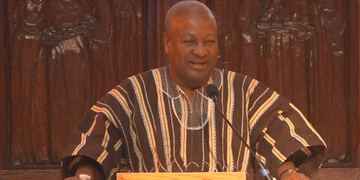




The Minority in Parliament has called on President John Dramani Mahama to direct the Attorney General and Minister for Justice, Dr. Dominic Ayine, to initiate processes to repeal Sections 207 and 208 of the Criminal Offences Act, arguing that the provisions criminalise free speech and threaten democratic expression.
According to the Minority, the continued existence of the laws, which deal with offensive conduct and the publication of insulting or offensive material likely to breach the peace, undermines Ghana’s democratic credentials and freedom of expression.
The call follows the imprisonment of TikToker Camila Alhassan over comments deemed insulting to President Mahama and others, a development the Minority says has heightened concerns about the criminalisation of speech in the country.
Addressing media in Parliament on Friday, July 17, Minority Leader Alexander Afenyo-Markin urged President Mahama to emulate former President John Agyekum Kufuor, whose administration repealed the Criminal Libel Law in 2001 to expand media freedoms and strengthen democratic governance.
According to Afenyo-Markin, the incarceration of the TikToker sends a worrying signal to Ghanaians about the consequences of expressing opinions, particularly on social media platforms.
He described the conviction as a “warning shot” to every Ghanaian with access to a smartphone and accused the government of creating an atmosphere that could stifle free expression.
The Minority Leader further argued that the Mahama administration must take steps to ensure that citizens are not criminally punished for speech and opinions, even when such views are offensive or unpopular.
He disclosed that the Minority is considering introducing a private member’s bill in Parliament to repeal the provisions if government fails to act.
Sections 207 and 208 of the Criminal Offences Act deal with offensive conduct conducive to breaches of the peace and the use of insulting or offensive language that may provoke public disorder. Critics have long argued that the provisions are overly broad and susceptible to abuse, while supporters maintain they are necessary to preserve public order.