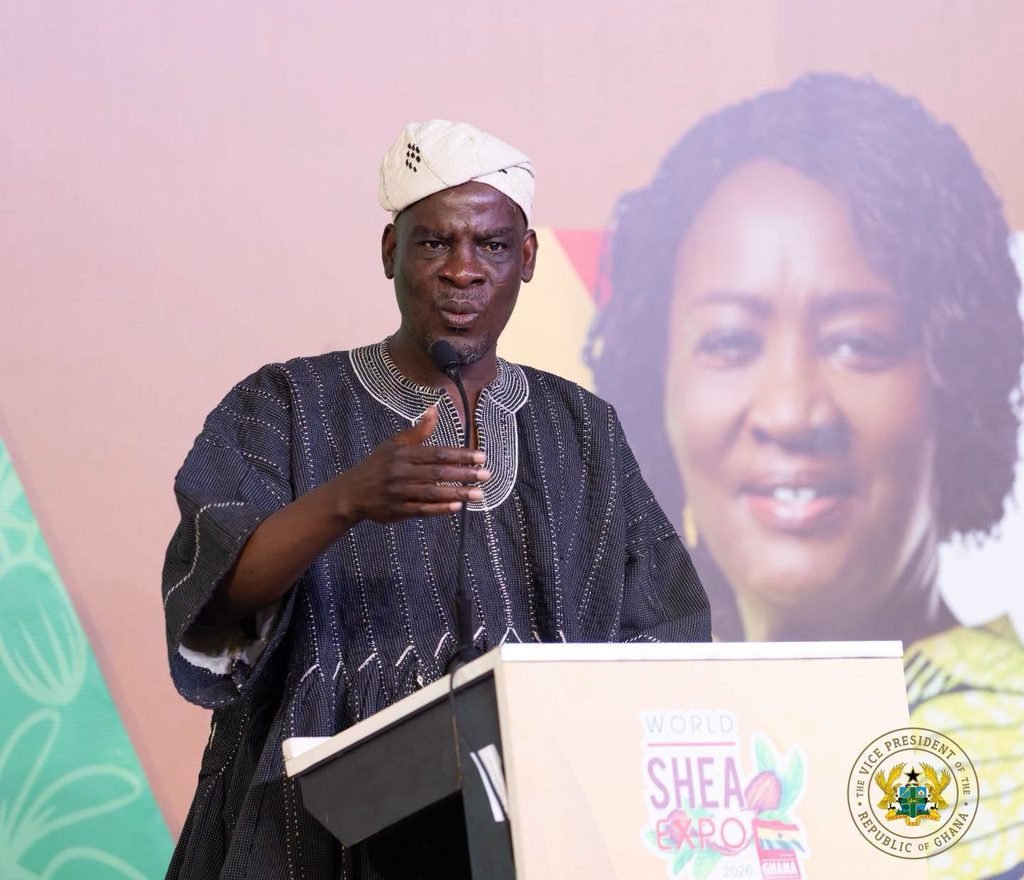


















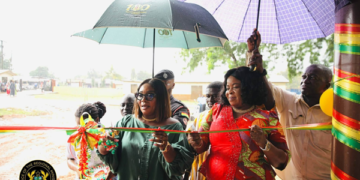






Vice President Professor Jane Naana Opoku-Agyemang has called for more investment in Ghana’s shea industry to help women earn more from the sector. She made the call at the World Shea Expo in Tamale.
Professor Opoku-Agyemang said Ghana must move beyond the production of raw shea nuts. She wants more processing, innovation and business activity in shea-producing communities. Shea is often called “women’s gold” because women play a major role in collecting and processing the nuts.
However, the Vice President said women must gain more from the industry. “If that description is to be truly meaningful, the women at the heart of the industry must receive a fairer share of the value it creates,” she said.
Professor Opoku-Agyemang said women need better access to finance, technology and markets. She also wants more women to own businesses across the shea value chain. This includes processing, manufacturing and branding.

According to the Ghana News Agency (GNA), more than one million women and young people are involved in Ghana’s shea value chain.
Ghana produces between 130,000 and 150,000 metric tonnes of shea nuts each year. The sector is valued at about $350 million, according to GNA.
The country also has the potential to increase annual production to 400,000 metric tonnes. More investment in processing, harvesting, storage and logistics could help achieve this.
Finance remains a major part of the Vice President’s proposal. Professor Opoku-Agyemang highlighted the proposed Women’s Development Bank as one way to improve access to finance for women entrepreneurs.
She said women do not always need large loans to grow their businesses. “Many women are not asking for extraordinary sums; they need accessible, appropriate financing that lets them grow the businesses they already understand and sustain,” she said.
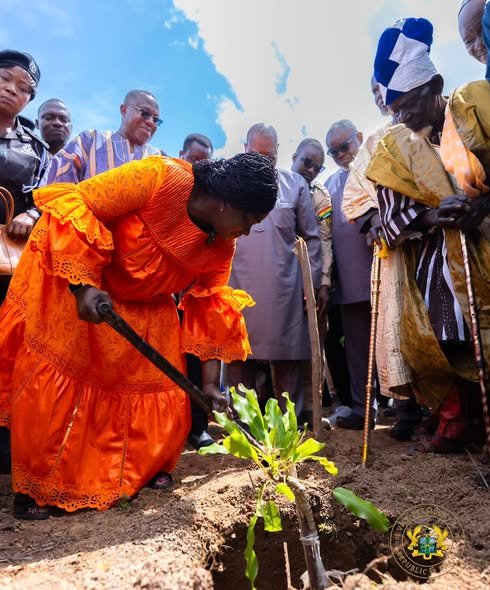
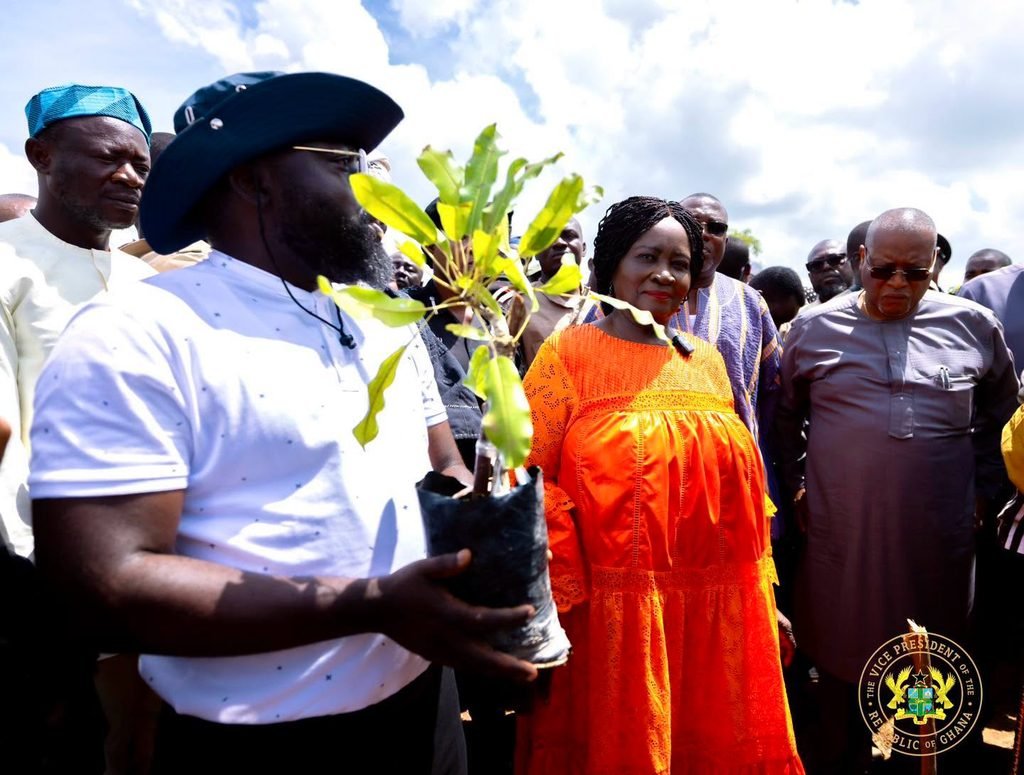
The Vice President also called for more investment in research. During a visit to a demonstration farm in the Futa Community, she joined the symbolic planting of specially selected shea seedlings. The planting highlighted research into new shea varieties. These varieties could help improve production and create new opportunities in the industry.

Professor Opoku-Agyemang also called for closer cooperation between universities, research institutions, farmers and businesses. She said stronger partnerships could improve productivity and help develop new shea products.
The partnerships could also create opportunities for young people. “With the right investment, research and financing, Ghana’s shea belt can become a stronger centre for processing, innovation and commerce,” she said.
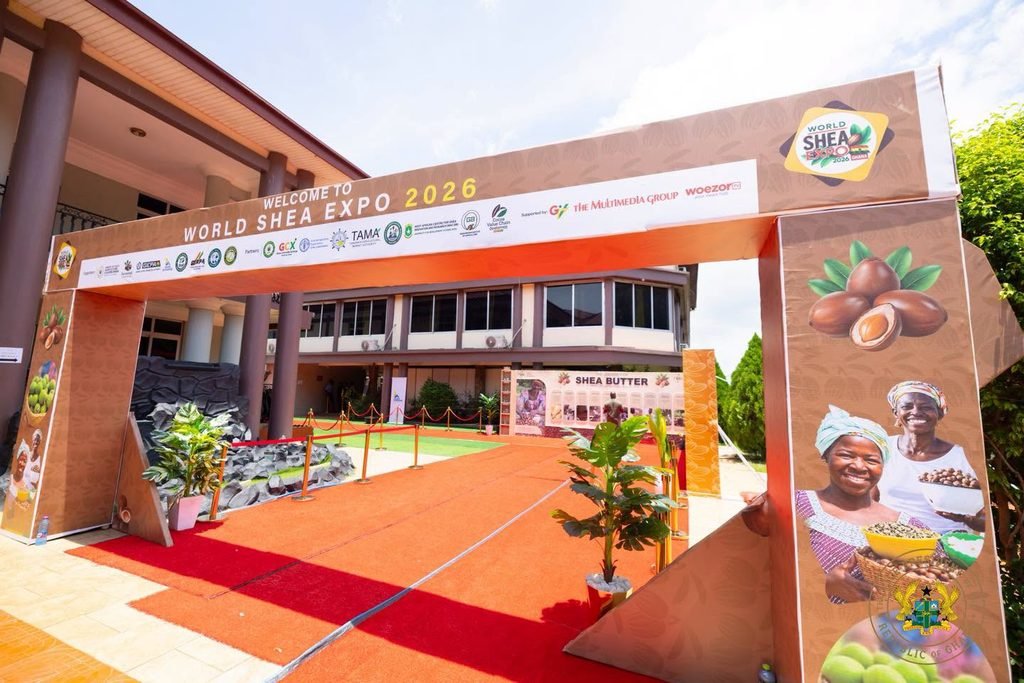
The World Shea Expo is being held under the theme, “From Local Commodity to Global Brand: Accelerating Women and Youth-Led Value Addition in Shea.”
The three-day event brings together shea producers, processors, exporters, investors, researchers and international buyers. It is focused on investment, technology, processing, branding and access to new markets.

The Ghana News Agency reported that the expo will also provide opportunities for business-to-business connections and investment across the shea sector. For Ghana’s shea communities, the focus is now shifting from producing raw shea to creating more value from the resource.
Professor Opoku-Agyemang’s message is that women and local communities should have a greater role in that process.