



















The government says it is shifting its attention from economic recovery to long-term national development, with plans to finance permanent flood control projects while advancing a new phase of economic reforms aimed at sustaining growth.
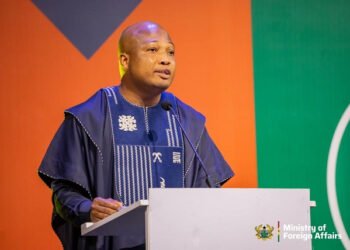
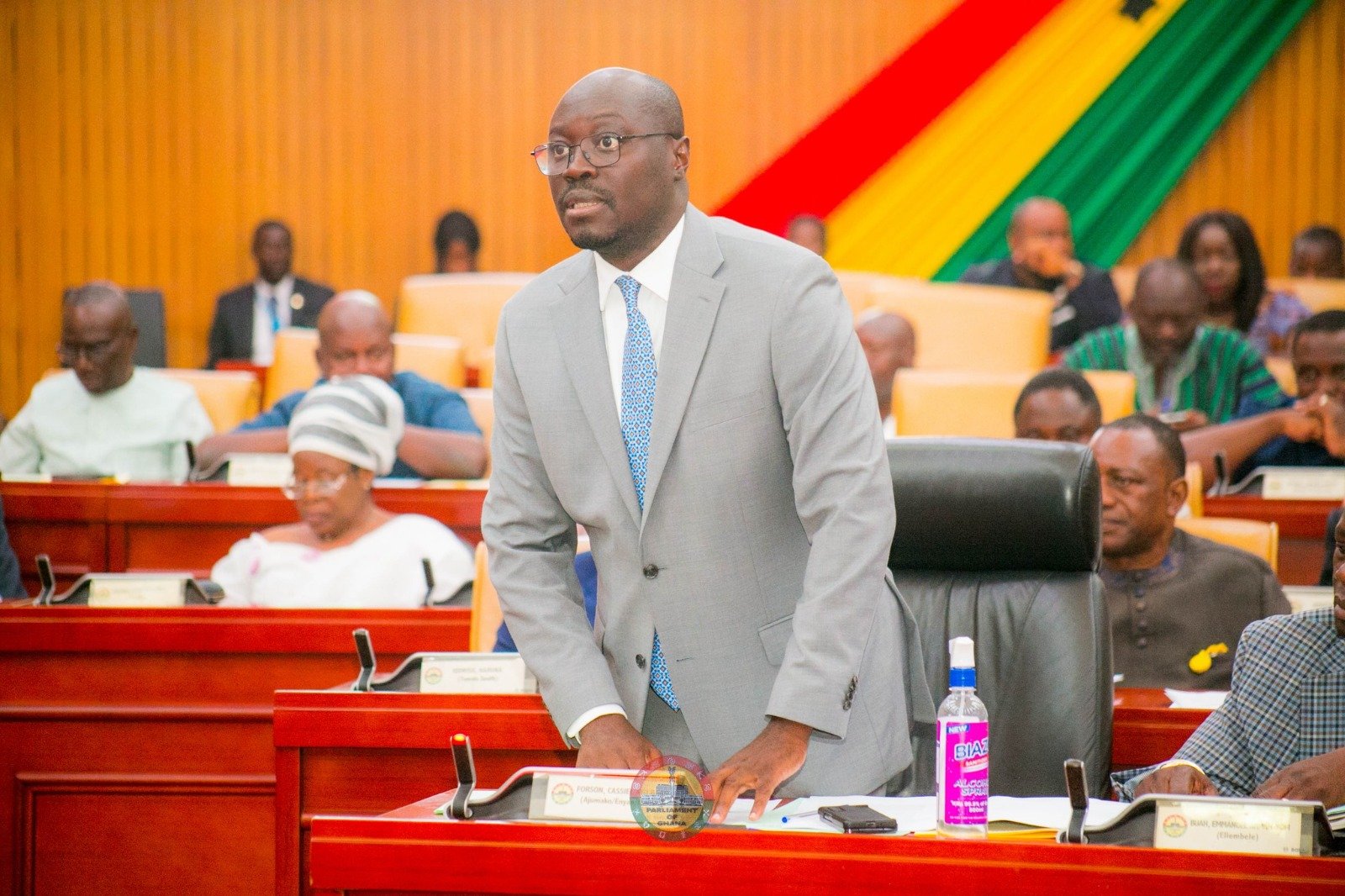
Presenting the 2026 Mid-Year Budget Review in Parliament on Thursday, Finance Minister Dr Cassiel Ato Forson said recent improvements in Ghana’s economy had created the foundation for government to begin addressing major infrastructure and development challenges that have persisted for years.
Among the priorities, he announced that the 2027 national budget will provide funding for a comprehensive strategy to tackle flooding in Accra and other flood-prone parts of the country.
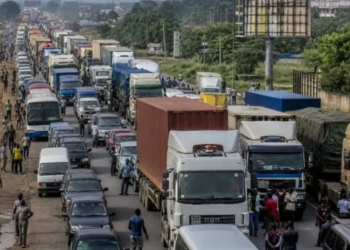
The announcement follows the devastating June 29 floods, which left several people dead, displaced families and destroyed homes, businesses and public infrastructure after hours of heavy rainfall.
According to Dr Forson, while emergency relief was provided immediately after the disaster, government is now focused on implementing a lasting solution.
“The President has directed the Ministry of Works, Housing and Water Resources to develop a comprehensive and permanent solution to flooding in Accra and other flood prone areas across the country. The funding for the implementation of this permanent solution will be provided in the 2027 Budget and the Medium Term.”
The Finance Minister linked the planned investment to what he described as improving economic conditions, insisting the country has regained stability after years of financial difficulties.
“Under the leadership of His Excellency President John Dramani Mahama, Ghana is not going back. Ghana is moving forward.”
He said falling inflation, lower borrowing costs and a more stable cedi were beginning to ease pressure on households and businesses, adding that government intends to protect those gains through continued fiscal discipline.
“Purchasing power has improved because inflation has fallen. To the entrepreneur who can now borrow at lower interest rates to expand their businesses and to the worker whose income now stretches further because the cedi has stabilised.”
Dr Forson acknowledged that rebuilding the economy had required significant sacrifices but maintained that the difficult measures had positioned Ghana for stronger and more sustainable growth.
He also announced that Ghana is awaiting approval of the final review of its International Monetary Fund (IMF) Extended Credit Facility programme next week before transitioning to a 36-month Policy Coordination Instrument (PCI).
The Finance Minister said the new arrangement would focus on maintaining macroeconomic stability, strengthening debt sustainability, improving transparency and supporting broad-based economic growth.
“The PCI will anchor our next phase of reforms, strengthening macroeconomic resilience, support broad-based growth, and signal our unwavering commitment to sound and disciplined macroeconomic policy,” he said.
He said government remains committed to preserving the country’s economic gains while creating room to finance critical projects that improve livelihoods across the country.