























The Ministry of Youth Development and Empowerment has launched the maiden National Youth Forum, creating a direct platform for young Ghanaians to voice their concerns, share ideas and make suggestions on policies and programmes affecting their lives and future.
The forum, held on Wednesday, August 19, 2026, at the Kofi Ohene-Konadu Auditorium of the University of Professional Studies, Accra (UPSA), brought together young people and representatives of key institutions responsible for youth development, employment, entrepreneurship and national service.
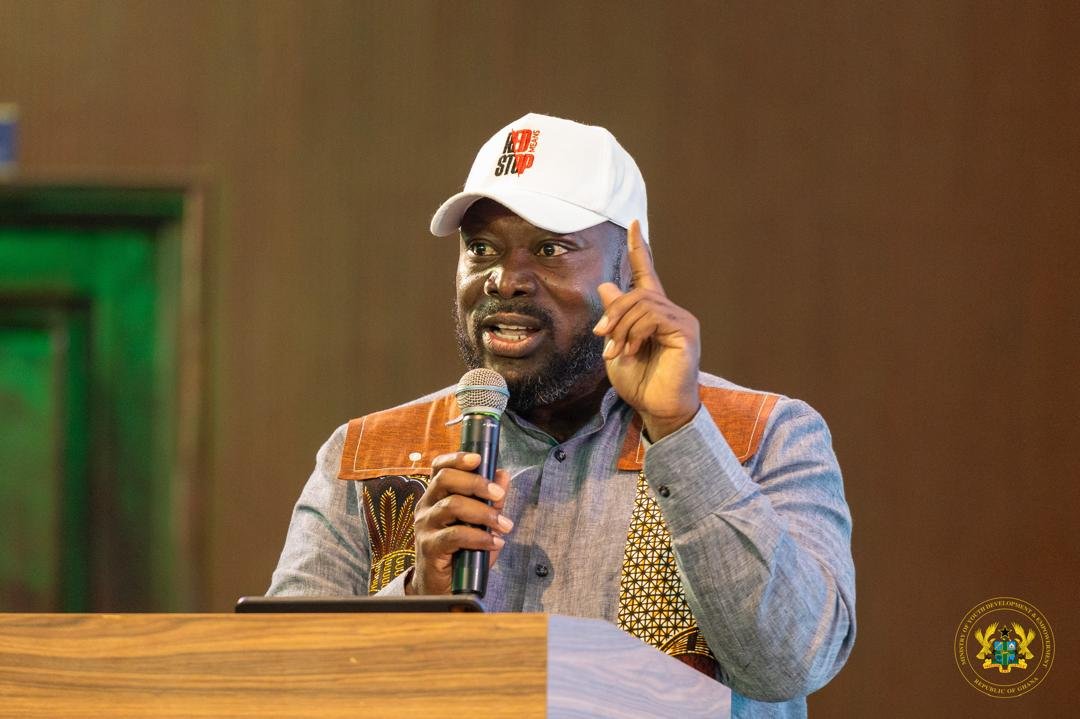
The forum was spearheaded by the Minister for Youth Development and Empowerment, George Opare Addo, popularly known as Pablo, under the theme, “A Sound Youth, A Sound Nation: Your Voice. Your Future. Our Ghana.”
Unlike conventional youth programmes where government officials largely present existing policies, the maiden forum created an opportunity for young people to question policymakers, raise concerns and propose practical solutions to challenges confronting them.
Addressing the gathering, Mr. Opare Addo said the government was particularly interested in hearing directly from young people on issues including employment, national service, housing, salaries, access to land and entrepreneurship.
A key issue he raised was the need for more national service personnel to be posted to the private sector, which he said could improve their skills, experience and chances of securing permanent employment.
“So we are pleading with you. We want to post more of you to the private sector.”
Mr. Opare Addo said government research indicated that young people who gain private-sector experience after school tend to transition into employment faster.
“The other data suggests and shows that at the private sector, you gain more skills and more experience.”
He also disclosed plans for a new post-service programme involving national service and the intergovernmental organisation BRICS, under which some young people would be placed with private organisations after completing national service.
“We are also rolling out a new programme between national service and the intergovernmental organisation called BRICS, where we will post after service some of you to some of these private organisations.”

He said the participating organisations would sustain beneficiaries for a period while helping them transition into employment.
“We will post you while they sustain you for a year or two, and then they help you with the private sector. They retain about 60% of all those of you who will be posted there.”
The Minister also responded to concerns over access to land for youth enterprises and training programmes, indicating that the National Youth Authority (NYA) had land that could potentially support such initiatives.
He said the NYA had close to 17 acres of land and promised to engage the Authority and traditional authorities to explore ways of making the resource available for youth development.
The Chief Executive Officer of the National Youth Authority, Osman Ayariga, also participated in the engagement, reinforcing the Authority’s role in connecting young people to opportunities and ensuring their concerns feed into national youth development efforts.
His participation, alongside the heads of other youth-focused institutions, gave participants the opportunity to engage directly with agencies responsible for implementing programmes in employment, entrepreneurship, national service and youth development.
The Chief Executive Officer of the Youth Employment Agency (YEA), Malik Basintale, told the forum that the agency had set a target of 20,000 beneficiaries and had so far recruited about 19,000 young people through various employment interventions.
He said the beneficiaries were being engaged across programmes including skills training, health service assistants, prison service assistants, community police assistants and other initiatives.
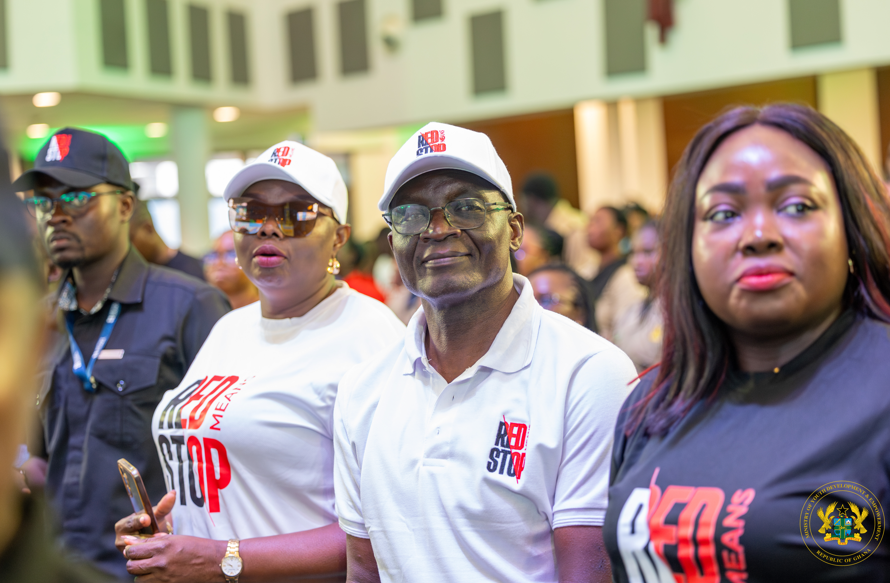
Mr. Basintale said the figures reflected the government’s efforts to create practical employment opportunities for young people, while acknowledging the need to expand such interventions.
The Chief Executive Officer of the National Entrepreneurship and Innovation Programme (NEIP), Eric Adjei, also highlighted entrepreneurship as a major pathway to youth employment.
He disclosed that more than 100,000 people applied for the Adwumawura programme, with NEIP training 10,857 beneficiaries against a manifesto target of 10,000.

He said the programme eventually reached more than 30,600 beneficiaries, with a second cohort expected to commence soon.
Mr. Adjei further announced that more than 10,000 people had applied for the SEED programme, which is designed to provide students with entrepreneurship training, mentorship and funding opportunities.
The Chief Executive Officer of the National Service Authority (NSA), Ruth Dela Seddoh, said the authority was transforming national service from a mandatory placement into a pathway for skills development, leadership and employment.
“Deployment for employment. National service must not be a waiting room. It must be a large pipeline where young people acquire experience, build their confidence, and prepare for sustainable livelihoods.”

She said measures to eliminate ghost names had reduced the national service payroll budget from more than GH¢1.4 billion to GH¢700 million, while stressing that the savings were aimed at protecting public resources and improving accountability.
Ms. Seddoh also announced a target of placing 60% of national service personnel in the private sector and 40% in the public sector, in line with efforts to expand employment opportunities beyond the public service.
She also encouraged young people to explore opportunities in agribusiness, where the NSA provides additional support and incentives for selected personnel.
The forum also featured a strong warning from the Director-General of the Narcotics Control Commission (NACOC), Mantey, who urged young people to stay away from illicit drugs and resist peer pressure and social media influences that encourage experimentation.
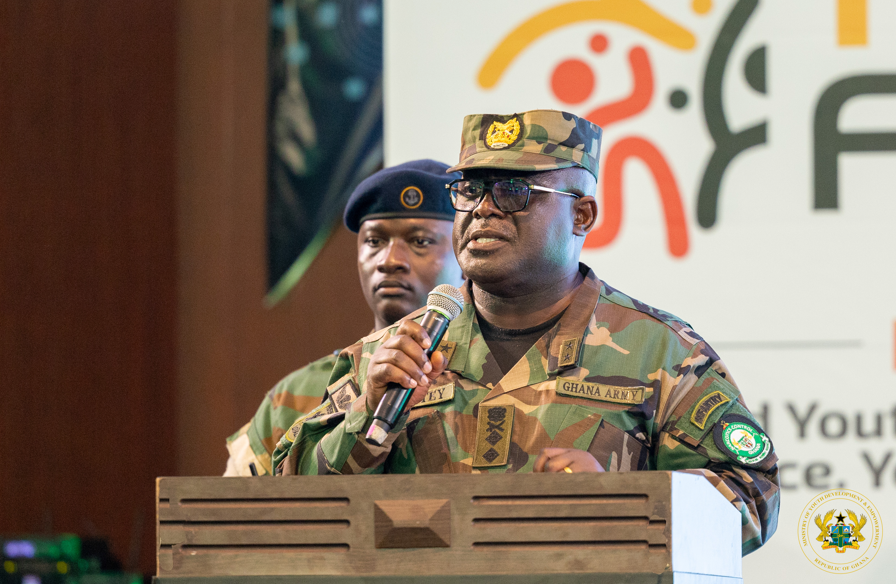
He stressed that NACOC’s mandate extends beyond arrests and seizures to include prevention, treatment and recovery, and encouraged young people struggling with drug abuse to seek help without fear or stigma.
The maiden National Youth Forum therefore served not only as a showcase of government programmes but as a platform for direct engagement between young people and the institutions responsible for addressing their concerns.

Participants raised issues around employment, salaries, housing, access to land, entrepreneurship, national service and the rising cost of living, while government officials and agency heads responded and outlined existing and planned interventions.
For the Ministry of Youth Development and Empowerment, the forum represents a deliberate effort to move youth engagement beyond speeches and policy announcements to a more participatory approach in which young people can influence the policies and programmes designed for them.
Mr. Opare Addo said the government’s youth agenda must be built around listening to young people and creating practical pathways for them to acquire skills, find decent work, start businesses and contribute meaningfully to national development following the launch of the forum.