


























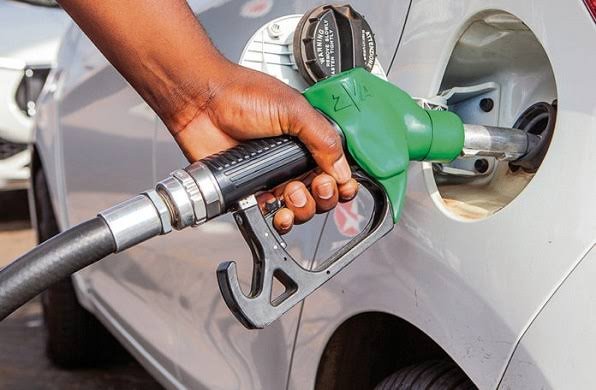
Consumers could face higher fuel prices from Thursday, October 1, 2026, with the Chamber of Petroleum Consumers (COPEC) projecting significant increases in petrol, diesel and liquefied petroleum gas (LPG) prices.
According to COPEC’s latest market analysis, petrol is expected to increase by 5.21%, while diesel could record a much steeper 22.91% rise.
LPG is also projected to sell at GH¢15.68 per kilogramme in the first pricing window of October.
COPEC attributed the projected increases to rising international petroleum prices and a marginal depreciation of the Ghana cedi against the US dollar.
“Global Crude price went up significantly from 124/barrel whilst the Cedi witnessed a marginal depreciation against the US dollar to close trading from an average interbank rate of 1:GHS11.6211(-1.20%) as of the close of window,” COPEC said.
For petrol, COPEC projects a retail price of GH¢17.78 per litre, representing a 5.21% increase from the current average price of GH¢16.90.
It expects petrol to sell between GH¢16.89 and GH¢18.67 per litre, within a ±5% range of its projection.
Diesel is expected to record the biggest increase, with COPEC projecting a price of GH¢22.42 per litre, up from the current average of GH¢18.24.
The Chamber attributed the expected increase to a rise in the international free-on-board price of diesel and the depreciation of the cedi.
For LPG, COPEC projects a price of GH¢15.68 per kilogramme, with the expected retail range falling between GH¢14.89 and GH¢16.48 per kilogramme.
COPEC also called on government to accelerate the expansion of the Tema Oil Refinery (TOR).
“Most importantly, government should make it a priority to speedily facilitate the expansion works at the Tema Oil Refinery (TOR) to move from the current 45,000 barrels per day refining capacity to 100,000 barrels per day,” the Chamber said.
It argued that expanding TOR would help reduce Ghana’s reliance on imported finished petroleum products.
COPEC also appealed to oil marketing companies (OMCs) to absorb part of their margins to cushion consumers against the anticipated increases.
“Again, COPEC would like to appeal to OMCs will to cushion consumers by shelving some of their margins in order not to overburden consumers in the face of these expected steep prices,” it said.
Fuel prices in Ghana are adjusted periodically based on changes in international petroleum prices, the exchange rate and other market factors.
COPEC regularly publishes price projections ahead of pricing windows to provide consumers and industry players with an indication of possible movements at the pumps.