


























Government says it is working to transform Ghana into the leading pharmaceutical manufacturing hub in West Africa through the 24-Hour Economy Programme, improved industrial infrastructure and a new incentive framework aimed at boosting local production.
Presidential Adviser on the 24-Hour Economy and Accelerated Export Development, Augustus “Goosie” Tanoh, said pharmaceutical manufacturing has been identified as a strategic national priority due to its role in healthcare security, industrialisation, job creation and export development.
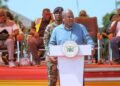
Addressing the Pharmaceutical Manufacturers Association of Ghana (PMAG) Day in Accra on Tuesday, July 28, 2026, Mr. Tanoh said Ghana must move beyond being a major importer of medicines and position itself as a producer of quality pharmaceutical products for the ECOWAS market and beyond.
He commended pharmaceutical companies operating in Ghana for investing in local production, creating jobs and supporting access to essential medicines despite challenges within the sector.
According to him, the COVID-19 pandemic exposed the risks associated with excessive dependence on imported medicines and highlighted the need for countries to develop strong pharmaceutical manufacturing capacity.
“The pharmaceutical industry is a strategic national infrastructure. It is central to health security, industrialisation, technology transfer, skilled employment, competitiveness and export resilience,” he said.
Mr. Tanoh said the recently approved Ghana Pharmaceutical Manufacturing Policy provides a clear roadmap to position the country as a pharmaceutical production centre in West Africa.
He identified Ghana’s advantages, including a World Health Organization Maturity Level 3 (ML3) regulatory authority, political stability, access to ECOWAS and AfCFTA markets, experienced manufacturers, universities, research institutions and a growing pool of scientists, pharmacists and engineers.
However, he noted that Ghana must build a complete pharmaceutical ecosystem rather than focus only on medicine production.
He said government’s plans include developing capacity in areas such as Active Pharmaceutical Ingredients (APIs), pharmaceutical-grade raw materials, packaging materials, quality laboratories, cold-chain logistics, regulatory science, digital manufacturing, research and innovation.
Mr. Tanoh highlighted the development of the Legon Pharmaceutical Innovation Park (LePIP) as a key intervention aimed at removing structural barriers that have constrained the growth of the industry.
He said the integrated pharmaceutical manufacturing and innovation ecosystem will provide world-class industrial facilities, shared utilities, quality control laboratories, logistics services, regulatory support, industry-academia collaboration and skills development.
According to him, LePIP is expected to reduce production costs, lower investment requirements and improve the competitiveness of Ghanaian pharmaceutical companies.
He invited PMAG members to become key partners in the initiative.
Mr. Tanoh explained that government’s proposed 24-Hour Economy incentive regime would go beyond tax reductions and focus on reducing the broader costs associated with manufacturing.
He said the approach would address issues such as land, construction, electricity, compliance and financing, which significantly affect pharmaceutical production costs.
The proposed incentives include non-fiscal measures such as access to industrial land, shared infrastructure at LePIP, competitively priced electricity and streamlined regulatory approvals.
He said the pharmaceutical park is expected to benefit from power generated through the 1.5GW Buipe Solar Electricity Generation Project, which could provide electricity at between US$0.06 and US$0.09 per kilowatt-hour.
Mr. Tanoh added that government was also considering fiscal measures under the proposed 24-Hour Incentives Framework, including exemptions on import duties, VAT and applicable levies on qualifying machinery and critical inputs not produced locally.
Other proposals include 100 per cent first-year depreciation on eligible manufacturing equipment and reduced corporate income tax rates for qualifying companies, particularly those with strong export performance.
He stressed that the incentives would be performance-based, with beneficiaries required to sign agreements outlining targets for investment, production, employment, exports and operational expansion.
Companies that fail to meet agreed targets could lose access to the incentives, he said
Presidential Adviser challenged pharmaceutical manufacturers to expand their ambitions beyond Ghana’s domestic market by investing in export-oriented production, World Health Organization prequalification, research and development, active pharmaceutical ingreds and innovation.
He said the growth of Africa’s pharmaceutical market and opportunities created by the African Continental Free Trade Area (AfCFTA) present a major opportunity for Ghanaian companies to become leading suppliers of medicines across the continent.
Mr. Tanoh said government, industry, universities, regulators and development partners must work together to build a globally competitive pharmaceutical ecosystem.
He expressed confidence that the combination of the Pharmaceutical Manufacturing Policy, the 24-Hour Economy Programme, LePIP and proposed incentives would help position Ghana as a pharmaceutical manufacturing hub capable of serving both local and international markets.