
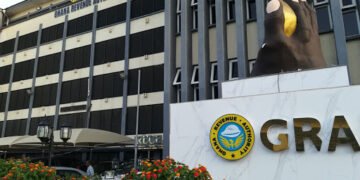













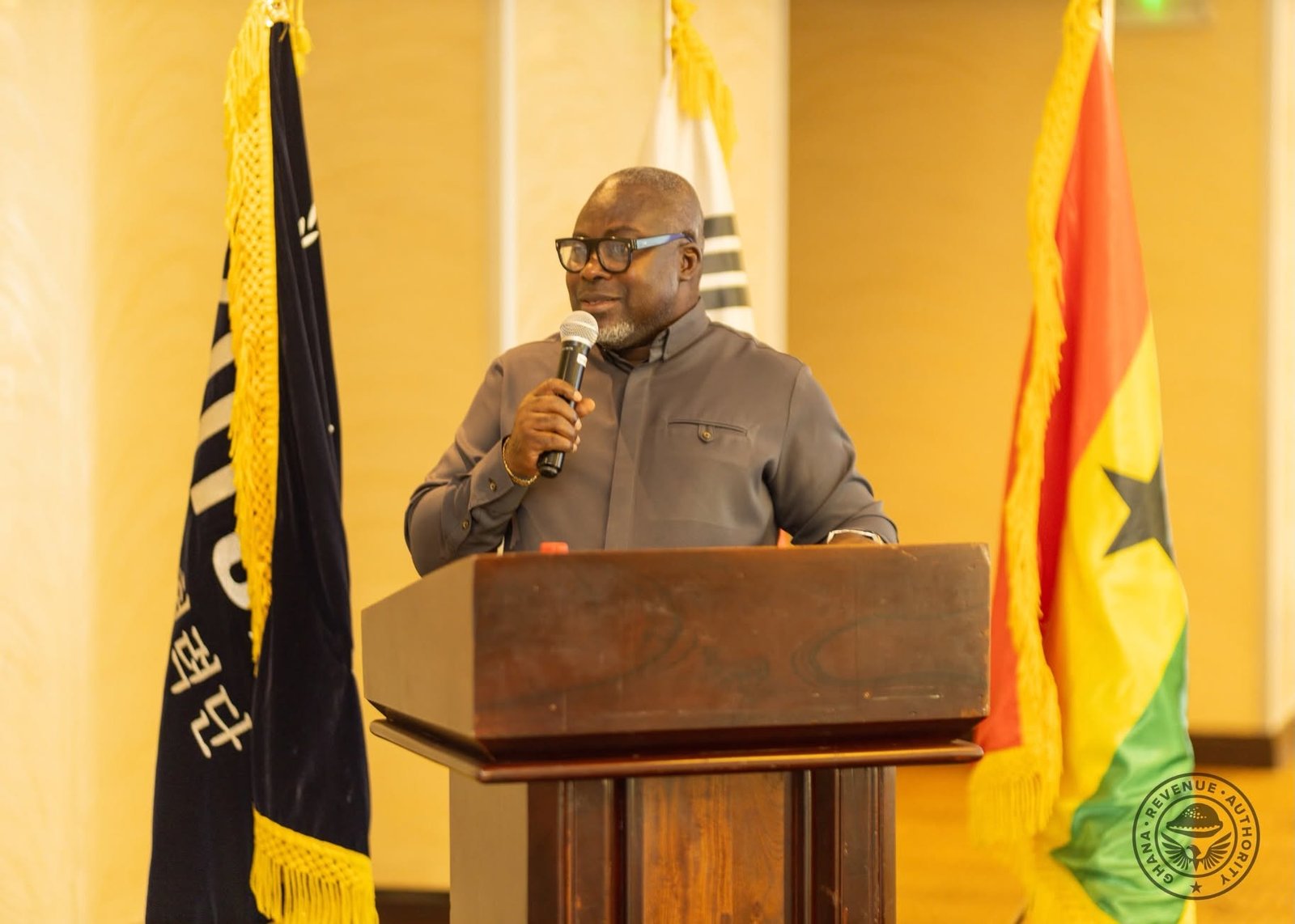
Serious concerns and allegations of systemic revenue leakage, procedural breaches, and corrupt practices have emerged regarding the management of the Ghana Revenue Authority (GRA) under the leadership of Commissioner-General Anthony Kwasi Sarpong. Stakeholders and anti-corruption advocates are calling on President John Dramani Mahama and the Chief of Staff to take immediate investigative action to protect state revenues and restore public trust in the institution.
At the center of the allegations is an auction scheme involving forty (40) containers of imported goods manifested as “in-transit” cargo. Standard customs procedures require such goods to undergo detailed inspection and transfer to designated off-dock private terminals, such as Kilimanjaro, Overseas, Atlas, and Amari, which operate in conjunction with the main port. However, internal sources claim that leadership within the GRA intentionally frustrated these transfers, allowing the containers to remain at the port until they were classified as overstayed goods.
According to reports, fraudulent bills of lading were subsequently generated to allow specific, pre-arranged individuals with questionable credentials to claim ownership of the consignment. Rather than enforcing full tax liabilities on the 40 containers, senior GRA officials allegedly facilitated a rigged auction to these proxy owners at drastically reduced prices. This process reportedly resulted in the evasion of millions of Ghana Cedis in vital state taxes.
Critics contend that the scheme was carried out with the direct involvement of key port officials, including Tema Sector Commander, Mr. Nelson, who is alleged to have cooperated in exerting pressure on subordinate customs officers to approve the heavily discounted auctions. Observers suggest that the push to extend Mr. Nelson’s stay at Tema Port beyond his scheduled retirement date on August 3, 2026, is an effort by leadership to maintain operational control over port procedures.
Further allegations extend beyond port auctions to the downstream petroleum sector. Reports indicate that the Commissioner-General allegedly granted self-recognizance status to six Oil Marketing Companies (OMCs), enabling them to lift petroleum products without adhering to mandatory cash-and-carry financial guarantees. These OMCs have since defaulted, leaving significant debts unpaid. Allegations suggest financial inducements took place to grant these exceptions, with internal text and audio communications cited as evidence.
Anti-corruption advocates emphasize that while frequent media engagements have presented an image of reform and performance at the GRA, actual operational practices show continuous revenue drain. Civil society groups argue that proving a commitment to transparency requires a comprehensive investigation into the customs and petroleum operations, as well as an immediate review of leadership at the Ghana Revenue Authority