




















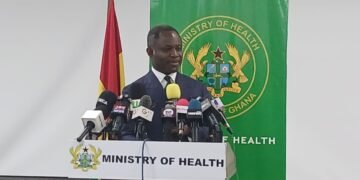




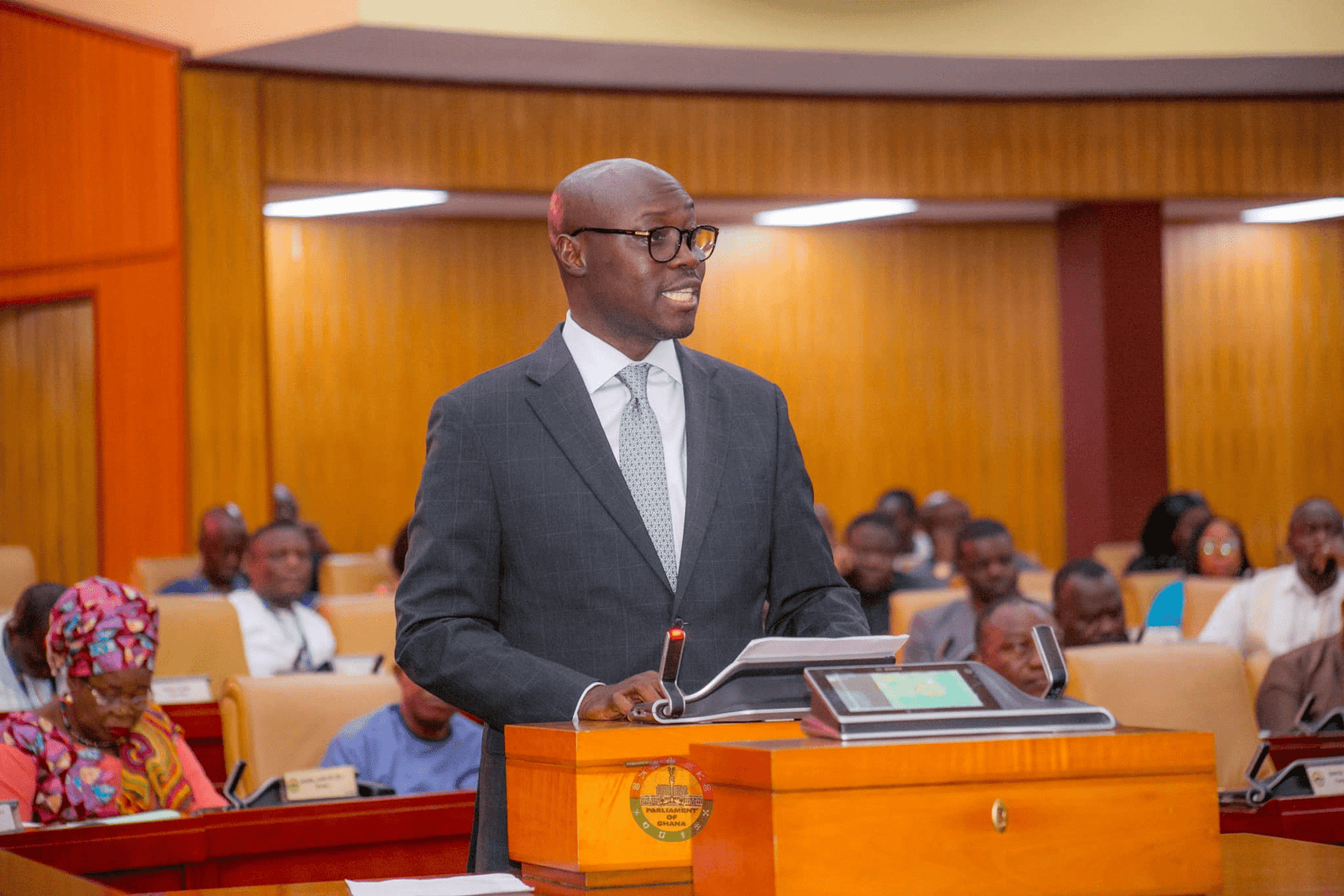
Finance Minister Dr Cassiel Ato Forson has defended the government’s tax reform strategy, arguing that Ghana can raise more domestic revenue through improved systems, stronger compliance and efficient administration rather than increasing the tax burden on citizens and businesses.
Presenting the 2026 Mid-Year Budget Review in Parliament on Thursday, July 23, Dr Forson said the government’s approach was focused on rebuilding confidence in the tax system, supporting businesses and improving revenue collection without introducing additional taxes.
He said recent reforms had shown that expanding the tax base and improving collection methods could deliver better results than simply raising tax rates.
“The lesson here is simple. Better policy, stronger compliance, and smarter administration will always deliver more sustainable revenue than higher taxes,” he stated.
As part of the reforms, the Finance Minister said government had removed several taxes it described as burdensome, including the Electronic Transfer Levy (E-Levy), Betting Tax, COVID-19 Health Recovery Levy, Emissions Tax, and VAT on motor insurance.
Dr Forson also highlighted changes made to the Value Added Tax (VAT) system, describing them as the first major review of the framework since 2015. According to him, the changes were designed to eliminate inefficiencies, improve compliance and provide businesses with more funds to invest and expand.
“Mr Speaker, for the first time since 2015, we undertook comprehensive VAT reforms, removing distortions, improving efficiency, and strengthening compliance,” he said.
The Minister further disclosed that reforms at the Customs Division, supported by artificial intelligence and digital technology, had improved revenue mobilisation by reducing leakages and strengthening enforcement.
“Since the introduction of the AI-powered customs reforms, monthly customs revenue has increased by approximately 17%, reflecting stronger compliance, more effective enforcement and significantly reduced leakages,” he told Parliament.
Dr Forson also announced the introduction of a sliding-scale royalty system for gold, which he said was intended to ensure Ghanaians benefit more fairly from the country’s natural resources.
He added that measures had been taken to prevent the misuse of the Tax Refund Account, ensuring that funds meant for legitimate tax refunds are used only for that purpose.
Despite the removal of several taxes, the Finance Minister said Ghana’s non-oil tax revenue increased from 12.6 per cent of GDP in 2024 to 13.1 per cent in 2025.
“Government collected more taxes in 2025 even after abolishing the nuisance taxes, including the E-Levy,” Dr Forson said.
He maintained that the figures demonstrate the impact of modernising tax administration and improving compliance rather than relying on higher tax rates to increase government revenue.