


















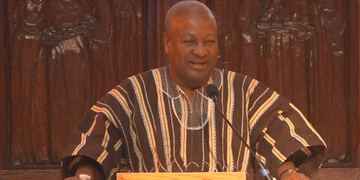




The Chief Executive Officer (CEO) of the National Petroleum Authority (NPA), Godwin Edudzi Tamakloe, says diesel could currently be selling at about GH¢28 per litre if the government had not intervened to cushion consumers against rising international petroleum prices.
According to Mr. Tamakloe, the government’s decision to remove GH¢2 per litre in regulatory margins on diesel has helped prevent the full increase in international prices from being passed on to motorists.
“Without the intervention from government, a litre of diesel should be selling within the region of GH¢28 per litre,” he said in an interview with Accra-based Citi FM.
He explained that international diesel prices had risen sharply since February 2026, placing significant pressure on domestic fuel prices.
Mr. Tamakloe said the price of a metric tonne of diesel had increased from $794 in February to $1,519, representing almost a doubling of the international price.
“A metric tonne of diesel, which used to cost $794 as of February 2026, today is costing $1,519 per tonne.
That’s almost twice the amount,” he said.
He said the government had absorbed part of the increase through the GH¢2-per-litre intervention rather than allowing the full cost to be reflected at fuel stations.
The NPA boss estimated that government interventions aimed at cushioning consumers from rising petroleum prices had so far amounted to nearly GH¢1 billion.
“We have done close to GH¢1 billion by way of intervention to push the impact, which otherwise would have come directly to the consumers of petroleum products,” he said.
He explained that the GH¢2-per-litre support effectively translates into GH¢20 in government support for a motorist who purchases 10 litres of diesel.
“Today, if you go out to the pump and buy 10 litres of diesel, what it means is that the Government of Ghana is directly putting 20 Ghana cedis in your pockets,” he said.
Mr. Tamakloe’s comments come amid renewed calls by transport operators for increases in fares, with transport unions citing rising fuel prices as one of the factors driving their demands.
He said the government’s intervention should be considered when assessing the effect of fuel prices on the operating costs of private transport operators.
The government has maintained the GH¢2-per-litre intervention on diesel as part of measures to cushion consumers against rising petroleum prices.
Mr. Tamakloe, however, noted that the international petroleum market remained volatile, meaning further changes in global prices could continue to influence fuel prices in Ghana.