
























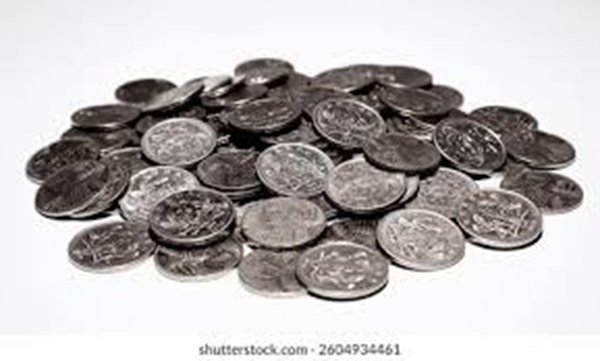
The Bank of Ghana (BoG) has warned traders, transport operators, and other business entities against the continued refusal to accept Ghana cedi coins in payment for goods and services, reminding the public that such coins remain legal tender.
The Bank expressed concern over the widespread rejection of the 1 pesewa, 5 pesewa, 10 pesewa, 20 pesewa, and 50 pesewa coins, as well as the GHS1 and GHS2 coins, by some members of the public.
In a notice issued by the central bank, it stated that all coins issued by the Bank of Ghana remain lawful currency and must be accepted in accordance with the Bank of Ghana Act, 2002 (Act 612), as amended, the Currency Act, 1964 (Act 242), and other applicable laws.
The latest directive follows an earlier notice issued on July 14, 2026, concerning the misuse, abuse, and illegal handling of Ghana cedi banknotes and coins.
While that notice focused on the physical misuse and defacement of currency, the new directive addresses the unlawful refusal to accept coins that are still in circulation.
The Bank of Ghana stressed that none of the existing coin denominations has been demonetised or withdrawn from circulation, and therefore remain valid for settling debts and conducting transactions across the country.
It cautioned that traders, transport operators, businesses, and individuals do not have the authority to reject coins based on personal preference, inconvenience, or the perception that some denominations have low value.
The central bank further warned that the refusal to accept legally issued Ghana cedi coins constitutes an offence punishable under the Currency Act, 1964 (Act 242), and persons found culpable could face applicable criminal sanctions.
The Bank urged the public to respect the integrity of Ghana’s currency and encouraged all businesses and individuals to accept coins as part of efforts to maintain confidence in the country’s monetary system.