
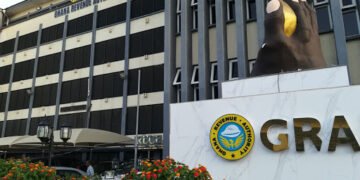
















The Commissioner-General of the Ghana Revenue Authority (GRA), Anthony Kwasi Sarpong, says ongoing tax and customs modernisation reforms are helping Ghana improve domestic revenue mobilisation without introducing new taxes or increasing existing tax rates.
According to Mr. Sarpong, the GRA has implemented a range of administrative and technological reforms to improve tax compliance, expand the tax base and enhance the efficiency of revenue collection.
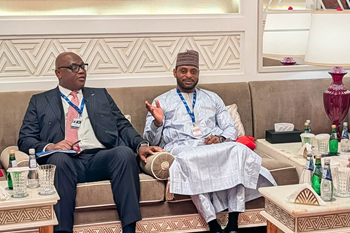
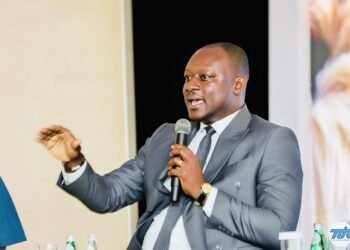
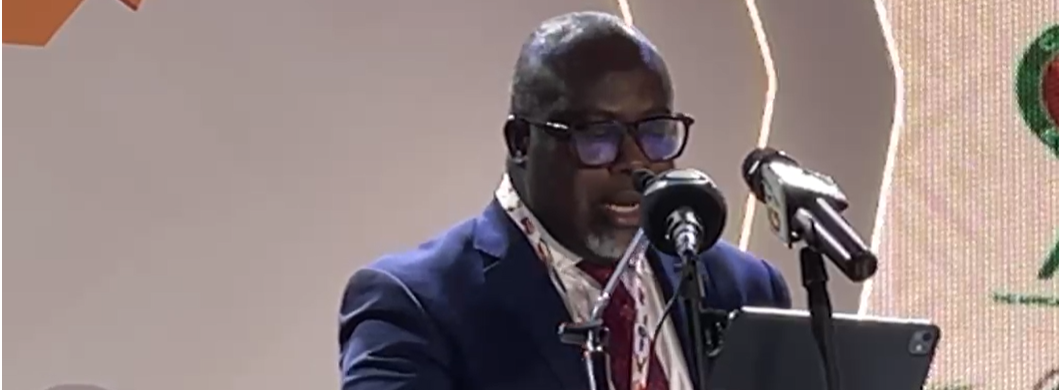
He made the disclosure while addressing participants at the 8th High-Level Policy Dialogue and 23rd General Assembly of the West African Tax Administration Forum (WATAF) in Accra.
The five-day event, hosted by the GRA from September 15 to 19, 2026, is being held under the theme: “Building Stronger Tax Administrations for Revenue Mobilisation and Sustainable Development.”
Mr. Sarpong said the GRA had deployed an integrated tax administration system to consolidate taxpayer information that was previously maintained across separate systems.
He said the Authority had also introduced a modified taxation scheme to bring large businesses operating within the informal sector into the tax net, while efforts were underway to automate Value Added Tax (VAT) collection.
On customs administration, the Commissioner-General said the GRA had introduced significant reforms in areas such as valuation, classification, examination and post-clearance controls.
He identified the application of artificial intelligence (AI) to customs classification and valuation as one of the key developments in the Authority’s modernisation programme.
According to him, the AI-powered system became operational in April 2026 and has since been associated with a significant increase in monthly customs revenue.
Mr. Sarpong said the development demonstrated how administrative reforms and technology could enhance domestic revenue mobilisation without necessarily imposing additional tax burdens on taxpayers.
He noted that the experience also underscored the importance of technology, professional administration and effective enforcement in improving tax compliance and revenue collection.
Call for regional cooperation
The Commissioner-General also called for stronger collaboration among tax administrations across West Africa to address emerging challenges to revenue mobilisation.
He urged tax authorities to deepen cooperation, embrace technological innovation and strengthen institutional capacity to effectively tackle issues including illicit financial flows, transfer pricing, the digital economy and the rapid transformation of cross-border trade.
Mr. Sarpong said the growing interconnectedness of economies meant that no tax administration, regardless of its resources and capabilities, could successfully modernise in isolation.
He therefore urged tax administrations across the region to strengthen the exchange of information and harmonise their approaches to prevent differences between jurisdictions from being exploited by individuals and businesses seeking to evade their tax obligations.