



























The Secretary-General of the Ghana Federation of Labour (GFL), Abraham Koomson, has cautioned that the government’s flagship 24-Hour Economy policy could fail to achieve its objectives if taxes, duties and levies on manufacturing inputs are not reviewed.
According to Mr. Koomson, workers initially welcomed the policy because it was expected to create a business-friendly environment that would attract investment, expand local manufacturing and generate sustainable employment.
Speaking on Ahotor FM, he said the implementation of the policy appears to be drifting away from its original purpose due to the continued imposition of taxes and levies that increase production costs for local manufacturers.
“The 24-Hour Economy, as workers understand it, is for government to create a favourable environment by reviewing taxes and levies to attract investors to establish factories, expand production and create employment opportunities,” he said.
Mr. Koomson argued that the high cost of manufacturing in Ghana is making locally produced goods less competitive, while cheaper imported products continue to dominate the domestic market.
He attributed the situation partly to lower production costs in countries such as China, which enable foreign manufacturers to export goods at more competitive prices.
According to him, the continued tax burden on manufacturers undermines the competitiveness of local industries and threatens the long-term success of the government’s industrialisation agenda.
The GFL Secretary-General also expressed disappointment over what he described as the government’s failure to engage the federation on the concerns of workers in the manufacturing sector.
He disclosed that the federation has made several attempts to initiate discussions with government officials but has yet to receive a positive response.
To press home its concerns, the GFL wrote to the Minister for Trade, Agribusiness and Industry on July 2, 2026, requesting an urgent meeting to discuss the impact of taxes and levies on manufacturing.
In the letter, signed by Mr. Koomson, the federation warned that the growing tax burden was threatening the viability of manufacturing businesses and putting thousands of jobs at risk.
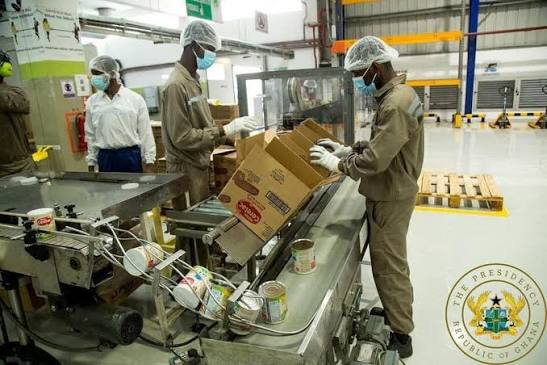
The GFL noted that its 16 affiliate unions represent workers in key manufacturing industries, including textiles, food and beverage production, and agro-processing.
The federation said the proposed meeting would provide an opportunity to discuss the challenges confronting the sector and explore measures to protect the productive capacity of local industries.
Although the Ministry of Trade, Agribusiness and Industry acknowledged receipt of the letter on July 8, 2026, Mr. Koomson said the federation is yet to receive an invitation for the requested engagement.
He urged the government to prioritise dialogue with organised labour and industry stakeholders to ensure the 24-Hour Economy policy delivers its intended benefits of increased investment, industrial growth and job creation