

























The Driver and Vehicle Licensing Authority (DVLA) has commenced a pilot of Radio Frequency Identification (RFID)-enabled number plates to strengthen vehicle security, identification and registration in Ghana.
The pilot, involving selected vehicles, forms part of the Authority’s efforts to test the new system ahead of its nationwide implementation.
“The pilot marks a significant step in the Authority’s efforts to introduce a more secure, technology-driven and tamper-resistant vehicle identification system,” the DVLA said in a statement.
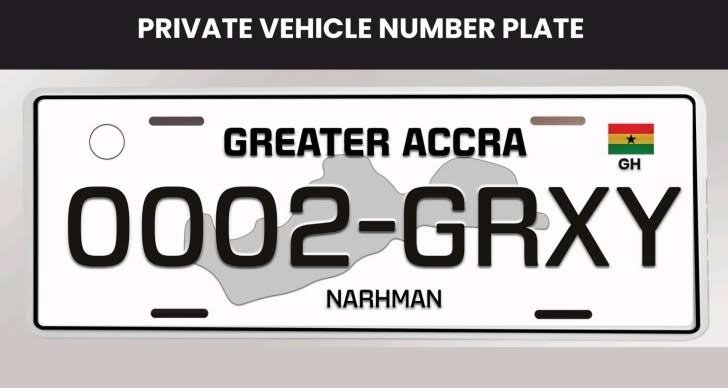
The new plates will feature security elements including “REPUBLIC OF GHANA”, the Ghana flag, a biennial renewal sticker ring, the region of registration and a watermark of Ghana’s map.
The registration format will also change, with four letters following the registration number. The first two will represent the Registration Centre Code, while the remaining two will be Random Identification Marks.
The year of registration will no longer appear on the plates.
The DVLA plans to begin official issuance of the new plates in January 2027, starting with unregistered vehicles. Arrangements for re-registering already registered vehicles will be announced later.
The initiative follows the passage of the Road Traffic Regulations, 2026 (L.I. 2519).
“The introduction of the RFID-enabled number plate represents an important step in DVLA’s commitment to digitisation, enhanced vehicle security, improved revenue protection and greater efficiency in vehicle registration and identification.”