


















The New Patriotic Party (NPP) has rejected what it describes as an attempt by the government to “essentially” rewrite Ghana’s 1992 Constitution, arguing that the proposed changes are too extensive to be handled as ordinary constitutional amendments.
The party says the process must instead be subjected to broader national deliberation involving political parties, organised labour, professional bodies and other key stakeholders.
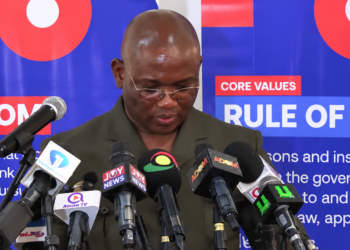
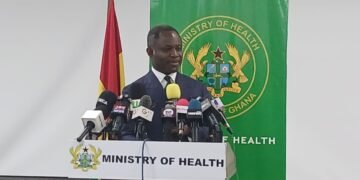
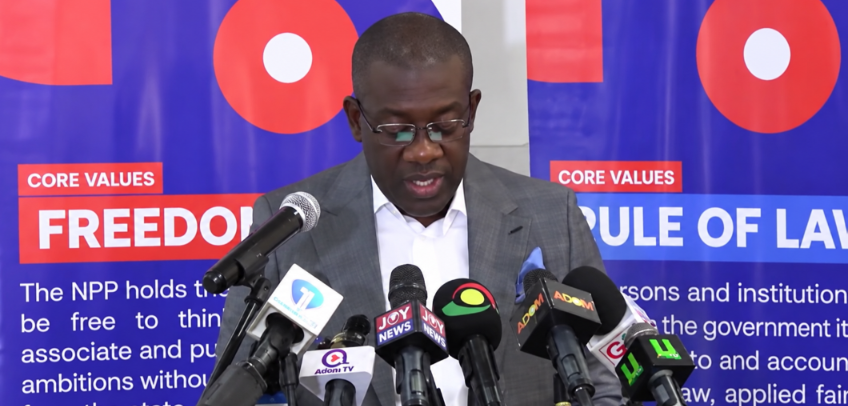
NPP Policy Committee Chairman and Ofoase/Ayirebi MP, Kojo Oppong Nkrumah, made the position known at a press conference on Thursday, September 17.
He said the scale of the recommendations from the Constitution Review Committee raises fundamental questions about the process being used to translate them into law.
According to Oppong Nkrumah, the committee has proposed amendments to 147 of the Constitution’s 299 articles, alongside 59 new provisions.
“Amendment 147 of 299 articles, together with 59 new provisions, that is 206 reaching into the executive, the legislature, independent constitutional bodies, and local government is not just an adjustment to some provisions of the constitution, they amount to the overhaul of the constitution and in substance the enactment of a new one,” he said.
The NPP chairman also raised concerns over alleged differences between the review committee’s recommendations and the government’s position.
He claimed that the government had taken alternative positions on about 100 of the 147 recommendations and had moved towards drafting proposals without further negotiations with stakeholders.
Oppong Nkrumah said the absence of a formal platform for political parties, organised labour, professional groups and other stakeholders to deliberate on the disputed issues was a major concern for the NPP.
The party is therefore calling on Parliament to introduce a Constituent or Consultative Assembly Bill to provide a structured forum for broader deliberations on the proposed constitutional reforms.
Oppong Nkrumah said Ghana’s previous constitutional processes demonstrated the importance of allowing expert recommendations to undergo wider national deliberation before becoming law.
“First, the work of an expert deliberated and settled upon by a broad and representative assembly and only then given the force of law. This was done in 1969, in 1979, and in 1992 and that is what we are calling on the government to respect now,” he said.
He said the proposed assembly would provide an opportunity to examine the recommendations, address areas of disagreement and build consensus before the amendment process proceeds.
“The New Patriotic Party therefore rejects this approach being pursued by the NDC government in essentially rewriting the 1992 constitution,” he said.
The controversy comes as the government works towards implementing recommendations from the Constitution Review Committee.
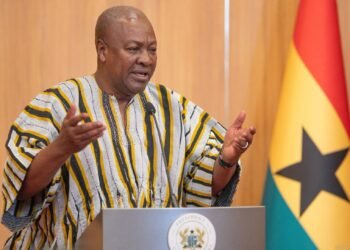
President John Dramani Mahama has initiated the implementation process, with an 11-member Constitution Review Implementation Committee established to work on the recommendations.
The proposed reforms cover several aspects of Ghana’s governance system, including the Executive, Legislature, independent constitutional bodies and local government.