






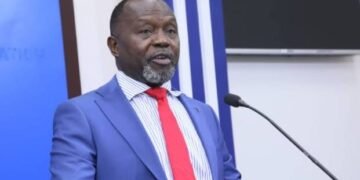


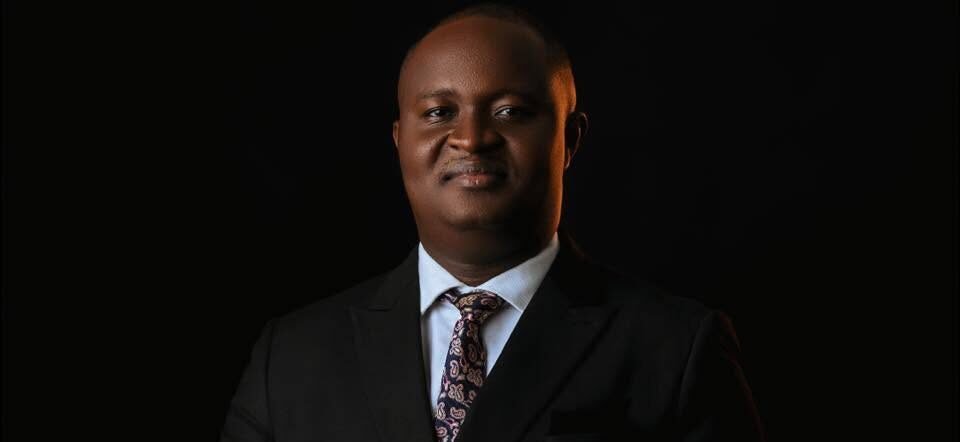
Former Education Minister Kwasi Kwarteng has defended Ghana’s Free Senior High School (Free SHS) policy, rejecting claims that the programme is responsible for the underfunding of basic education.
Mr. Kwarteng made the comments in a social media post responding to concerns raised by Eduwatch over funding for basic education.
He said basic education requires significantly greater investment but disagreed with attempts to establish a direct link between its underfunding and Free SHS.
“I don’t dispute with Eduwatch’s assertion that basic education requires significantly greater investment. Where I disagree is the attempt to establish a causal relationship between its underfunding and Free SHS.”
Mr Kwarteng noted that secondary education already commanded a significant share of education expenditure before Free SHS was introduced.
“The imbalance he complains about therefore predates Free SHS.”
He also challenged comparisons of expenditure per student at the basic and secondary levels, arguing that the two levels have different cost structures.
According to him, secondary education comes with additional costs such as boarding, feeding, laboratories and specialised facilities.
“Comparing expenditure per learner without accounting for these differences is simply comparing apples with oranges.”
He added that infrastructure costs also vary significantly, noting that a three-storey SHS dormitory, laboratory or specialised facility could cost several times more than a basic-school classroom block.
“It is therefore perfectly rational for expenditure at one level to be higher without necessarily meaning the other has been neglected.”
Mr. Kwarteng said the key issue should be whether basic education receives enough funding to deliver acceptable learning outcomes.
“The real question therefore is not simply how much is spent on SHS compared with basic education, but whether basic education receives enough to deliver acceptable learning outcomes.”
He argued that addressing funding gaps in basic education does not necessarily require reducing investment in secondary education.
Mr. Kwarteng also questioned whether abolishing Free SHS would automatically make its resources available to basic education.
“In any event, if free SHS were abolished today, what guarantees that those resources would automatically flow to basic education? None!”
He said the allocation of resources would instead depend on government revenue, priorities, efficiency and expenditure choices.
“Free SHS cannot therefore become the convenient scapegoat for every historical weakness in basic education financing.”
Mr. Kwarteng maintained that Ghana should not have to choose between a strong basic education system and accessible secondary education.
“Ghana does not have to choose between a strong basic foundation and accessible secondary education. We need both.”
He concluded that the broader challenge was the failure of successive governments to expand investment across the entire education system at the same pace.
“The policy failure is not that we expanded access to SHS by making it free; it is that successive governments have failed to expand investment across the entire education value chain at the same pace.”