



















Zoomlion Ghana Limited has intensified efforts to protect public health in the Western North Region with a two-day disinfection and disinfestation exercise at selected public facilities in the Sefwi Wiawso Municipality.
The exercise, which began on Wednesday, August 26, 2026, at about 3:30 p.m., continued until 8:00 p.m.
It resumed at 3:30 a.m. the following day and ended at about 7:30 a.m.
The timing enabled the technical team to operate at busy public facilities while minimising disruption to traders, commuters and other users.
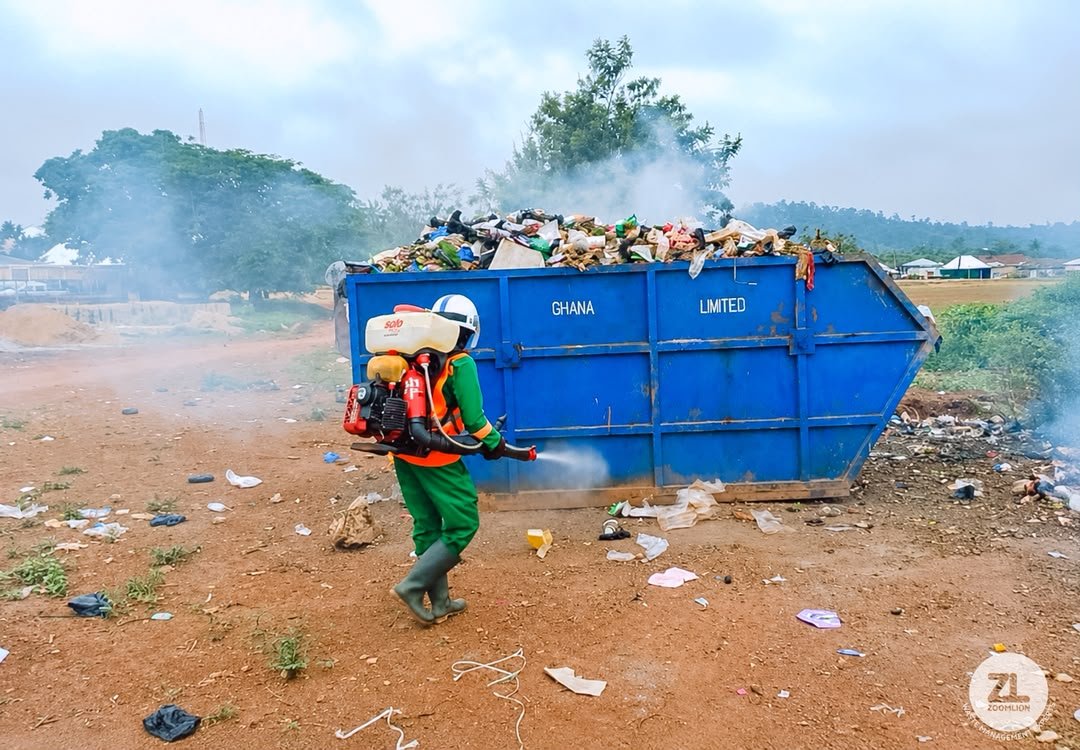
The exercise covered the premises of the Sefwi Wiawso Municipal Assembly, markets, lorry parks, public toilets, refuse container sites and other frequently used public spaces.
The intervention was aimed at controlling mosquitoes, flies and other disease vectors while reducing the risk of sanitation-related diseases, including malaria, cholera and typhoid.
The Western North Regional Manager of Zoomlion Ghana Limited, Mr Richison Nii Ayi Reindorf, said the intervention was undertaken in response to environmental health concerns associated with the rainy season and recent flooding in parts of the country.
He explained that flooding and poor environmental conditions could create breeding grounds for mosquitoes and increase communities’ exposure to waterborne and vector-borne diseases.
Mr Reindorf said Zoomlion bore the full cost of the exercise under its Corporate Social Responsibility programme, making the intervention free of charge to the Sefwi Wiawso Municipal Assembly and beneficiary communities.
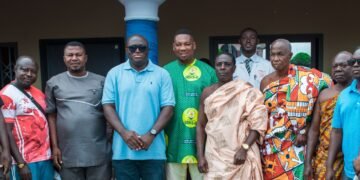
The Western North Regional Environmental Health Officer, Mr Paul Kwesi Nutsugah, commended Zoomlion for the intervention and stressed the importance of collaboration among the company, local authorities and environmental health officers in reducing sanitation-related public health risks.
Residents, traders and facility managers were also encouraged to complement the exercise by maintaining clean surroundings, avoiding indiscriminate dumping, disposing of waste at approved locations and eliminating stagnant water that could serve as breeding grounds for mosquitoes.
The exercise demonstrates the importance of collaboration among private-sector organisations, local authorities, environmental health officials and communities in promoting cleaner environments and protecting public health.