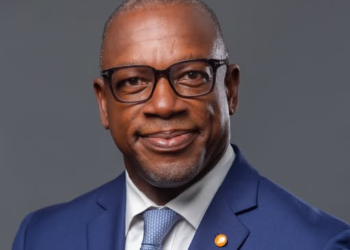




















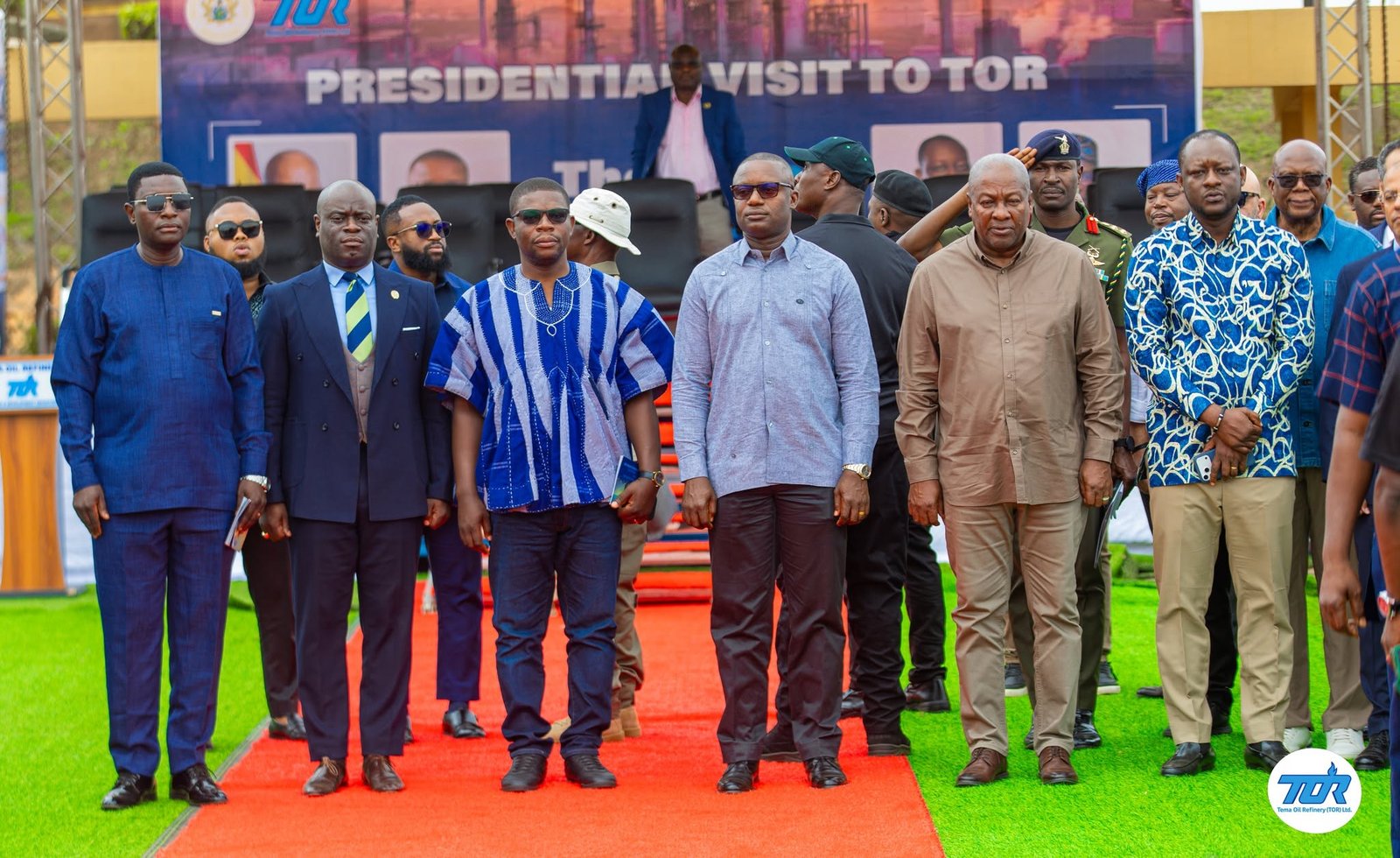
The Tema Oil Refinery (TOR) is showing signs of renewed recovery after years of operational and financial challenges, with management under Managing Director Edmund Kombat pursuing an ambitious turnaround strategy aimed at restoring Ghana’s only refinery to full operation.
According to Radiant Media and Intelligence Hub, for more than a decade, TOR struggled under a heavy debt burden, deteriorating infrastructure and prolonged shutdowns, leading many industry observers to question its future.
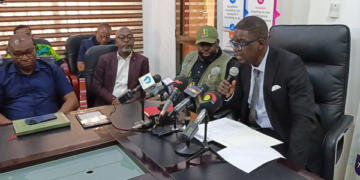
The policy think-tank made this recommendation in a statement released on Tuesday August 4, 2026 singed by its Excutive Director, Emmanuek Duah.
However, recent efforts by the refinery’s management have sparked optimism that the state-owned facility could once again play a central role in Ghana’s energy sector.
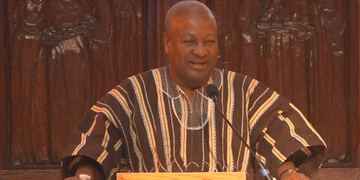
Mr. Kombat, who was appointed Managing Director by President John Dramani Mahama in 2025, has embarked on a restructuring programme focused on restoring operations, improving financial sustainability and rebuilding confidence among employees and investors.
A major priority has been the rehabilitation of the refinery’s Crude Distillation Unit (CDU), which has remained largely inactive for years. Management is also pursuing tolling and crude processing partnerships to resume refining operations without relying solely on direct crude purchases.
On the financial front, TOR is working with government and creditors to restructure its legacy debt, estimated at more than US$400 million, with the objective of creating a more sustainable operating environment capable of attracting new investment.
Management has also introduced internal reforms aimed at improving transparency, strengthening governance and boosting staff morale through operational audits and anti-corruption measures.
In addition, the refinery is exploring strategic partnerships with private investors under a Public-Private Partnership (PPP) or lease arrangement that would inject capital and technical expertise while allowing the Government of Ghana to retain ownership of the facility.
Energy analysts believe the refinery’s revival has broader implications beyond commercial operations.
A fully operational TOR, with a refining capacity of approximately 45,000 barrels of crude oil per day, could reduce Ghana’s dependence on imported refined petroleum products, improve energy security, lessen exposure to global fuel price volatility and ease pressure on foreign exchange reserves.
The refinery also remains a major source of employment, supporting hundreds of direct jobs and thousands more across Ghana’s downstream petroleum industry.
Despite the renewed optimism, significant challenges remain.
Industry experts point to TOR’s outstanding debt, the substantial capital required to complete rehabilitation works, the need for consistent crude oil supply and the importance of maintaining sound corporate governance as critical factors that will determine the success of the recovery programme.
Radiant Media and Intelligence Hub, a policy thinkitank, belives sustained government support, sound policy implementation and private sector investment will be essential if the refinery is to complete its turnaround and reclaim its role as a strategic national asset.
As efforts to restore operations continue, the refinery’s resurgence is increasingly being viewed not only as an economic priority but also as a key component of Ghana’s long-term energy security strategy.
Three RECOMMENDATIONS TO PARLIAMENT and MINISTRY OF ENERGY.
1.Pass a TOR Revival & Protection Act.
Parliament should legislate a Ten year policy shield for TOR. This must include:
- Crude Supply Guarantee: Mandate GNPC and IOCs to allocate a portion of Jubilee/TEN/SANKOFA crude for local refining
- Market Protection: A minimum refining quota to prevent TOR from being undercut by tax-free imported products
- Debt Ring-fencing:Legally separate legacy debt from TOR’s new operations so investors are not scared off.
- Approve a 200M dollar TOR Modernization Fund with Oversight:
Government, in partnership with DFIs and private investors, should capitalize a dedicated fund for CDU upgrade, safety systems, and digitization.
- Condition: Funds must be managed by an independent Board with NPA, Ministry of Finance, and civil society oversight:
- KPIs: Publish quarterly performance reports on throughput, losses, and jobs.
- Adopt a PPP Lease Model, Not an Outright Sale
Government should pursue a concession/lease model for 15-20 years instead of full privatization.
- Model: State retains ownership of land and core assets. Private partner brings capital, technology, and management
- Safeguard: Include a “Golden Share” and local content requirements for jobs and skills transfers.