


















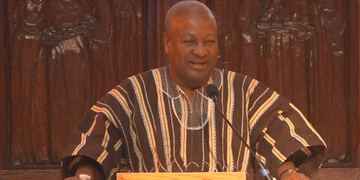






University lecturer and business strategist Dr. Razak Kojo Opoku has defended the government’s decision not to release the Interministerial Committee report on the National Lottery Authority (NLA)-KGL Technology Limited contracts, arguing that the Right to Information (RTI) Act, 2019 (Act 989), exempts the document from public disclosure.
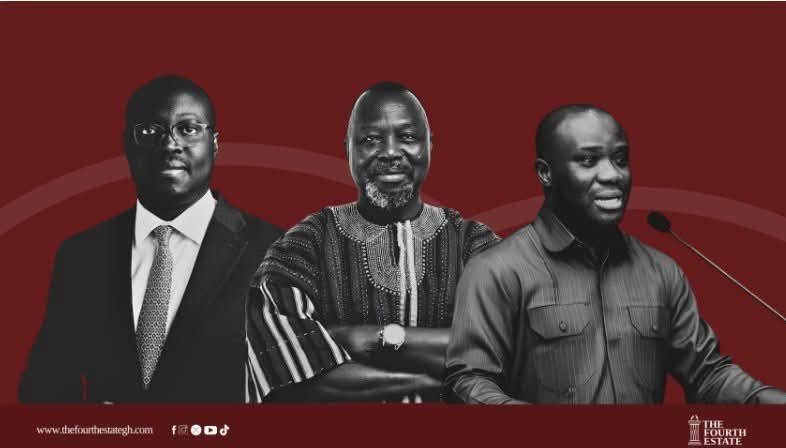
In a detailed statement, Dr. Opoku questioned why The Fourth Estate, an investigative journalism project of the Media Foundation for West Africa (MFWA), should be granted access to the report when KGL Technology Limited, the principal party affected by the review and renegotiation of the contracts, has reportedly not been given a copy despite formally requesting one.
According to him, KGL has written to the Office of the President, the Office of the Attorney-General and Ministry of Justice, and the Ministry of Finance seeking access to the report but has yet to receive it.
He noted that the ongoing financial renegotiations between the government and KGL are instead being guided by a directive issued by the Office of the President on April 7, 2026.
Dr. Opoku argued that the RTI Act does not provide unrestricted access to all public documents, citing several provisions of the law that exempt certain categories of information from disclosure.
He referenced Sections 5, 6, 10, 11, and 13 of Act 989, which protect documents submitted to the President or Cabinet, records relating to policy deliberations, commercially sensitive information, confidential business data, and materials that could undermine government negotiations or decision-making processes.
He maintained that releasing the committee’s report could prejudice ongoing negotiations between the government and KGL and potentially affect the State’s financial and commercial interests.
The academic further contended that the report does not meet the public interest disclosure threshold under Section 17 of the RTI Act.
He argued that the contracts between the NLA and KGL have already been accepted as legal by the government, citing a letter from the Office of the President directing the implementation of recommendations arising from the inquiry into the contracts.
Dr. Opoku also rejected suggestions that the report concerns matters such as public safety, abuse of authority, miscarriage of justice, or other issues that would warrant disclosure in the overriding public interest.
He concluded by urging journalists, particularly those at The Fourth Estate, to familiarise themselves with the exemption provisions of the RTI Act before filing applications for access to information or seeking legal redress under the law.