












Bondholders under Ghana’s Domestic Debt Exchange Programme (DDEP) are expected to receive GH¢10.8 billion on August 18, 2026, as the government has promised to honour the upcoming coupon payment on time and in full.
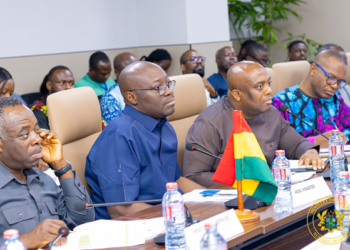
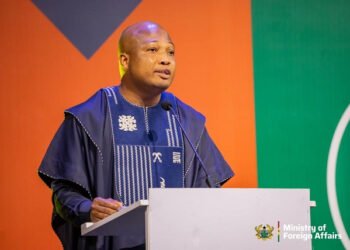
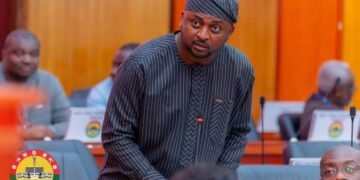
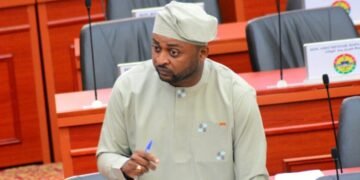
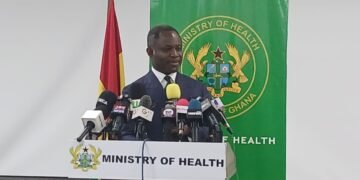
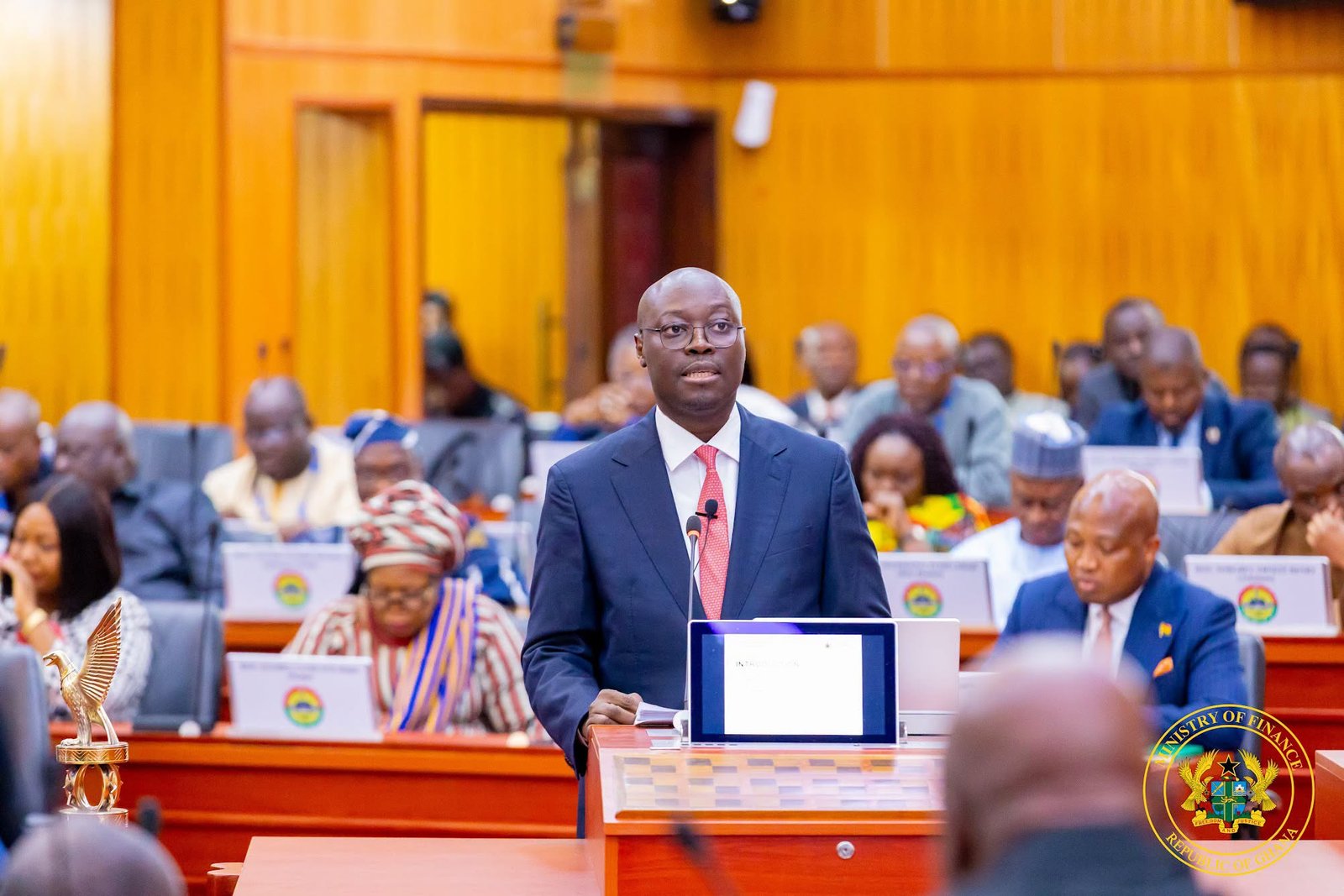
This was disclosed by Finance Minister Dr Cassiel Ato Forson while presenting the 2026 Mid-Year Budget Review to Parliament on Thursday, July 23.
According to him, the upcoming payment forms part of the government’s commitment to meeting its obligations to investors following the restructuring of Ghana’s domestic debt.
“The seventh DDEP coupon payment of 10.8 billion cedis falls due on the 18th of August 2026. Let me use this opportunity to assure this House that it will be paid on time and in full,” Dr Forson told Parliament.
He said the government had already honoured a GH¢10.1 billion DDEP coupon payment earlier this year.
“On the 17th of February 2026, government honoured the first domestic debt exchange programme coupon payment of 10.1 billion cedis on time and in full,” he said.
The Finance Minister said the government’s ability to consistently meet its debt obligations is helping to restore confidence in Ghana’s economy following the country’s debt restructuring.
He also disclosed that Ghana has paid US$2.1 billion in principal and interest to Eurobond holders since January 2025, without placing undue pressure on the country’s foreign exchange reserves.
“There was a time when the world doubted us. Today, every payment made on time answers that doubt, assuring bondholders in London, pension funds in New York and investors at home that our word is our bond,” Dr Forson stated.
He maintained that restoring investor confidence would depend on the government consistently meeting its financial obligations rather than merely making assurances.
“Payment after payment, coupon after coupon, Ghana has proven one thing. We now keep our word,” he said.
“That is how market confidence is rebuilt, not through speeches, but through repayment,” he added.
The DDEP was introduced in December 2022 as part of Ghana’s broader debt restructuring programme after the government announced that the country’s public debt had become unsustainable.
Under the programme, eligible domestic bondholders exchanged their existing government securities for new bonds with revised maturity dates and coupon structures. The exercise formed a key part of measures to restore debt sustainability and paved the way for Ghana’s programme with the International Monetary Fund.
The government has since been making scheduled payments to bondholders as it works to rebuild confidence in the domestic debt market and strengthen Ghana’s fiscal position.