

















The Shai Osudoku District Assembly in the Greater Accra Region has introduced a computerized revenue billing system aimed at improving revenue collection, enhancing transparency, and eliminating inefficiencies associated with its previous manual processes.
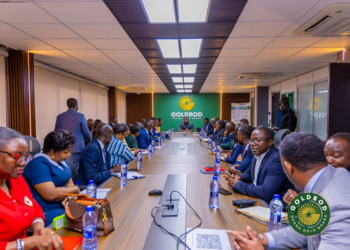
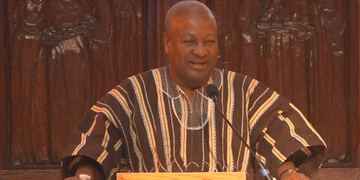
Speaking at a media briefing on June 23, 2026, the Municipal Chief Executive (MCE), Mr. Ignatius Godfred Dordoe, described the initiative as a landmark reform that would transform revenue administration in the district.
According to him, the Assembly’s previous database was fragmented, outdated and vulnerable to revenue leakages, making it difficult to effectively track and collect taxes and levies.
“We have taken the bold decision to do something very significant which has not happened for decades—a fully computerized and mechanized billing system,” he said.
To establish the new platform, the Assembly invested in laptops and tablets and recruited more than 40 data collectors to undertake a comprehensive data-gathering exercise across the district.
Using Kobo Collect software, the team captured information on businesses and properties, while supervisors monitored progress in real time through a digital dashboard.
The collected data was subsequently cleaned, validated and migrated into the new revenue management system.
Hon. Dordoe disclosed that the exercise has so far covered approximately 75 percent of the district, with farming communities such as Asutuare and Volivo yet to be captured.
More than 10,000 records have already been validated, generating estimated billings of about GHS4.5 million.
Under the new system, every ratepayer is assigned a unique account number and GPS-linked address, enabling the Assembly to accurately identify and track properties and businesses throughout the district.
The MCE explained that the digital platform automatically records payments and arrears, improving accountability and reducing the possibility of errors.
“If a business pays GHS20 out of a GHS50 bill, the system automatically records the outstanding GHS30 as arrears for the following year,” he explained.
The Assembly has also introduced colour-coded bills to simplify identification and enhance transparency.
Property rate bills are issued in yellow, while business operating permit bills are printed in blue.
Each bill contains details of the ratepayer’s category, based on the Assembly’s fee-fixing schedule.
“We do not want to cheat anybody. We want the process to be transparent and accountable,” Hon. Dordoe emphasized.
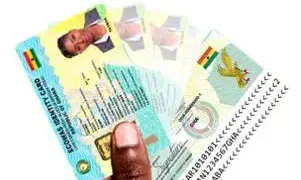
As part of measures to prevent fraud, all revenue collectors will operate with branded reflector jackets and official identification cards.
The MCE urged residents and business owners to verify the credentials of collectors and insist on receiving official Ghana Revenue Collection (GCR) receipts for all payments made.
“If anybody comes without our logo and proper identification, that person should be considered an imposter,” he cautioned.
The system operates continuously and allows field officers to update information on properties and businesses as they collect revenue, ensuring that the database remains current.
Hon. Dordoe revealed that the Assembly has already mobilized about GHS3 million in Internally Generated Funds and is targeting revenue collections exceeding GHs8 million once the exercise is fully completed.
He expressed optimism that increased revenue would enable the Assembly to undertake major development projects and improve service delivery across the district.
The MCE also appealed to the media to support public education efforts by encouraging residents to cooperate with revenue officers and demand their mechanized bills before making payments.
“This initiative belongs to all of us. Everyone must participate. If someone comes to collect money from you, ask to see your mechanized bill,” he said.