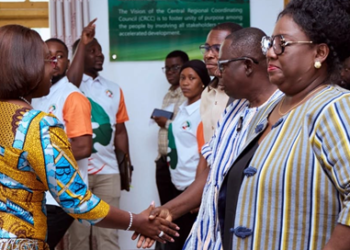














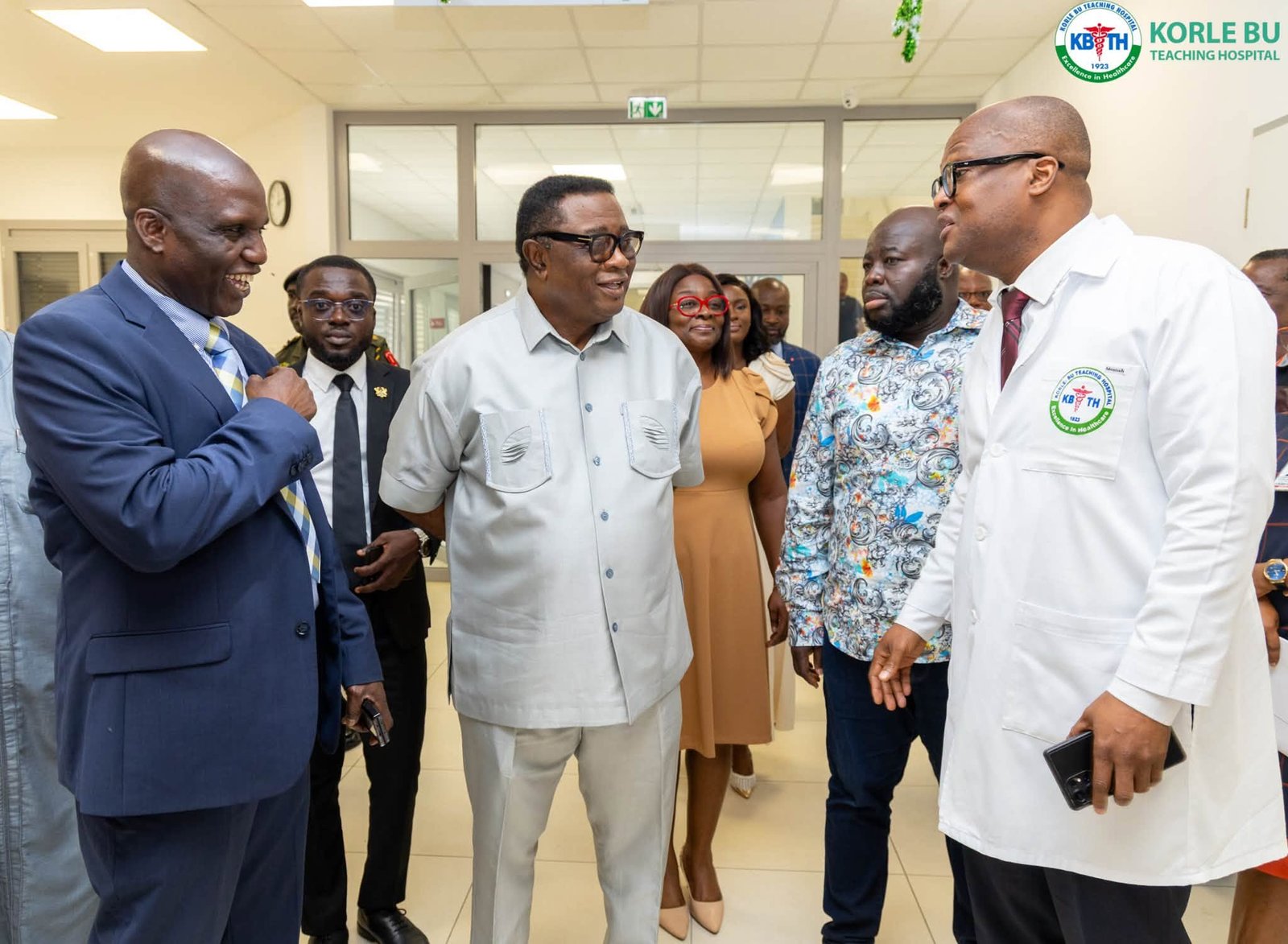
The Presidential Envoy on Interfaith and Ecumenical Relations has presented a donation of GHS100,000 to the Renal Unit of the Korle- Bu Teaching Hospital to support dialysis services and improve patient care.
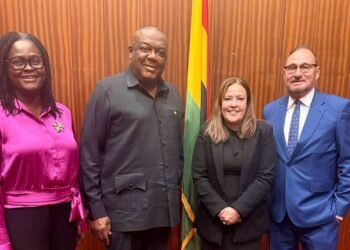
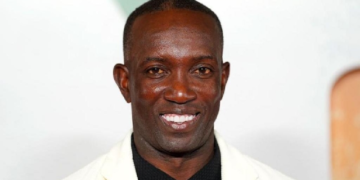
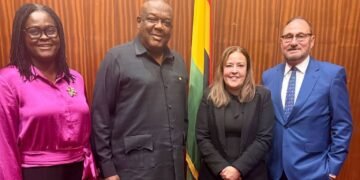
The donation, made on behalf of President John Dramani Mahama, was presented by a delegation led by the Presidential Envoy, Mr. Elvis Afriyie Ankrah.
According to Ankrah, the contribution was partly funded from proceeds generated during the National Day of Thanksgiving held on July 1, 2026, an event instituted to express gratitude to God for the peace and stability Ghana continues to enjoy despite challenges facing some neighbouring countries.
He disclosed that the event raised GHS36,570, while the Office of the Presidential Envoy on Interfaith and Ecumenical Relations contributed an additional GHS64,000 to bring the total donation to just over GHS100,000.
Hon. Ankrah noted that the donation was intended to ease the burden on patients who struggle to afford dialysis treatment and called on individuals, corporate institutions and philanthropic organisations to support efforts aimed at improving renal care in the country.
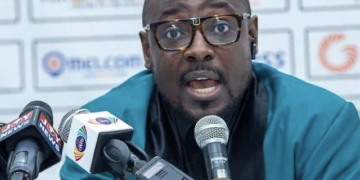
Receiving the donation on behalf of the hospital, the Chief Executive Officer of the Korle- Bu Teaching Hospital, Dr. Yakubu Seidu Adam, expressed appreciation to President Mahama and the Presidential Envoy for the gesture.
He reaffirmed the hospital’s commitment to delivering quality renal care and highlighted the importance of sustaining dialysis services, noting that the Renal Unit operates around the clock.
“The unit runs a 24-hour service, seven days a week, including weekends.
We know the implications when we fail to provide these services,” Dr. Adam stated.
He further revealed that the hospital is making steady progress with its kidney transplant programme, describing it as a long-term treatment option that offers hope to patients and could reduce dependence on lifelong dialysis treatment.
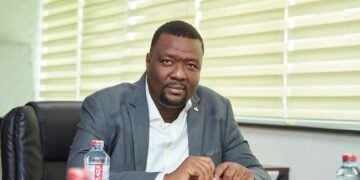
The Head of the Department of Urology and Nephrology, Dr. John Edward Mensah, also expressed gratitude for the support, stressing the importance of maintaining a steady supply of dialysis consumables to sustain operations at the unit.
Dr. Mensah disclosed that the Renal Unit currently operates 30 dialysis machines and is expected to receive an additional 25 machines from other departments to enhance service delivery.
He noted that the facility currently provides dialysis treatment to at least 90 patients every day.
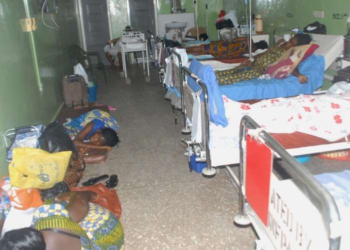
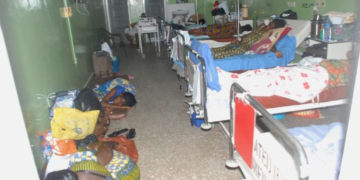
Despite these efforts, Dr. Mensah highlighted several infrastructure challenges facing the unit, particularly the need for larger dialysis beds to accommodate taller and bigger patients who often spend up to four hours per session undergoing treatment.
He appealed to individuals, organisations and corporate bodies to support the hospital in addressing these challenges to improve patient comfort and enhance the quality of renal care delivery.