

























The Deputy Minister of Health, Dr. Grace Ayensu-Danquah, has reinforced government efforts to reduce maternal deaths and improve emergency healthcare services through a series of engagements in the Northern Region under the Maternal Mortality Action and Response Programme (MMARP).
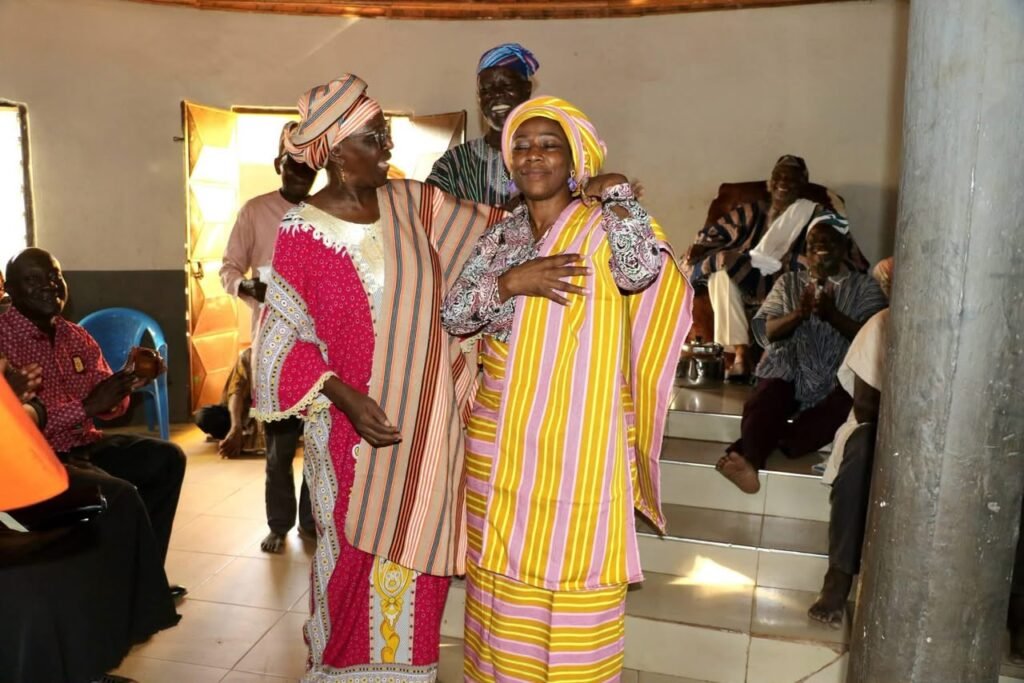
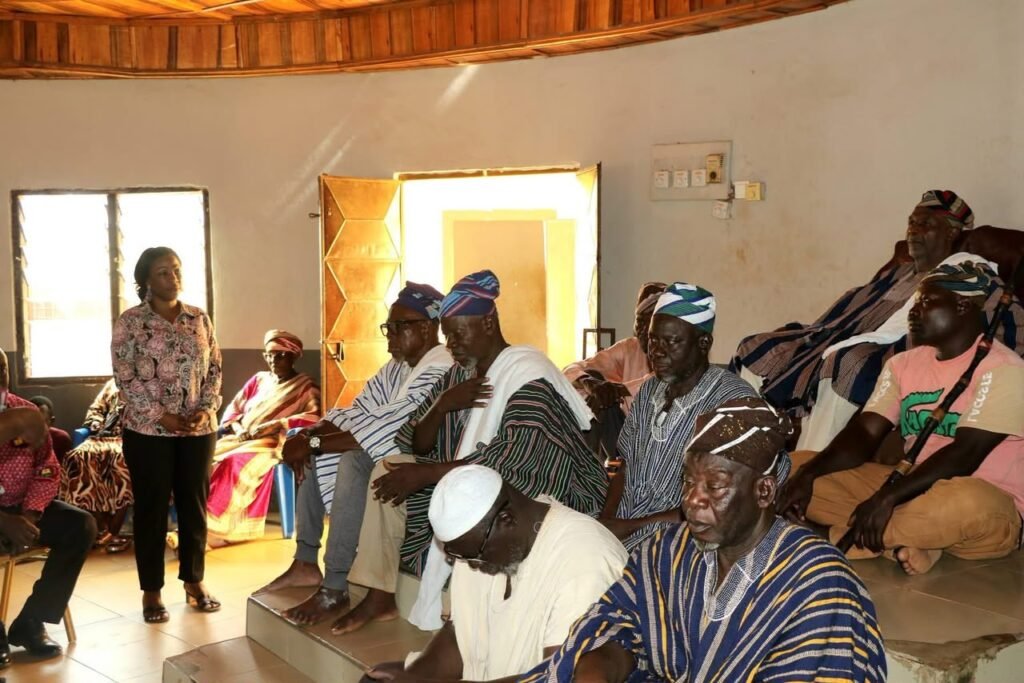
During the second day of her tour this week, Dr. Ayensu-Danquah visited Adibo and Gbungbaliga in the Yendi Municipality, where she met traditional leaders, inspected health facilities and engaged residents on challenges affecting maternal healthcare. Her itinerary included visits to the Adibo Health Centre, the Community-based Health Planning and Services (CHPS) compound and the Yendi Municipal Hospital.
The MMARP initiative focuses on preventing avoidable maternal deaths by strengthening collaboration between health authorities, traditional institutions and local communities.

Addressing residents, the Deputy Minister reiterated government’s commitment to improving healthcare for mothers and newborns. She announced that the Free Primary Health Care initiative would deploy community health workers carrying mobile health backpacks to provide maternal and child health services directly in homes and underserved communities, helping bridge access gaps for women in remote areas.
She also encouraged families to improve nutrition by making greater use of locally available foods, stressing that healthy diets are essential to better maternal and child health outcomes.
During a courtesy visit to the Paramount Chief of the Gbungbaliga Traditional Area, Naa Bapri Gbungbal-Naa Abdallah Abudu Sulemana, local leaders welcomed the government’s engagement but highlighted persistent challenges, including shortages of healthcare personnel, inadequate infrastructure, staff accommodation, transport for outreach services, consistent medicine supplies and backup electricity for the Adibo Health Centre and Gbungbaliga CHPS compoundThe chief praised the deputy minister for engaging directly with community leaders, describing the visit as a demonstration of government’s determination to bring healthcare closer to the people.
Beyond maternal health, Dr. Ayensu-Danquah also promoted efforts to strengthen Ghana’s emergency healthcare workforce. At the Nurses’ and Midwives’ Training College (NMTC) in Tamale, she joined the matriculation of the first 49 students admitted into the institution’s new Bachelor of Science in Emergency Nursing programme.
Encouraging the pioneer class, she reminded them of the significance of their future responsibilities, telling them, “Your clients are waiting for you at the door of every emergency room in this country.”

She described the programme as an important component of the government’s Reset Agenda and the Ghana Medical Trust Fund (Mahama Cares), aimed at expanding specialist training and strengthening healthcare delivery nationwide. She urged the students to uphold professionalism, discipline and compassion, noting that emergency nursing demands sound judgment, technical competence and empathy.
Principal of NMTC Tamale, Dr. Abdulai Abdul-Malik, also challenged the students to pursue academic excellence while building the character and practical skills required of emergency nursing professionals.

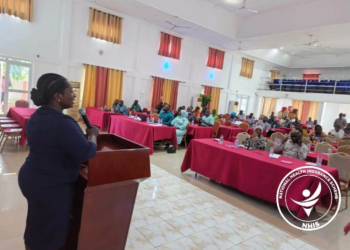
The deputy minister’s visit coincided with an orientation programme in Tamale for advisory board members of health training institutions. Held under the theme, “Effective Governance, Role Clarity and Collaboration between Management and Advisory Boards of Health Training Institutions,” the programme seeks to improve institutional governance and enhance the quality of health training in Ghana.The combined initiatives underscore the government’s strategy to reduce maternal mortality, expand specialist healthcare training and strengthen the leadership of health institutions to better meet the country’s evolving healthcare needs