


























The Ghana Insurers Association (GIA) has called on players in the insurance industry to take a proactive leadership role in addressing emerging risks facing Africa rather than responding after crises occur.
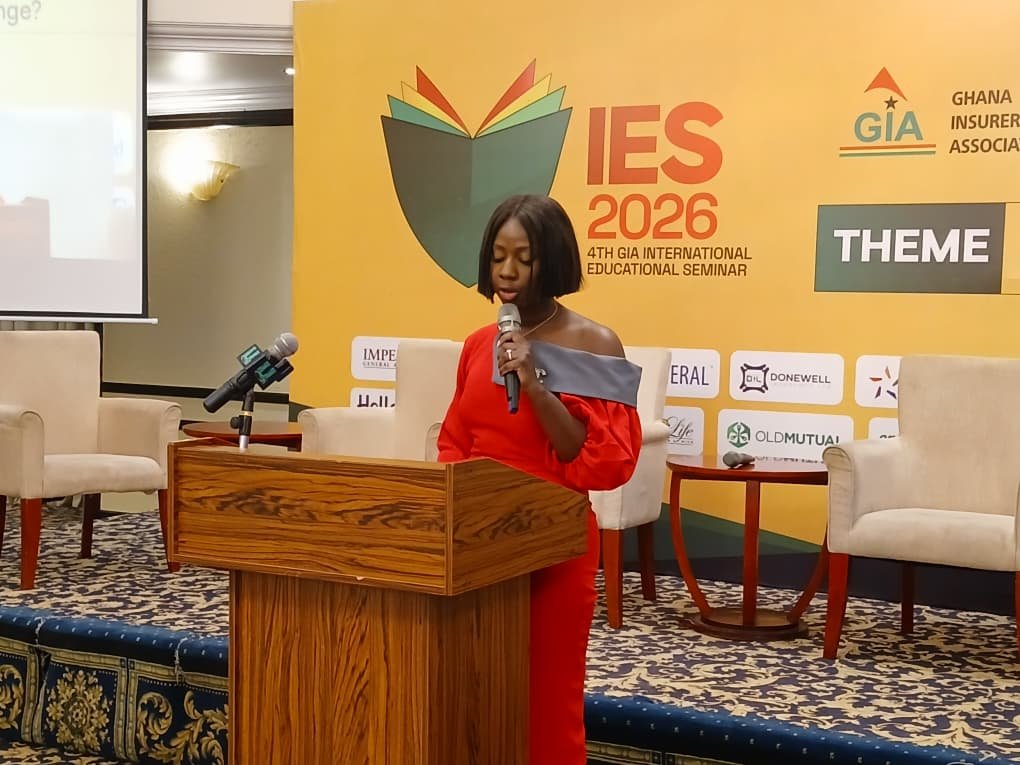
The call was made by the President of the GIA, Boatemaa Barfour-Awuah, at the opening of the Association’s 4th International Educational Seminar, which brought together insurance professionals, industry partners and experts from Ghana, Nigeria and other parts of the region.
Mrs. Barfour-Awuah, who described the seminar as a significant milestone during her tenure as GIA President, challenged the industry to rethink its approach as the next decade is expected to be shaped by increasing risks including climate change, cyber threats, Artificial Intelligence and global trade disruptions.
She questioned whether the insurance sector would lead or follow the changes expected to define the future of risk management, arguing that the industry has often lagged behind developments in other sectors such as banking, fintech and technology.
“Too often, we have studied the way after it has broken,” she said, stressing the need for insurers to become innovators and drivers of solutions.
The GIA President noted that insurance plays a critical role in helping societies recover from disasters, citing the industry’s payment of about GHS36 million in claims following the June 3, 2015 twin fire and flood disaster in Accra.
She added that the industry is currently assessing claims arising from recent flooding incidents in Accra and other parts of the country.
According to Mrs. Barfour-Awuah, the insurance industry must focus on four key areas to remain relevant in the coming years: technology, relevance, conduct and partnerships.
She said insurers must embrace Artificial Intelligence responsibly, expand access to insurance products for millions of uninsured people, strengthen public trust and work closely with regulators such as the National Insurance Commission (NIC) to build a sustainable and transparent market.
She emphasized that technological innovations, reinsurance arrangements and financial systems must ultimately serve the needs of ordinary families and businesses by making insurance more accessible and reliable.
The three-day seminar will feature discussions on major industry trends, including life and non-life insurance, reinsurance, accounting and finance, information technology, claims management, motor insurance and cybersecurity.
Mrs. Barfour-Awuah encouraged participants to actively engage during the sessions and challenge existing practices to drive transformation within the sector.
She expressed confidence that Ghana has the potential to become a leading insurance innovation hub in West Africa, insisting that the industry must position itself to lead rather than follow.
“I believe the next decade can be the decade that insurance stops following and starts leading,” she said, adding that such leadership is necessary for customers, businesses and Africa’s economic development.
The GIA expressed appreciation to speakers, sponsors, partners, the organising committee and the secretariat for supporting the successful organisation of the seminar.