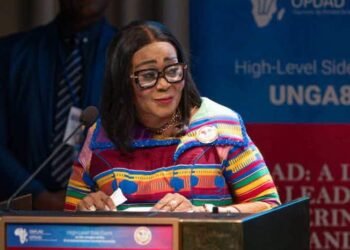




























Vice President Prof. Jane Naana Opoku-Agyemang has launched three key legal instruments aimed at strengthening social protection and advancing gender equity in Ghana.
The instruments are the Social Protection Act, 2025 (Act 1148), the Social Protection Regulations, 2026 (L.I. 2521), and the Affirmative Action (Gender Equity) Regulations, 2026 (L.I. 2522).
Speaking at the launch, Prof. Opoku-Agyemang said the new laws were ultimately intended to improve the lives of vulnerable Ghanaians by ensuring that households in need could access support and that public resources reached their intended beneficiaries.
She said Ghana already had important social protection interventions, including the Livelihood Empowerment Against Poverty (LEAP) programme, the Ghana School Feeding Programme and the National Health Insurance Scheme.
According to the Vice President, the new framework would strengthen coordination and accountability across Ghana’s social protection system while improving provisions for social assistance, emergency relief, productive inclusion and financial inclusion.
She also said the Affirmative Action Regulations represented another important step towards translating the government’s commitment to gender equity into practical opportunities for Ghanaian women.
Prof. Opoku-Agyemang, however, stressed that the passage and launch of the laws were only the beginning, saying their success would ultimately be determined by their impact on citizens.
“Passing laws is only the beginning. Their success will be measured not by their existence, but by the difference they make in people’s lives,” she said.
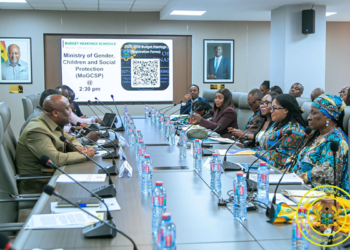
The Vice President commended the Minister for Gender, Children and Social Protection, Agnes Naa Momo Lartey, and her team, Parliament, the Attorney-General and Minister for Justice, development partners and other stakeholders for their contributions towards the development of the new framework.
She also expressed special appreciation to Dr. Esther Ofei-Aboagye for her contribution to the process.
Prof. Opoku-Agyemang said the priority now was to move from legislation to implementation and ensure that no Ghanaian was unnecessarily left at the margins of the country’s development.
She called for sustained efforts to translate the new legal framework into tangible improvements in social protection and equal opportunities for citizens.