





















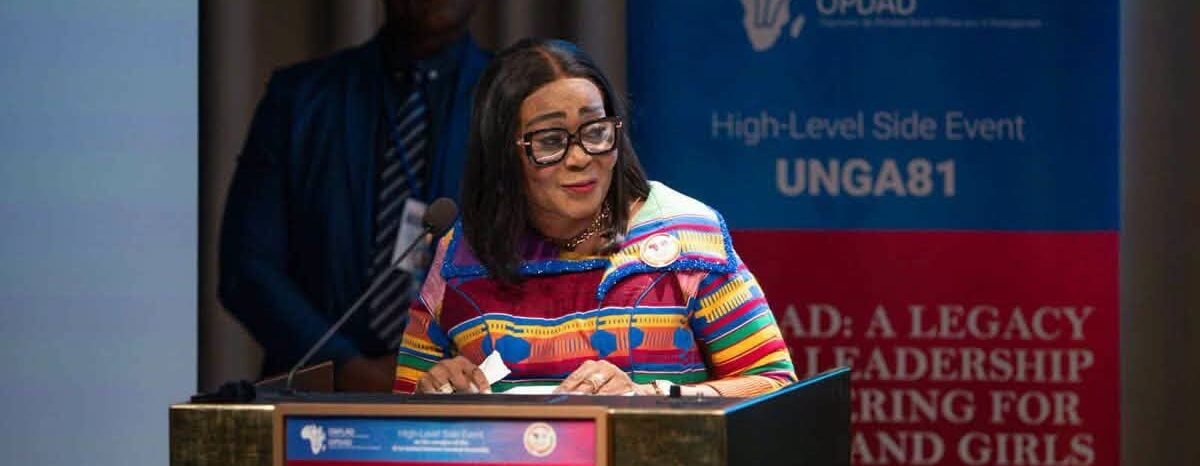
First Lady of Ghana, Mrs Lordina Dramani Mahama, has called on African leaders and development partners to increase investments in healthcare, education and women’s economic empowerment to promote sustainable development across the continent.
She made the call during the “Passing the Baton” session at a high-level side event organised by the Organisation of African First Ladies for Development (OAFLAD) at the Ford Foundation Center for Social Justice in New York.
The event, themed “A Legacy of Leadership: Delivering for Women and Girls,” brought together African First Ladies and a First Gentleman to reflect on OAFLAD’s achievements over the past 25 years and discuss its strategic direction for the next quarter-century.
Mrs Mahama recalled that OAFLAD was established nearly 25 years ago at a time when the HIV and AIDS pandemic required coordinated and decisive leadership across Africa.
She said the same spirit of collective action remains necessary as the continent confronts current challenges affecting women and children.
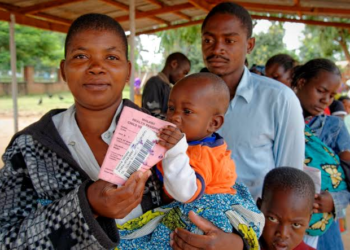
The First Lady called for stronger and more resilient healthcare systems capable of reaching every mother and child, while integrating maternal healthcare with HIV prevention, early screening, nutrition and other essential services.
She, however, stressed that improvements in healthcare must be complemented by broader socio-economic interventions.
“Health cannot be addressed in isolation. Education, women’s economic empowerment, and gender equity are essential to creating healthier families, stronger communities, and more prosperous nations.”
Mrs Mahama said empowering women and protecting girls can have far-reaching benefits for families, communities and national economies.
She noted that Ghana remains committed to integrating maternal healthcare, youth empowerment and gender equity into its national development agenda to ensure that women and children are not left behind.
The First Lady also urged her counterparts to use OAFLAD’s collective influence to strengthen partnerships with governments, development organisations and other global stakeholders.
She maintained that access to quality healthcare, dignity and economic opportunities should be treated as fundamental rights for women and children across Africa rather than privileges available to a few.