





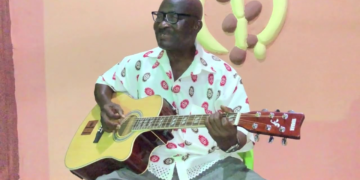














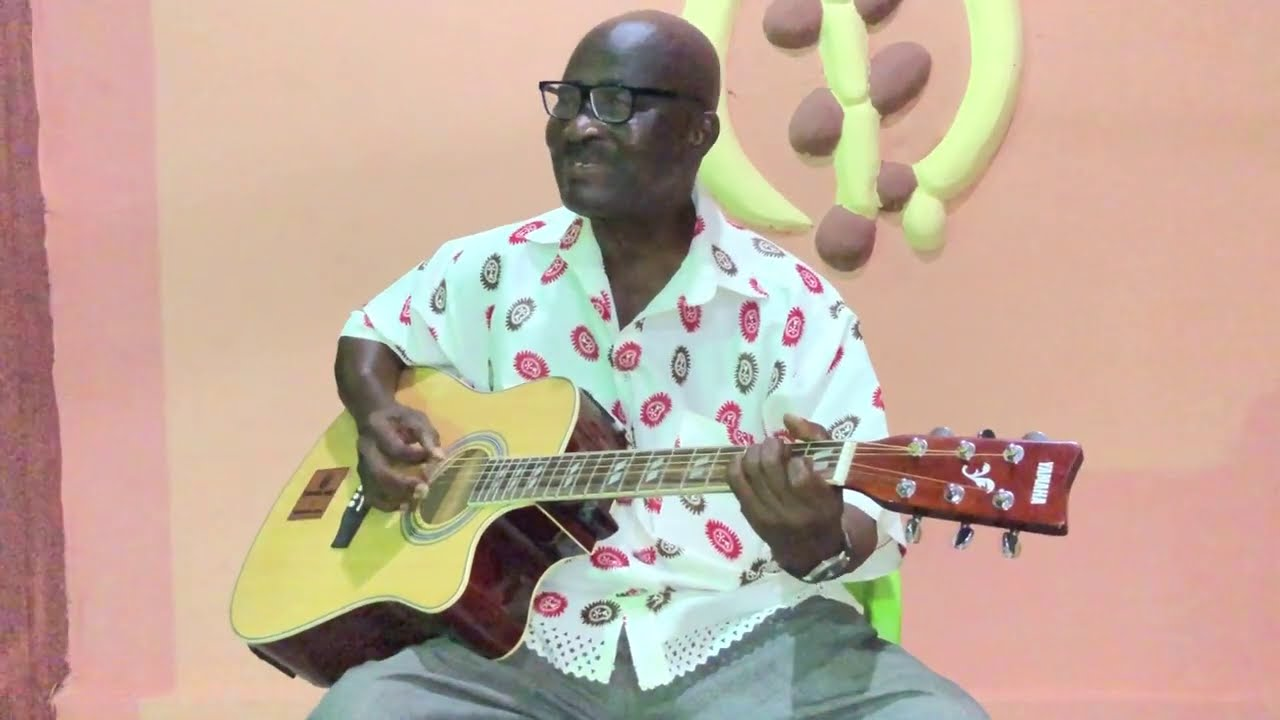
Ghana’s music industry has been thrown into mourning following the death of veteran Highlife musician and broadcaster Nana Safohene Djeni, popularly known as the “Nzema Bob Marley.”
News of the legendary musician’s death emerged on Thursday, September 3, 2026, prompting an outpouring of tributes from music lovers and admirers of his work.
Safohene Djeni was widely recognised for his contribution to Nzema Highlife, using music to promote the Nzema language, traditions and cultural identity of Ghana’s Western Region.
Born and raised in the Nzema area, Djeni developed an interest in music at an early age and later mastered both acoustic and electric guitar. His smooth, rhythmic guitar style became one of the defining features of his music and earned him the affectionate nickname “Nzema Bob Marley.”
Throughout his career, he worked with prominent musical groups, including T.D. Quarcoo’s Guitar Band and the Appolos International Band.
He also collaborated with other notable highlife musicians, including the late Jewel Ackah.
One of his best-known songs, Nea Ye Boe, helped cement his reputation as one of Ghana’s respected highlife musicians.
Unlike many musicians whose works focused primarily on romance, Djeni used his music to communicate wisdom, life lessons, proverbs and social commentary.
His ability to blend meaningful messages with traditional highlife rhythms distinguished his work.
In a recent interview, the veteran musician disclosed that he had recorded more than 100 songs across several albums.
His versatility was also reflected in his use of Nzema, Fante and Twi in his compositions.
His influence extended beyond his generation. In 2017, Ghanaian music duo Wutah revealed that their popular song Bronya was inspired by Safohene Djeni’s work, highlighting his influence on younger artistes.
His contribution to Ghanaian music was also recognised by the organisers of the 610Music Western Music Awards, which honoured him with a Lifetime Achievement Award.
Beyond music, Safohene Djeni was a respected Nzema radio broadcaster. Through broadcasting, he continued to connect with audiences while promoting the culture, language and musical heritage of the Western Region.
Even as hiplife, Afrobeats and other contemporary genres increasingly dominated Ghana’s music scene, Djeni remained a strong link to the country’s golden era of highlife.
Reports indicate that the veteran musician died after a short illness, although further details surrounding his death had not been officially confirmed at the time of reporting.
Safohene Djeni leaves behind a legacy of music, storytelling, cultural preservation and advocacy for indigenous-language music. His extensive catalogue, distinctive guitar style and dedication to Nzema Highlife have secured his place in Ghana’s rich musical history.
As Ghana mourns the man fondly remembered as the “Nzema Bob Marley,” his music remains a reminder of the power of indigenous languages and culture in shaping the country’s musical identity.
Safohene Djeni may have taken his final bow, but his music and cultural legacy will continue to resonate.