























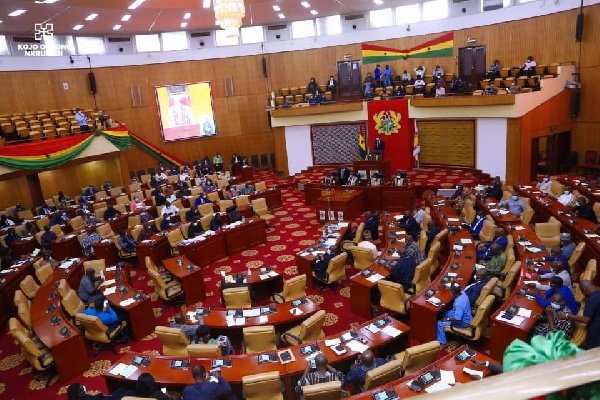
Parliament has passed the Tribunals Bill, 2026, paving the way for the establishment of tribunals to complement Ghana’s existing court system and improve access to justice across the country.
The passage of the bill followed extensive debate on the floor of the House, with the Majority supporting the proposal as a necessary intervention to address delays in the justice delivery system and reduce the growing backlog of cases in the courts.
The government maintains that the new tribunal system will expand public participation in judicial processes, improve the speed of adjudication and provide additional avenues for resolving disputes without overburdening the conventional courts.
Attorney-General and Minister for Justice, Dr Dominic Ayine, assured Parliament and the public that the proposed tribunals would operate within the framework of the 1992 Constitution and would not revive the abuses associated with tribunals under previous political dispensations.
According to him, the tribunals are intended to complement rather than replace the existing judicial system while promoting the expeditious administration of justice.
He further stressed that the new framework includes safeguards to protect human rights and ensure fairness and transparency in proceedings.
The passage of the bill, however, was strongly opposed by the Minority in Parliament, which argued that Ghana’s existing courts are capable of delivering justice if adequately resourced and strengthened.
Leading the opposition to the bill, the Member of Parliament for Damongo, Samuel Abu Jinapor, warned that tribunals could become vulnerable to political interference and victimisation, citing Ghana’s historical experience with similar institutions.
The Minority insisted that efforts should instead focus on improving the efficiency, independence and capacity of the conventional courts rather than creating what it described as a parallel judicial structure.