







Three major water treatment plants serving parts of the Western and Central regions are set for rehabilitation after the Ghana Gold Board (GoldBod) committed GH¢8.4 million to the project under a partnership with Ghana Water Limited (GWL).
The intervention targets the Bonsa, Daboase and Sekyere Heman systems, where years of rising turbidity linked to illegal mining, sand winning and other environmental pressures have affected water treatment and supply.
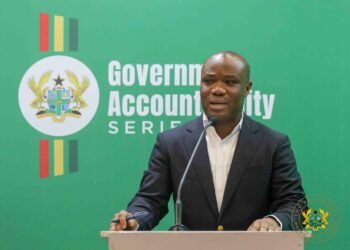
GoldBod Chief Executive Officer Sammy Gyamfi said the Board did not immediately approve GWL’s request for funding when it was submitted in October 2025. Instead, it deployed a technical team from its Environmental, Social and Governance (ESG) Unit to independently examine the condition of the affected facilities before making a decision.
The assessment confirmed that immediate rehabilitation was necessary, leading GoldBod to finance the first phase of the programme, while the remaining treatment plants at Baifikrom, Kwanyako and Essagyir are expected to be considered under a second phase.
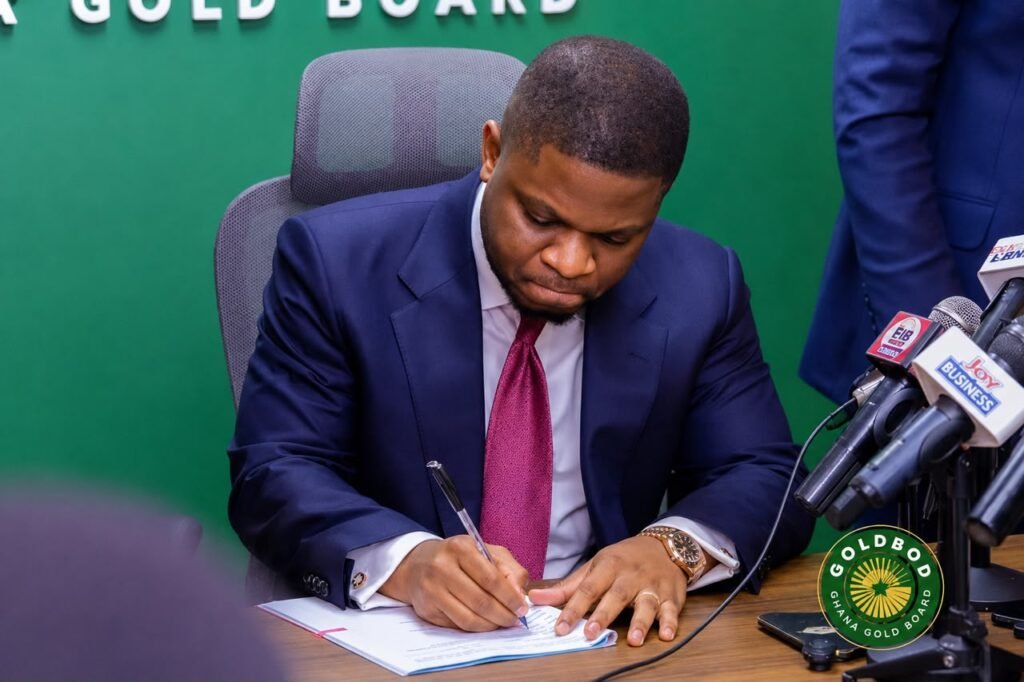
Explaining the Board’s decision, Mr. Gyamfi said access to safe drinking water made the intervention necessary despite the challenges predating GoldBod’s establishment. “Coupled with our corporate social responsibility policy, the GoldBod has taken interest in projects that are aimed at restoring our environment and protecting the ecological integrity of our society,” he said.
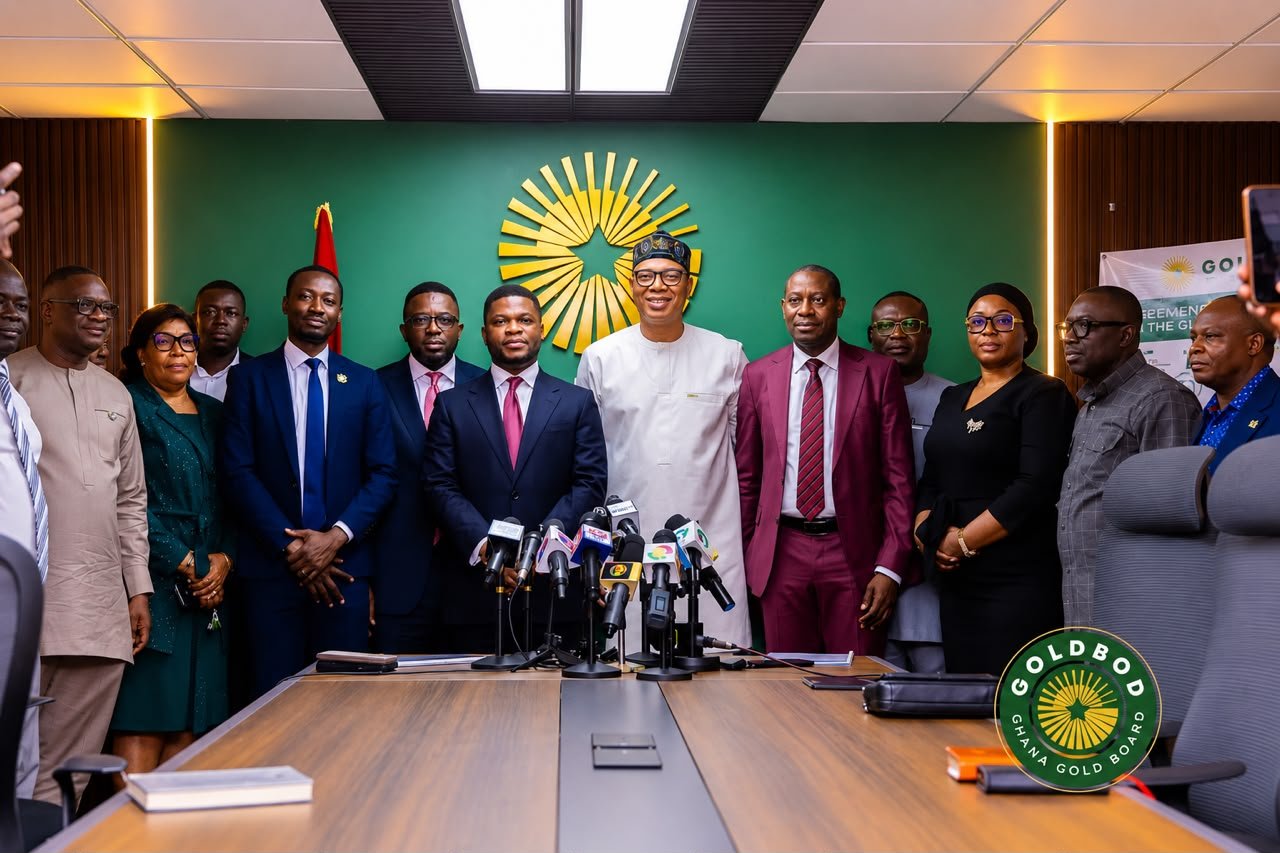
Rather than providing funds without oversight, GoldBod signed an implementation agreement with Ghana Water Limited that clearly defines the responsibilities of both institutions. While GWL will undertake the rehabilitation works, GoldBod will monitor progress throughout the project to ensure the agreed standards are met.
GWL Managing Director Adam Mutawakilu described the funding as a major boost, revealing that the three treatment plants have struggled with excessive turbidity for the past nine years, reducing their operational capacity. He said the rehabilitation costs were beyond the company’s financial capacity and assured GoldBod that the project would be executed in line with the agreement.
The rehabilitation forms part of GoldBod’s broader sustainability agenda, combining environmental protection with investments aimed at improving essential public infrastructure and services.