

























The Minister for the Interior, Muntaka Mohammed-Mubarak, has revealed that government is considering the introduction of mandatory drug and mental health screening for applicants seeking employment in the public sector.
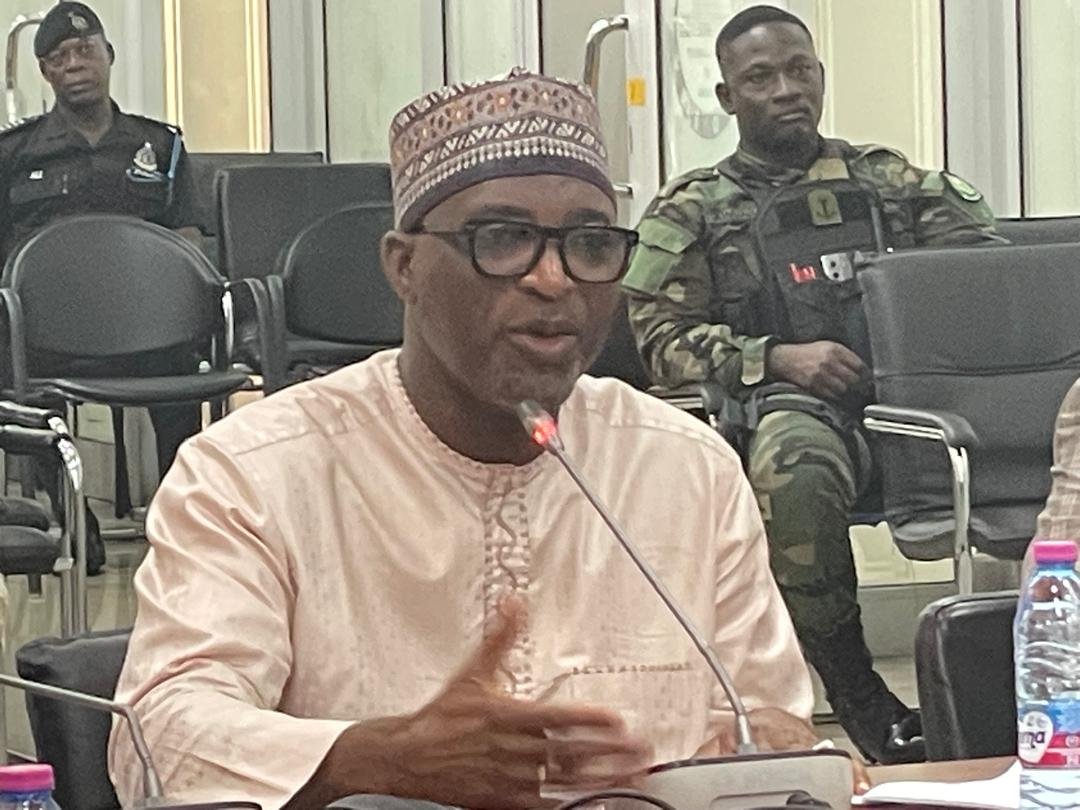
Speaking during a hearing of the Public Accounts Committee of Parliament, the Minister said the proposal has already been submitted to Cabinet for consideration as part of efforts to curb drug abuse among students and young people.
According to Mr. Mohammed-Mubarak, the policy would require prospective public sector employees to meet prescribed mental health and drug-free standards before being offered employment.
He explained that the move is intended not only to protect the integrity and efficiency of the public service but also to serve as a deterrent to drug abuse among the youth.
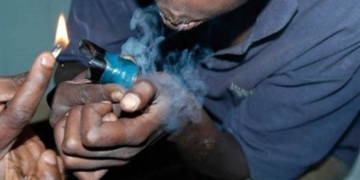
The Minister noted that awareness that drug use could jeopardise future career prospects in professions such as teaching, nursing, the military and law enforcement could discourage many young people from engaging in substance abuse.
Mr. Mohammed-Mubarak disclosed that a pilot exercise conducted during a recent public sector recruitment exercise led to the disqualification of more than 6,000 applicants who failed drug and mental health assessments, highlighting what he described as the urgent need for stricter screening measures.
He said the proposed policy forms part of a broader national strategy aimed at addressing substance abuse through preventive education, school-based awareness programmes, rehabilitation, enforcement of narcotics laws and efforts to dismantle drug trafficking networks.
The Interior Minister further announced that government is working towards establishing a state-owned rehabilitation centre to improve access to treatment services for individuals battling addiction, noting that the country currently relies largely on private and faith-based rehabilitation facilities.
He stressed that tackling drug abuse requires a combination of sustained public education, effective deterrence measures and strong law enforcement, adding that protecting young people from substance abuse is critical to safeguarding the country’s future workforce and promoting national development.