










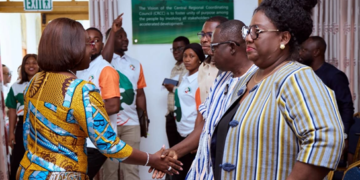






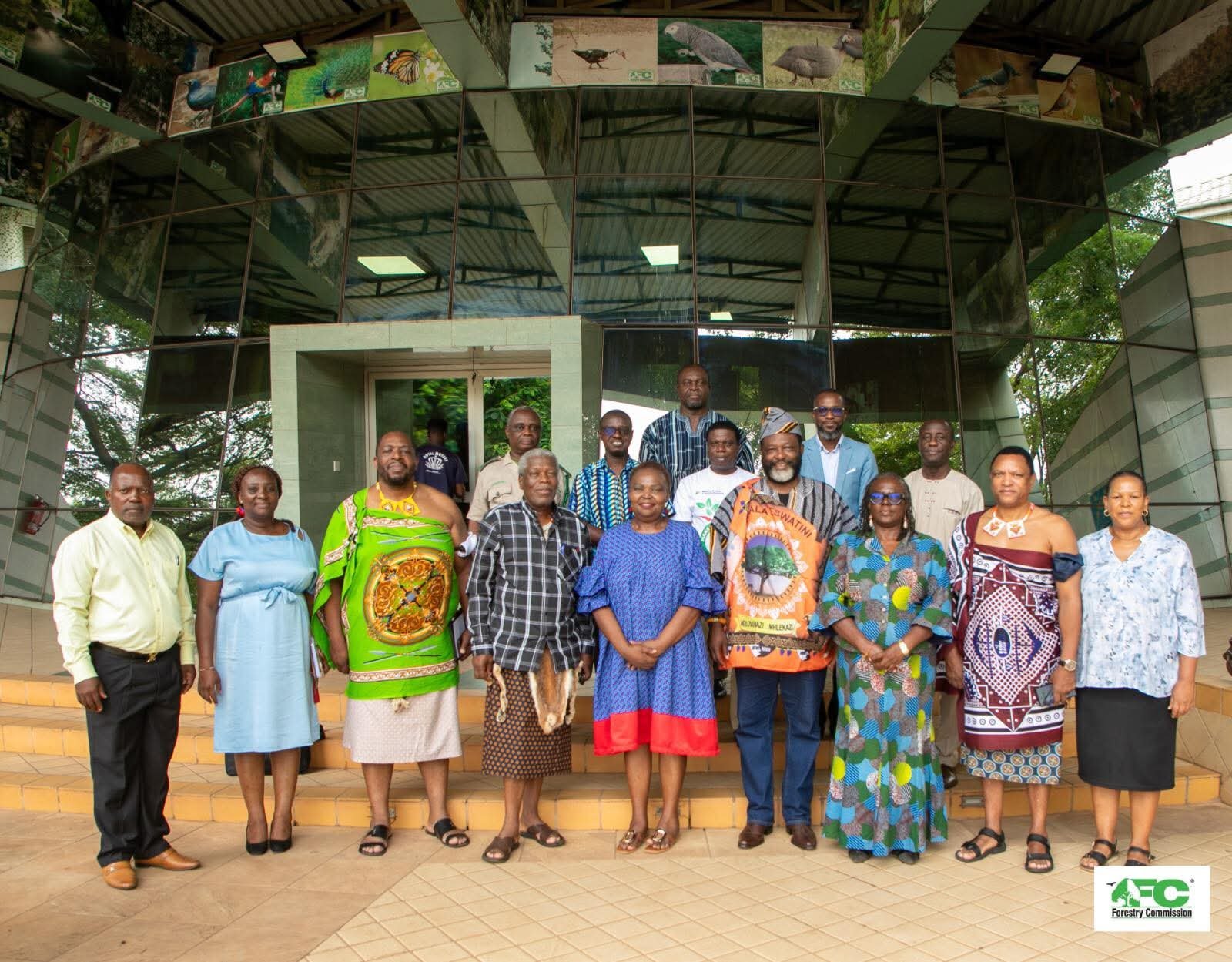
The Forestry Commission (FC) has hosted a delegation from the Kingdom of Eswatini and representatives of the United Nations Development Programme (UNDP) Ghana on a learning visit to explore Ghana’s Community Resource Management Area (CREMA) model.
The visit was aimed at helping Eswatini gain practical knowledge of Ghana’s community-based natural resource management system, with a focus on stakeholder engagement, benefit-sharing arrangements and strategies for promoting sustainable forest and wildlife conservation.
Held at the Forestry Commission Boardroom, the engagement provided the delegation with insights into the policy and legal framework guiding the implementation of CREMAs in Ghana.
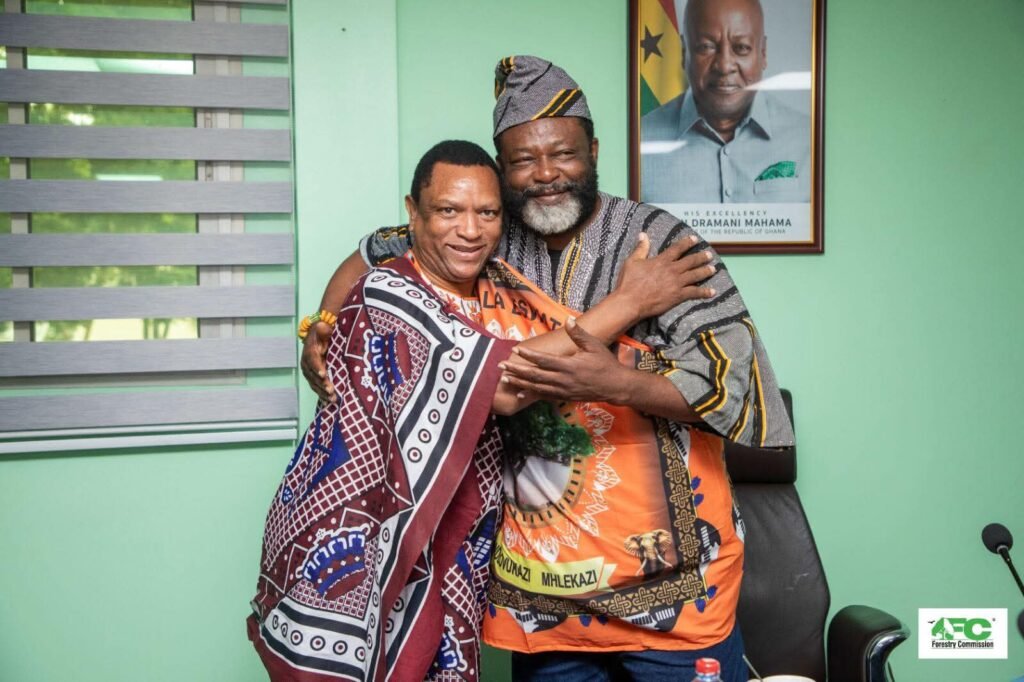
Discussions also covered implementation experiences, challenges and opportunities for future collaboration between the two countries.
The CREMA concept, developed by the Wildlife Division of the Forestry Commission, is a community-based governance model that promotes collaborative management of forest and wildlife resources while improving livelihoods and conserving biodiversity.
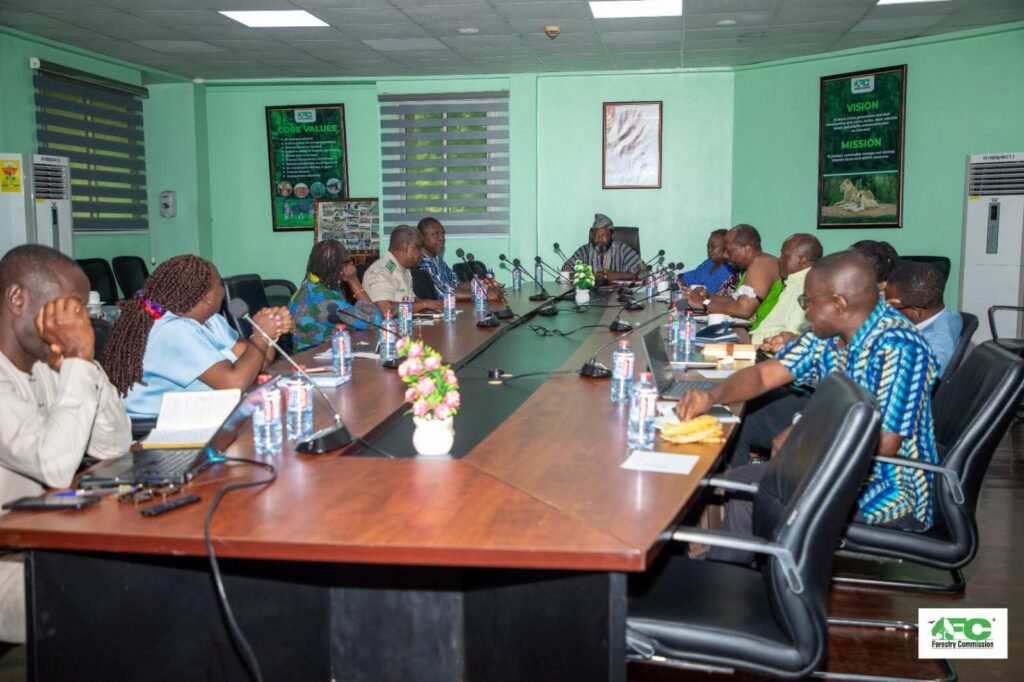
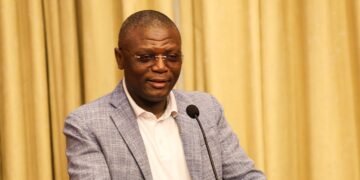
Welcoming the delegation, Acting Deputy Chief Executive of the Forestry Commission, Timothy Ataboadey Awontiirim, assured the visitors of a productive engagement.
“He highlighted the longstanding partnership between the FC and UNDP, noting the critical role both institutions have played in expanding and strengthening the CREMA model across Ghana.
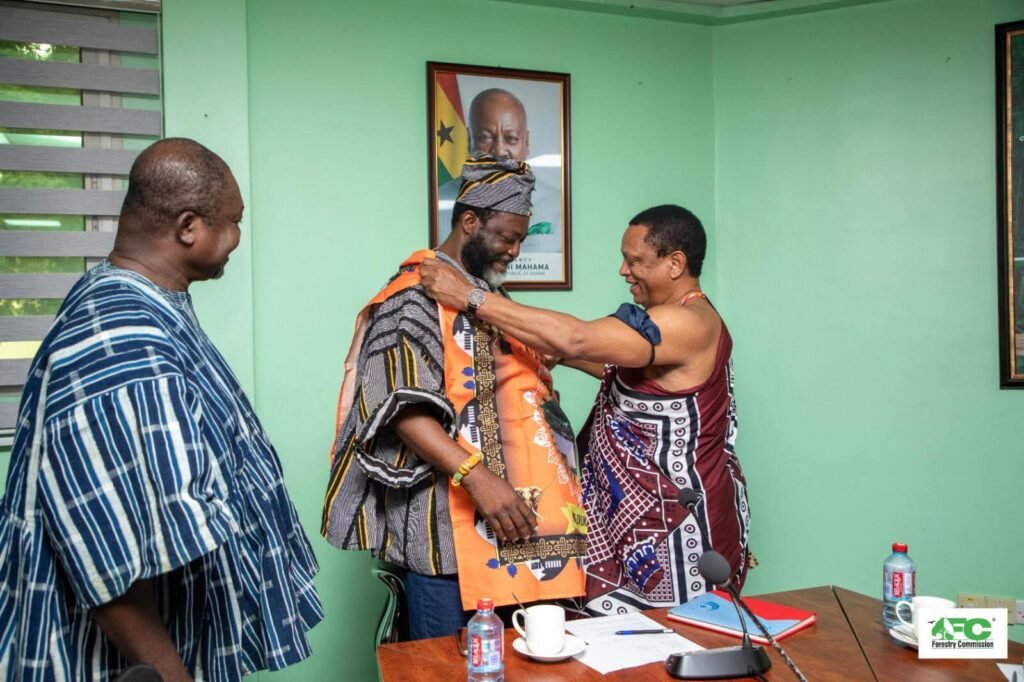
He also underscored the importance of sustaining and deepening this collaboration to promote community-led conservation and sustainable natural resource management.”
The Operations Manager in charge of Stakeholders at the Wildlife Division, Joseph Binlinla, took the delegation through the evolution of the CREMA model, explaining how it has empowered communities to become active participants in forest protection and biodiversity conservation.

He also outlined livelihood programmes implemented within CREMAs, including beekeeping, ecotourism, agroforestry and the development of non-timber forest products, which help improve household incomes while reducing pressure on forests and wildlife.
Participants engaged in discussions on the establishment and governance of CREMAs, community participation in decision-making, conflict resolution mechanisms and the role of traditional authorities in local resource governance.
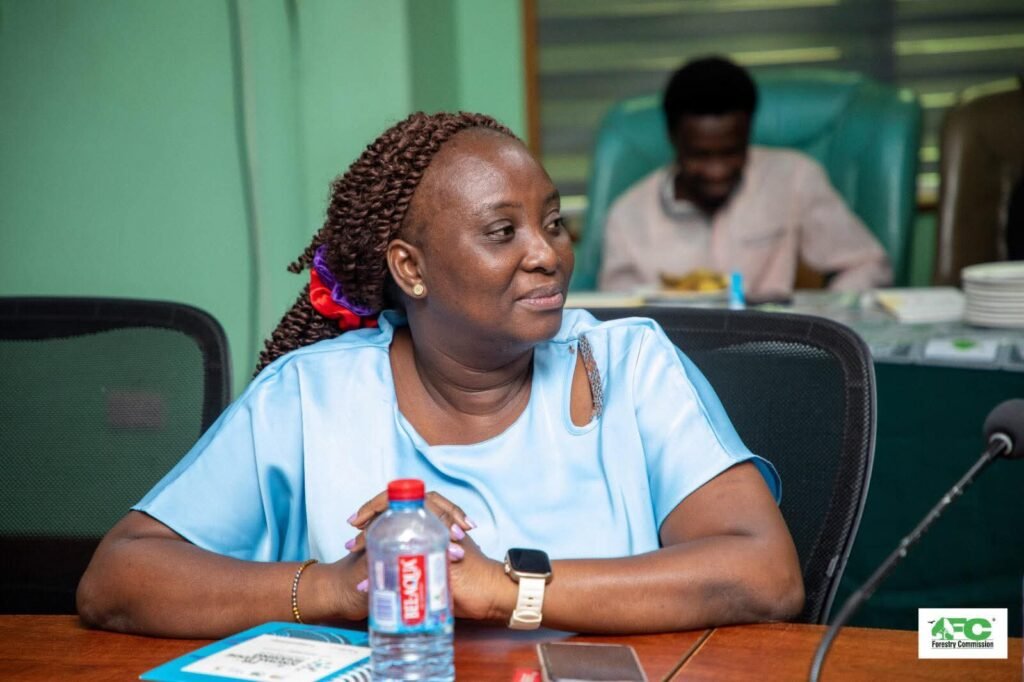
They also stressed that continuous stakeholder engagement, institutional capacity building and community ownership remain essential for the long-term success of community-based conservation initiatives.
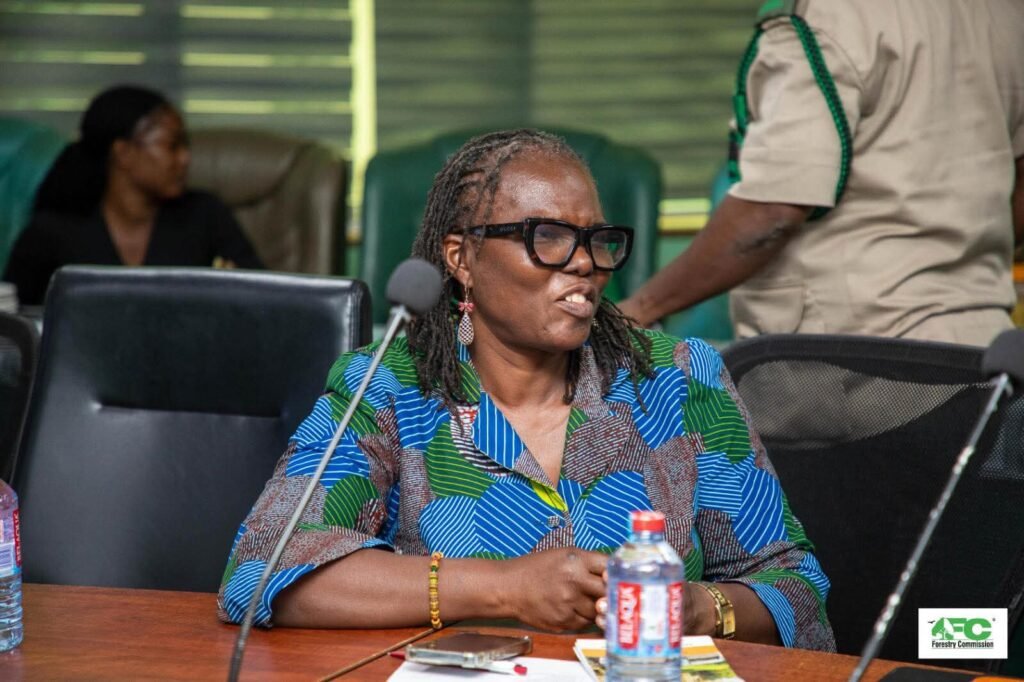
Speaking on behalf of the Eswatini delegation, Principal Secretary Madam Nonhlanhla Dlamini praised Ghana’s approach to community-based conservation.
“Ghana’s CREMA model had demonstrated how meaningful community involvement could significantly improve conservation outcomes while reducing the illegal exploitation of natural resources.”
She further commended the country’s collaborative approach.
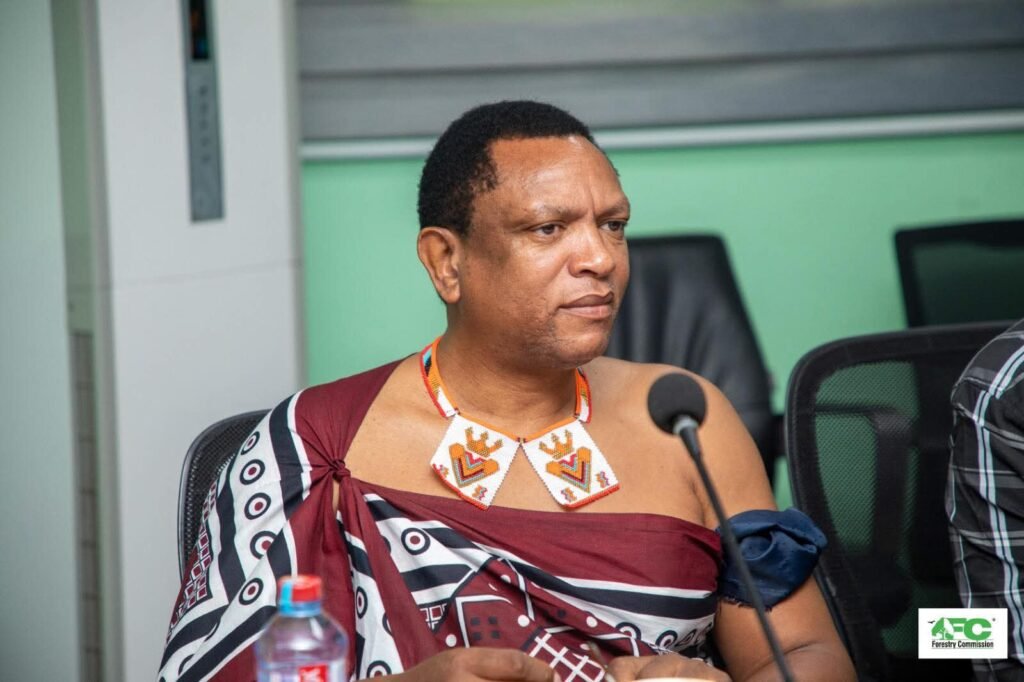
“She further praised the effectiveness of the benefit-sharing arrangements and the strong collaboration among government institutions, traditional authorities, civil society organisations and local communities, describing the Ghanaian experience as a valuable model from which Eswatini could draw lessons.”
The meeting was attended by senior officials of the Forestry Commission, including Acting Director of Operations (Protected Areas), Mr. Enoch Amasa Ashie; Operations Manager (Protected Areas), Richard Ofori-Amanfo; Human Resource Manager, Stella Sankah; Operations Manager (Wetlands and General Services), Eric Atta-Kusi; Public Relations Manager, Ernestina Anie, among others.
As part of the visit, members of the Eswatini delegation planted tree seedlings within the Forestry Commission’s premises in support of the Tree for Life Reforestation Initiative, reaffirming their shared commitment to environmental sustainability.