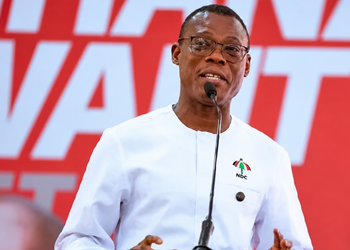

























Former Minister of Lands and Natural Resources and Ranking Member of Parliament’s Foreign Affairs Committee, Samuel Abu Jinapor, has called for the establishment of a formal evacuation policy and legal framework to guide Ghana’s response to crises involving its citizens abroad.
He said Ghana’s recent evacuation exercises highlight the need for a structured national system rather than ad hoc responses during emergencies.
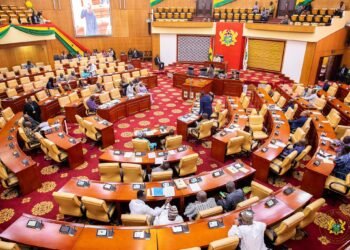
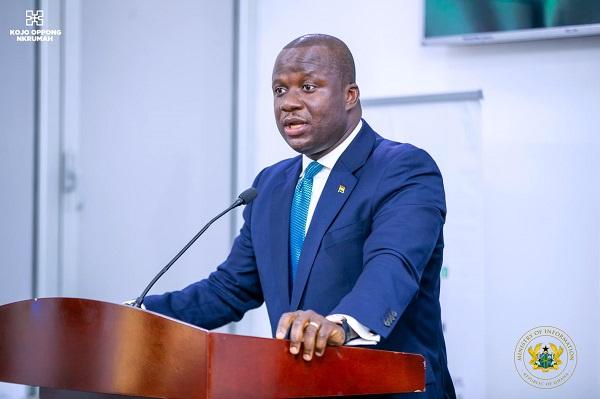
His comments followed a parliamentary statement by the Majority Chief Whip, Narlson Rockson Dafeamekpor, and come against the backdrop of Ghana’s evacuation of 2,262 citizens from South Africa during xenophobic attacks, as well as the repatriation of about 8,000 Ghanaians during the COVID-19 pandemic.
Mr. Abu Jinapor argued that these experiences should prompt policymakers to institutionalise evacuation procedures to ensure quicker, more coordinated responses in future crises.
He further broadened the discussion to the question of African unity, referencing historical and cultural ties that predate colonial borders established under the 1884–1885 Berlin Conference.
He noted that many communities across West Africa share ethnic and social linkages that transcend modern state boundaries.
Citing examples of Ghanaian communities in Côte d’Ivoire and other cross-border ethnic groups, he pointed to long-standing arguments rooted in the Manden Charter of 1235 and the African philosophy of Ubuntu, which emphasizes shared humanity and mutual responsibility.
Mr. Abu Jinapor said recent global crises, including the COVID-19 pandemic and xenophobic attacks in South Africa, have demonstrated the importance of continental solidarity and coordinated state responses to protect vulnerable citizens.
He stressed that women and children are often the most affected during emergencies, making a strong evacuation framework essential for safeguarding human dignity.
According to him, a formal policy would improve Ghana’s preparedness, reduce response delays, lower operational costs, and strengthen public trust in government institutions.
He maintained that protecting citizens abroad is not only a logistical responsibility but also a moral obligation tied to national dignity and effective governance.