





















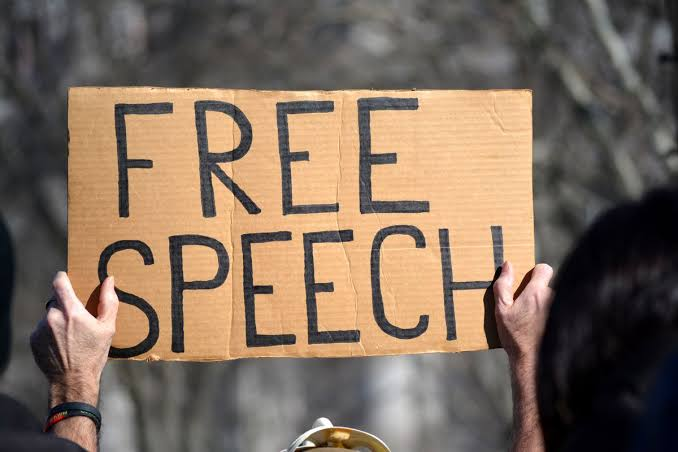
A policy analysis by the Radiant Media and Intelligence Hub has called for clearer public guidance on the distinction between constitutionally protected free speech and harmful or unlawful speech in Ghana.
The August 2026 policy brief, titled “Free Speech vs Harmful Speech: What Ghana’s Cyber, Communications, and Criminal Laws Say,” examines the legal framework governing speech in both traditional and digital spaces.
The analysis highlights Article 21(1)(a) of the 1992 Constitution, which guarantees freedom of speech and expression, while noting that the right is subject to lawful restrictions aimed at protecting public morality and the rights and freedoms of others.
It also examines provisions under the Cybersecurity Act, 2020 (Act 1038), the Electronic Communications Act, 2008 (Act 775), and the Criminal Offences Act, 1960 (Act 29), which regulate various forms of harmful or unlawful communication.
According to the policy brief, peaceful criticism of government, political opinions, journalistic reporting and satire generally fall within the scope of protected expression, provided they do not cross into unlawful conduct such as incitement to violence or threats.
It identifies hate speech, certain forms of misinformation and disinformation, threats, extortion, incitement to violence and fraudulent communications as areas where speech may attract legal consequences.
The report further warns that the rapid spread of false or misleading information through digital platforms presents growing challenges for law enforcement, regulators, media organisations and the public.
It calls for interventions that are clear, proportionate and consistent with constitutional rights to prevent efforts to curb harmful content from unnecessarily restricting legitimate democratic debate.
The policy analysis also highlights the roles of institutions including the Cyber Security Authority and the National Communications Authority in addressing risks associated with digital and electronic communications.
Among its recommendations, the Radiant Media and Intelligence Hub is urging authorities to develop and publish accessible guidelines explaining the difference between protected expression and unlawful harmful speech.
It is also advocating greater collaboration among government agencies, media organisations, civil society groups and digital platforms to improve public awareness of citizens’ digital rights and responsibilities.
The report argues that nationwide education campaigns could help citizens better understand the legal boundaries surrounding online expression and reduce the spread of harmful content.
It concludes that Ghana’s legal framework should continue to protect freedom of expression while safeguarding public safety, individual rights and social stability.
.