






















The Chamber of Oil Marketing Companies (COMAC) has raised concerns about the passage of Section 136 of the Customs Act, 2026 (Act 1179). COMAC says the downstream petroleum industry was not adequately consulted before the provision became law.
Section 136 changes how petroleum taxes are collected. It shifts the tax obligation from Oil Marketing Companies (OMCs) and LPG Marketing Companies (LPGMCs) to Bulk Import, Distribution and Export Companies (BIDECs).
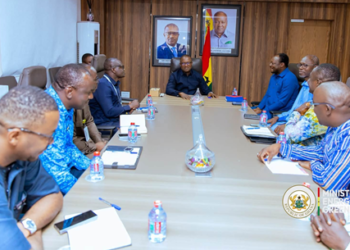
COMAC says it was not consulted before the change was enacted. The Chamber says this is despite its regular engagements with the Ghana Revenue Authority (GRA), the National Petroleum Authority (NPA), and the Ministries of Finance and Energy and Green Transition.
It is now questioning the basis for the new tax arrangement. COMAC says the government should have provided evidence on its likely impact on businesses and consumers.
The Chamber says the assessment should have covered working capital, credit, fuel supply and pump prices. “A post-passage implementation meeting, in COMAC’s view, constitutes notification, not consultation,” it said.
COMAC is also seeking clarity on why the tax obligation was moved from OMCs and LPGMCs to BIDECs.
According to the Chamber, key documents have not been shared with the industry. These include an impact assessment, explanatory memorandum, transitional plan and financing arrangement.
COMAC is therefore calling for the immediate and indefinite suspension of Section 136.
It also wants the government to maintain the existing tax collection system. Under that system, BIDECs would continue to pay import duties and port charges at importation.
OMCs and LPGMCs would continue to account for taxes and levies at the ex-pump stage.
The Chamber is also calling for an independent review of non-bonded status grants and system overrides. It wants the review to address outstanding questions about petroleum products and impounded diesel tankers.
Despite its concerns, COMAC says it is ready to work with the government. The aim, it says, is to strengthen compliance and revenue mobilisation.
“We stand ready to engage constructively toward a shared resolution to safeguard our members and national energy security,” the Chamber said.