

















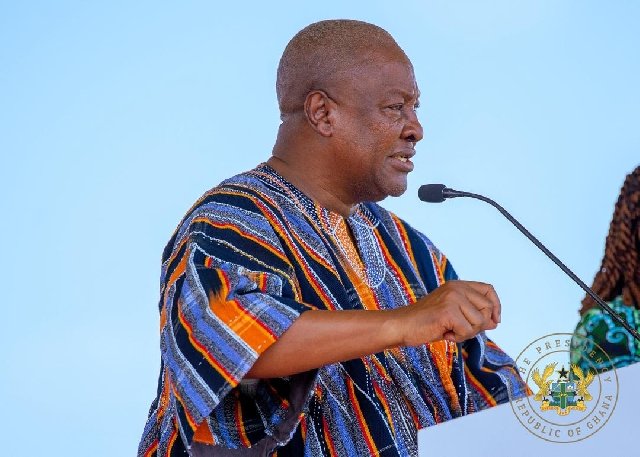
President John Dramani Mahama has announced plans to formalise and document chieftaincy succession processes in the Upper West Region as part of efforts to reduce disputes and promote lasting peace in traditional areas.
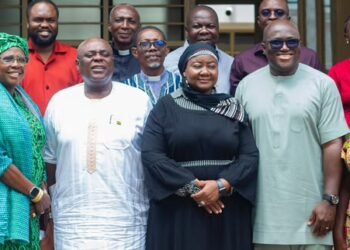
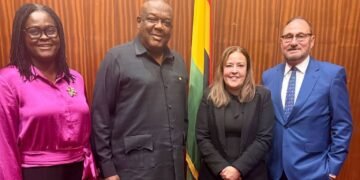
The President made the announcement when members of the Upper West Regional House of Chiefs paid a courtesy call on him at the Jubilee House on Wednesday, July 8.
According to President Mahama, the proposed reforms will involve documenting recognised royal families, succession gates and rotational arrangements to bring greater clarity to the selection of chiefs and prevent succession-related conflicts.
He commended the Regional House of Chiefs for its contribution to maintaining peace and stability in the Upper West Region, particularly at a time when several countries within the Sahel continue to face security challenges.
“Peace remains the foundation of prosperity, and I commend the Regional House of Chiefs for its role in keeping the Upper West as one of Ghana’s most peaceful regions amid the instability in the wider Sahel area,” the President stated.
President Mahama, however, expressed concern over increasing disputes surrounding traditional succession, attributing some of the challenges to undue influence and financial inducements during the selection of chiefs.
He observed that in some instances, individuals who are not legitimate members of the appropriate royal lineage are presented for installation, a situation he said often fuels tensions and conflicts within traditional communities.
According to him, a codified succession system would clearly identify the recognised royal families, succession gates and the order of rotation for occupying stools and skins, thereby reducing uncertainty and disputes.
The President expressed confidence that the initiative would strengthen traditional governance structures and contribute significantly to sustaining peace in communities across the country.
“If we codify the families and the various gates and the rotational succession, we should have more peace in this country than we have seen lately,” he added.