

















Development is a continuous process that should transcend political administrations. As citizens of Ghana, we all have a shared responsibility and interest in ensuring that critical national development projects are completed and sustained, regardless of which government is in power.
Projects that have been identified as priorities should not be abandoned because of changes in political leadership, party affiliation or policy direction. National development must always take precedence over partisan interests.
Among the sectors that require sustained attention are education, healthcare, road infrastructure, food security and housing. These are fundamental pillars of national development and directly affect the quality of life of every Ghanaian.
Education
Successive governments have made significant contributions to the country’s educational sector, building on the foundation laid by Osagyefo Dr. Kwame Nkrumah. Policies such as the Free Senior High School programme and free tuition for first-year students in public tertiary institutions have helped reduce the financial burden on parents and guardians while expanding access to education.
These initiatives deserve commendation and should be strengthened to ensure that every Ghanaian child has the opportunity to receive quality education.
Healthcare
The health sector also deserves continued investment and support, particularly in rural communities where access to quality healthcare remains a challenge.
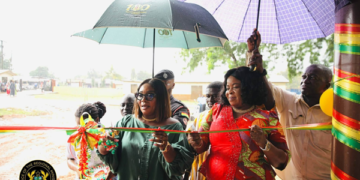
Many communities have demonstrated remarkable commitment by constructing Community-based Health Planning and Services (CHPS) compounds through self-help initiatives. A good example is the people of Abrobiano in the Komenda-Edina-Eguafo-Abirem (KEEA) Municipality, who have mobilised resources to build a CHPS compound for their community.
Government should complement such efforts by deploying qualified nurses, midwives and other health professionals to these facilities once they are completed and commissioned. This will ensure that the intended benefits of these community-led initiatives are fully realised.
Road Infrastructure and Transportation
Road infrastructure remains a critical driver of economic growth and national development. Although significant progress has been made in several parts of the country, much more needs to be done, particularly in urban centres such as Accra.
During the rainy season, poor drainage systems contribute to severe flooding, traffic congestion, road accidents and the destruction of property. Addressing these challenges requires improved drainage infrastructure, regular maintenance and better urban planning.
Transportation also deserves greater attention. Metropolitan, Municipal and District Chief Executives should undertake feasibility studies to identify communities with limited access to public transport. Such assessments would help government deploy transport services to underserved areas, particularly where growing populations and expanding settlements have created transportation difficulties.
Improved transport accessibility would enhance economic activities, facilitate movement and improve the overall quality of life for residents.
Food Security and Housing
Food security and affordable housing are equally essential to national development.
Agriculture remains the backbone of the economy and must receive sustained investment to ensure the availability of affordable food while creating employment opportunities. Government should continue to support local farmers and encourage Ghanaians to patronise locally produced food.
Housing also remains a major concern. Rising accommodation costs continue to place pressure on many families. Policies aimed at increasing affordable housing and improving living conditions should remain a national priority to ensure that citizens can live in safe, healthy and dignified environments.
Conclusion
Ghana’s development requires continuity, commitment and collaboration. Successive governments have each contributed to national progress, and these efforts should be acknowledged and built upon rather than discontinued.
As a nation, we must prioritise policies and projects that improve the lives of our people regardless of political differences. By ensuring continuity in education, healthcare, infrastructure, food security and housing, Ghana can achieve sustainable development that benefits both present and future generations.