





















Ghana’s inflation has started climbing again after months of steady declines, prompting the Bank of Ghana to closely watch price developments as it weighs its next monetary policy decision.
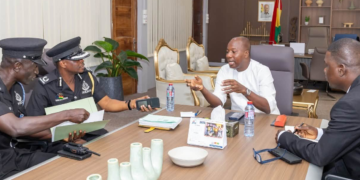
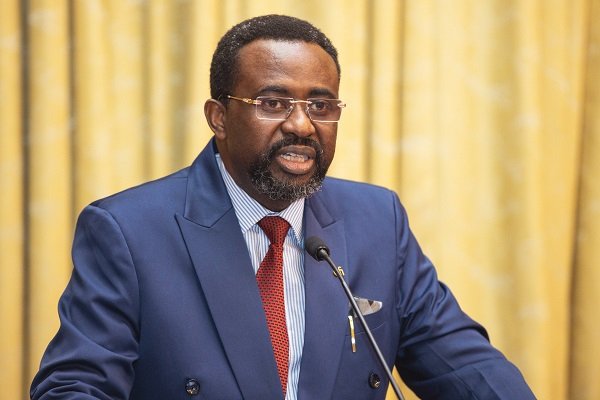
Opening the 131st Monetary Policy Committee meeting on Monday, July 20, Governor Dr. Johnson Asiama said headline inflation has increased for three straight months, rising from 3.2% in March to 5.3% in June. He attributed much of the increase to higher transport and haulage costs.
“The prolonged disinflation phase has ended, and inflation is now returning towards the target band,” Dr. Asiama said.
He noted that while inflation remains within the central bank’s target range, domestic price pressures are beginning to build as economic activity strengthens.
The governor also pointed to growing external risks, warning that renewed tensions around the Strait of Hormuz have lifted Brent crude prices above US$85 per barrel, raising the possibility of higher imported inflation for Ghana.
“For Ghana, as a commodity-exporting yet energy-importing economy, these developments reinforce the need to assess carefully the extent to which external cost pressures may influence domestic inflation,” he said.
Dr. Asiama added that the cedi has remained relatively stable through the first half of July, helping to cushion the impact of rising global prices.
The MPC is expected to announce its latest policy rate decision later this week, with investors looking for guidance on how the central bank will balance inflation risks against the need to sustain economic growth.