
























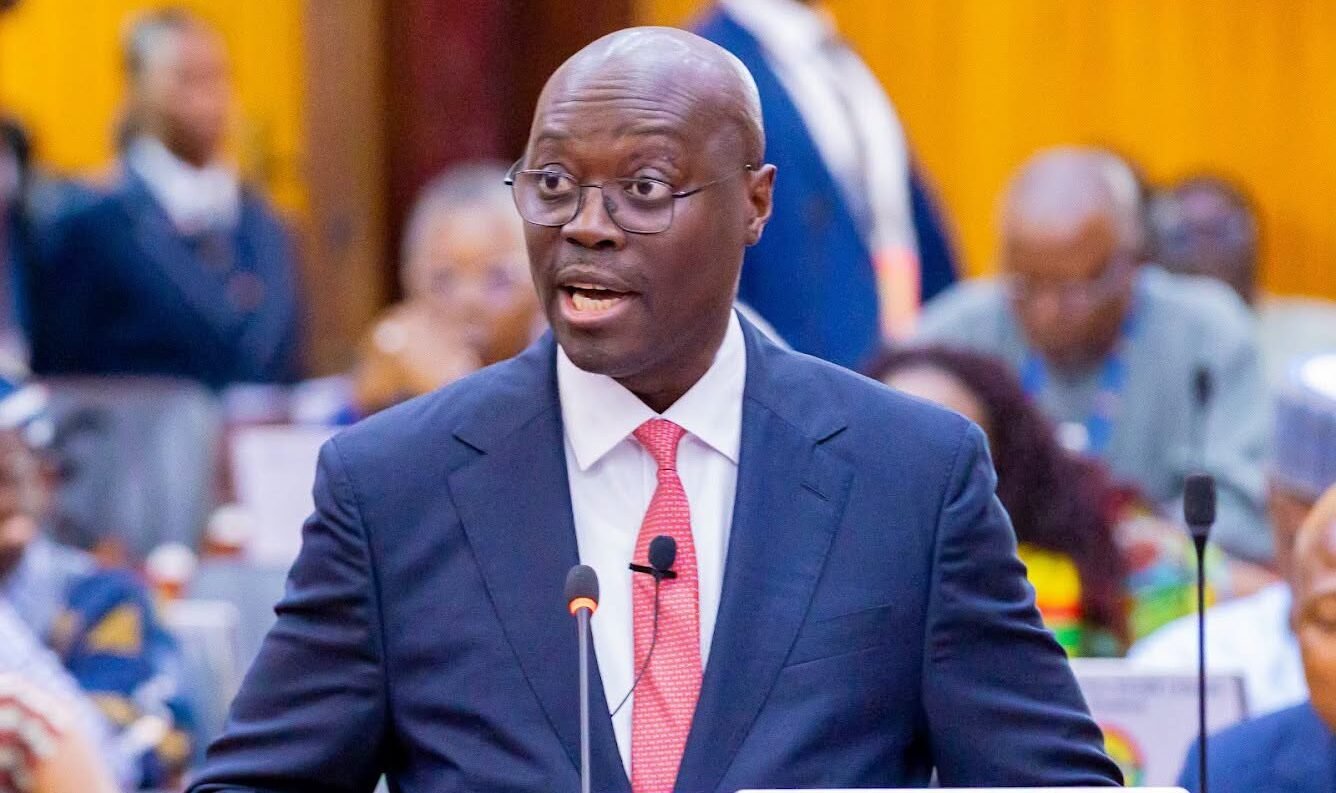
Finance Minister Dr. Cassiel Ato Forson has called for stronger measures to prevent waste in public spending, recover funds owed to the state and ensure public resources are used for their intended purposes.
He said Ghana could not afford to waste public funds, stressing that every cedi collected by the state should translate into services and development for citizens.
In a post on X on Friday, October 9, Dr. Forson said public money could be used to provide medicines, repair classrooms, improve markets and maintain feeder roads, warning that wasteful spending comes at the expense of essential services.
“Ghana does not have the luxury of wasting public resources,” he said.
“Every cedi has a job waiting for it. It can buy medicine, repair a classroom, distill a drink, improve a market, or maintain a feeder road.”
He argued that the failure to collect, protect or properly spend public funds could deprive people of services they need.
“So when a cedi is wasted, left uncollected, or poorly spent, somebody somewhere loses a service,” he said.
The Finance Minister repeated the point, emphasising the need for accountability in the management of public resources.
“That is why recovering every cedi cannot remain just a slogan on our banners. It must become a way of working,” he said.
Dr. Forson outlined the measures he believes should guide public financial management, including collecting revenue due to the state, protecting funds collected, spending within approved limits and accounting for expenditure.
“Collect what is due the state. Protect what is collected. Spend what is approved. Account for what is spent. Recover what is owed and prevent it from happening again,” he said.
In a separate message accompanying the remarks, the Finance Minister reiterated that every cedi must serve a public purpose.
“Every cedi carries a duty: to build, repair, protect and serve,” he wrote.
He added, “We must therefore collect what is due, account for what is spent, recover what is owed, and stop waste before it steals from the people.”
The comments underscore the importance of revenue mobilisation, expenditure controls and accountability in ensuring that public funds support essential services and national development.