






















Vice President Professor Naana Jane Opoku-Agyemang has highlighted the significant contributions of African women to business, community development and national economies, arguing that many exercise leadership responsibilities without receiving adequate recognition.
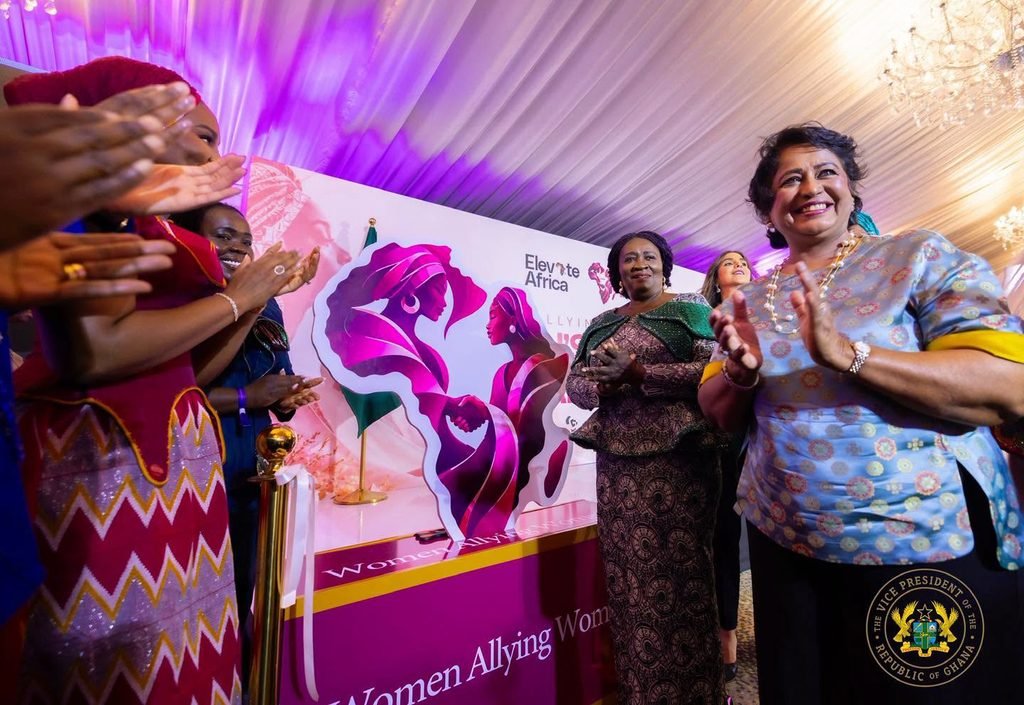
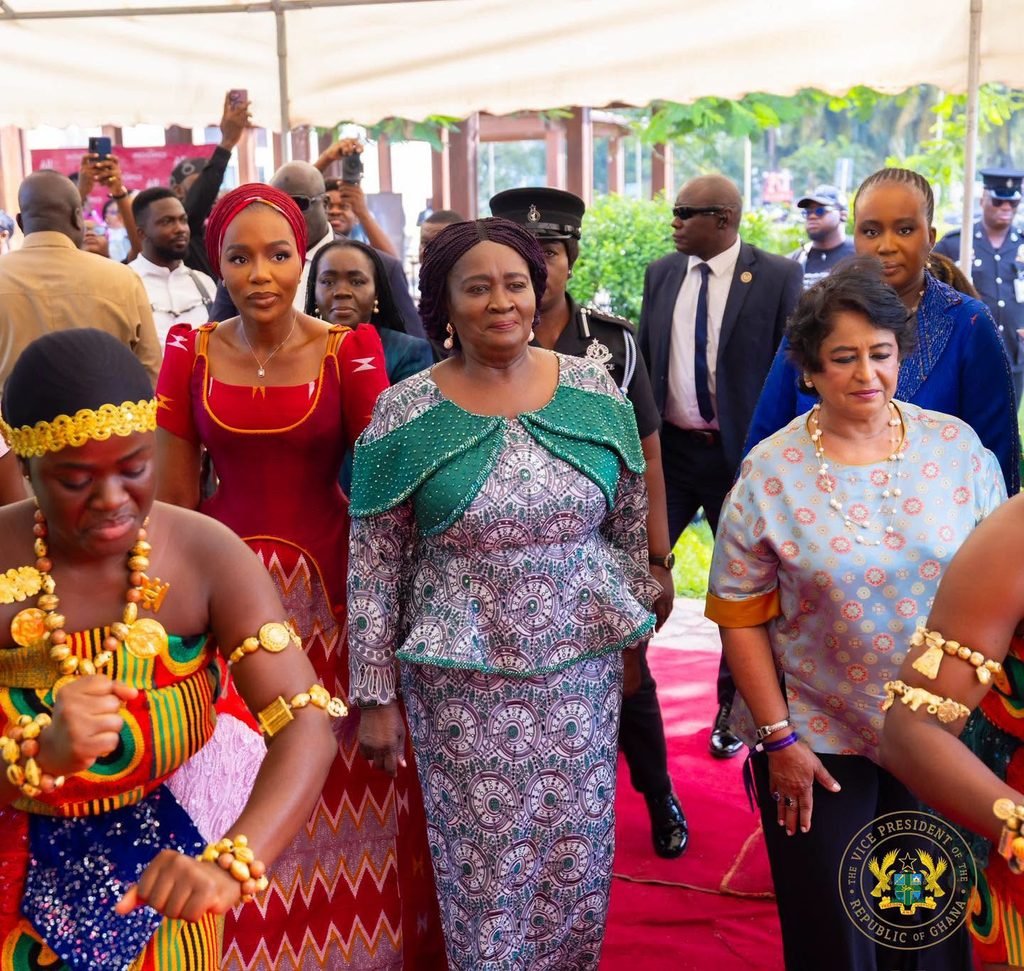
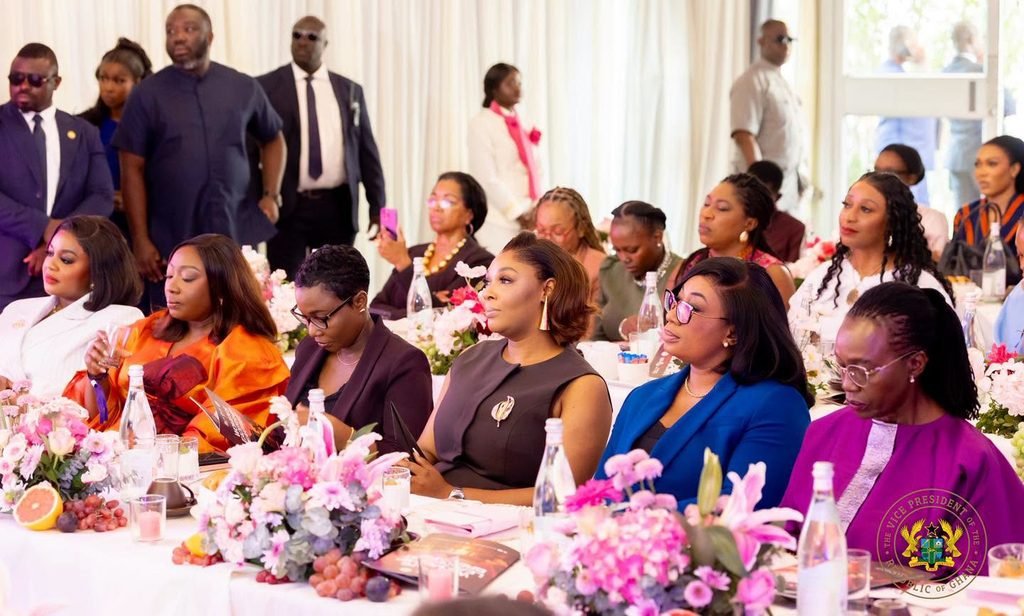
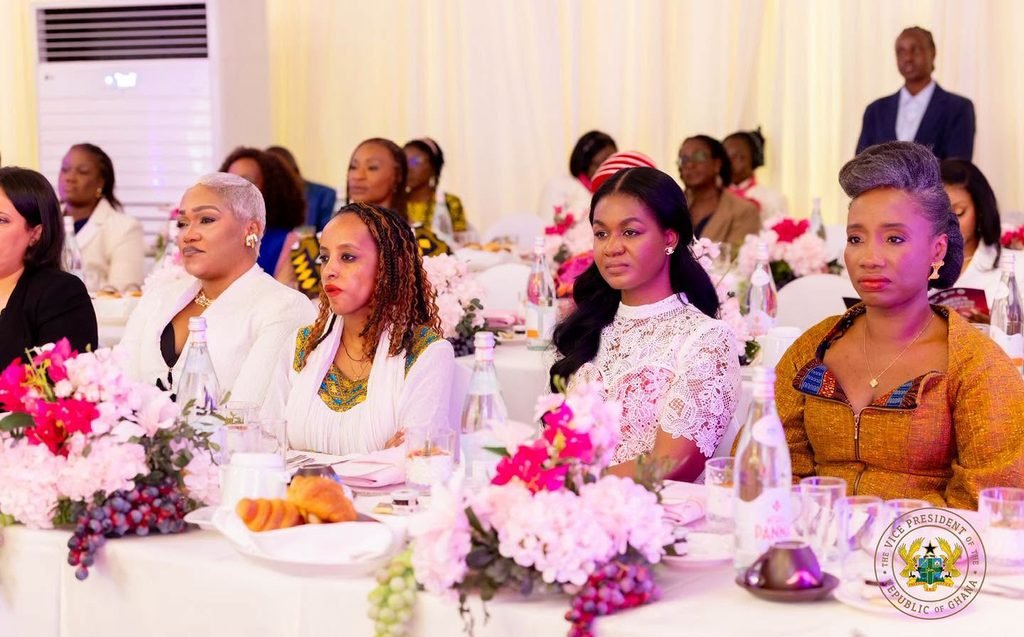
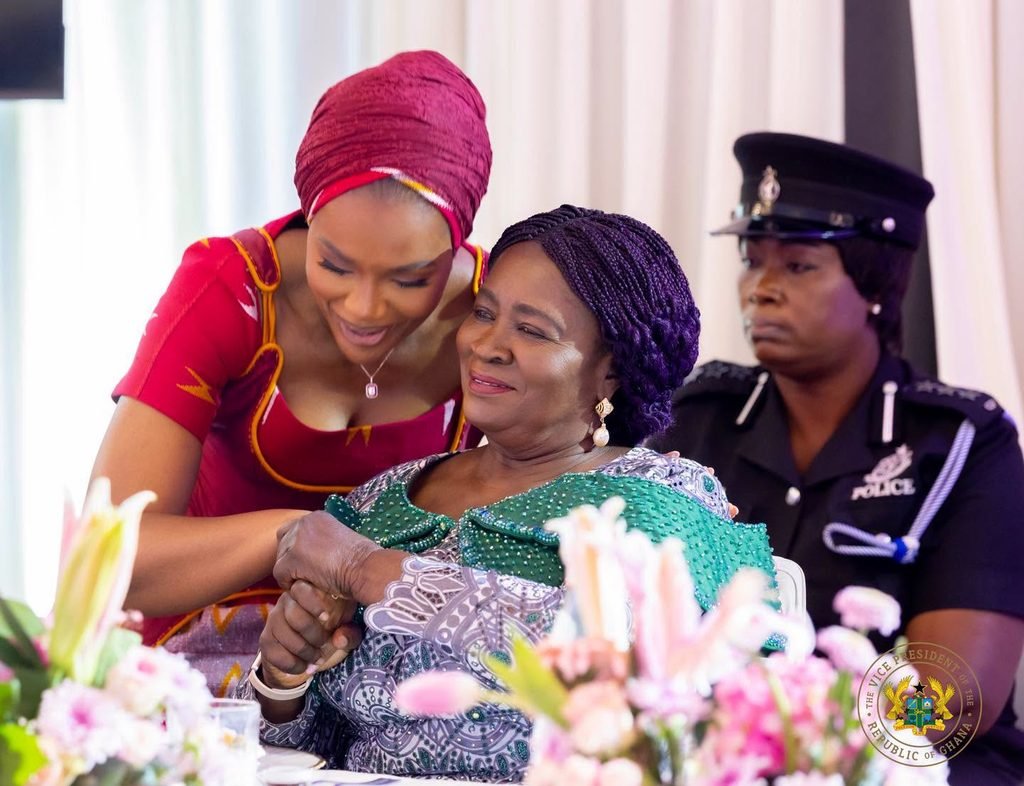
She made the remarks at the Women’s Leadership Breakfast hosted by Olori Ivie Atuwatse III, Queen Consort of the Warri Kingdom in Nigeria, where she reflected on the leadership abilities of women across Africa.
“African women have long demonstrated their ability to lead, even when their contributions receive little recognition,” the Vice President said.
Professor Opoku-Agyemang drew on her years of conversations with women in Ghana’s markets to illustrate how women demonstrate leadership through business management, financial decisions and community support.
“These women understand business, assess risks, manage resources, and sustain communities,” she said.
She noted that although many of these women might not identify themselves as leaders, their daily activities require considerable responsibility and contribute significantly to economic development.
“Many may not describe themselves as leaders, yet they exercise considerable responsibility and contribute significantly to our economies,” she added.
The Vice President’s remarks highlighted the need to recognise leadership beyond formal positions and titles, particularly among women whose work sustains households, businesses and local communities.
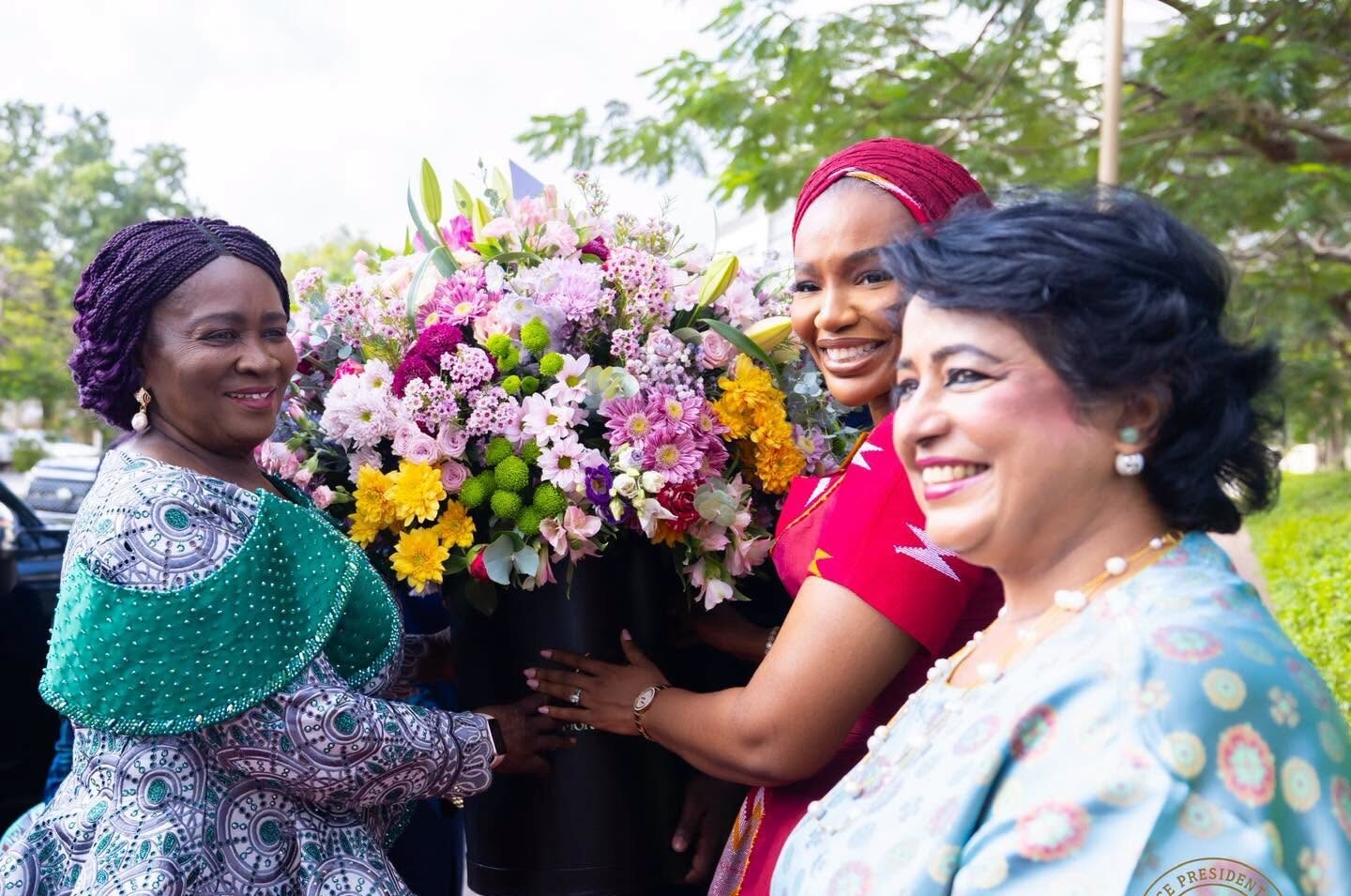
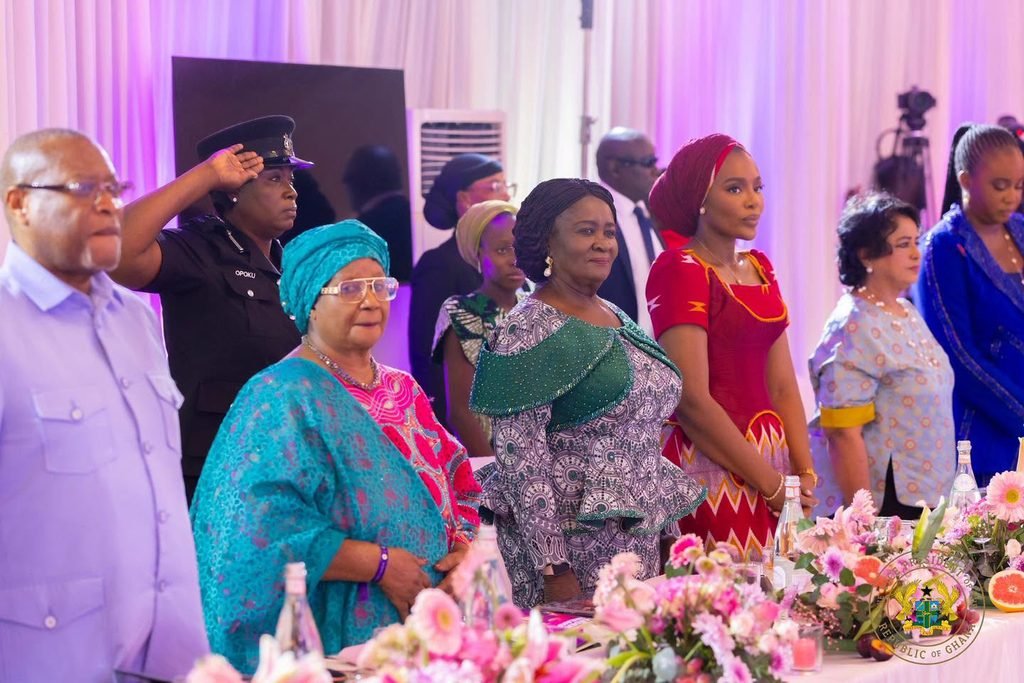
The Women’s Leadership Breakfast also brought together prominent African women, including Her Excellency Dr. Joyce Banda, former President of Malawi, and Her Excellency Dr. Ameenah Gurib-Fakim, former President of Mauritius.
Professor Opoku-Agyemang said discussions about women’s leadership must translate into practical action that expands opportunities for women and enables them to benefit fairly from their contributions.
“Our responsibility is to build systems that enable more women to participate fully and benefit fairly,” she said.
She also pointed to the upcoming Women’s Development Bank as an initiative intended to address financial barriers faced by women seeking to grow their businesses and expand their existing achievements.
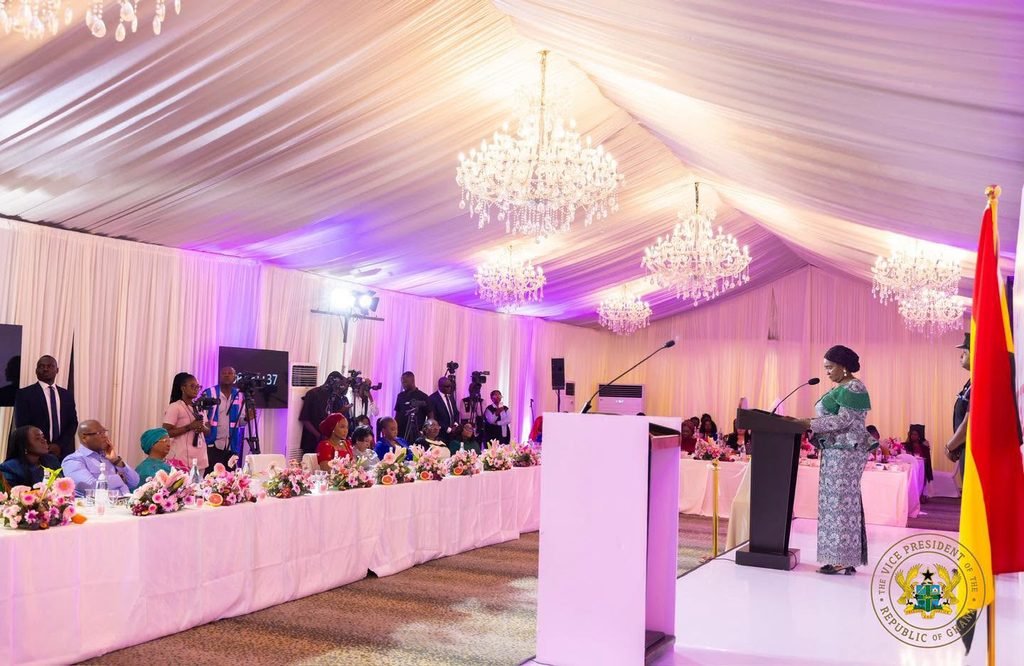
“The upcoming Women’s Development Bank seeks to address the financial barriers many women face as they expand what they have already built,” she said.
The Vice President expressed hope that the discussions would lead to practical collaboration, particularly to support women whose abilities and ambitions are not matched by the opportunities available to them.