





















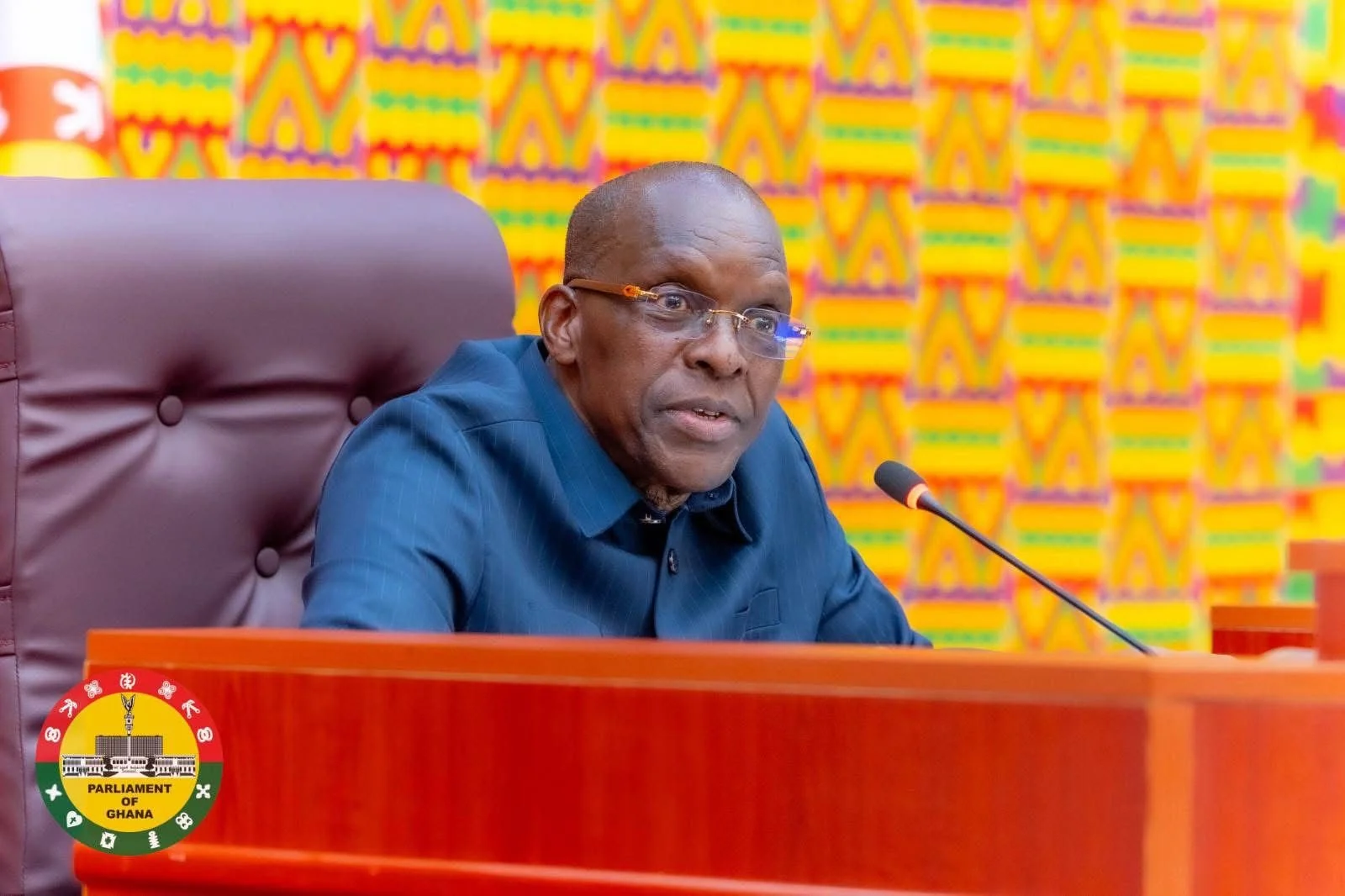
Speaker of Parliament Alban Bagbin has reaffirmed his commitment to passing the Proper Human Sexual Rights and Ghanaian Family Values Bill, popularly known as the anti-LGBTQ+ bill, into law.
He said Parliament would reconsider the legislation at its next sitting to correct errors identified in the version previously passed by lawmakers.
Speaking at the ongoing IPR Ghana 2026 National PR Conference and Excellence Awards in Koforidua, Mr Bagbin stressed that the bill should be treated as a matter of national consensus rather than partisan politics.
He explained that the initial passage took place hurriedly in his absence, prompting him to call for a review to address mistakes arising from last-minute amendments.
“When the law was rushed through at the last minute at my back, I came out and said no way, this bill must go through as a consensus bill. We don’t want partisanship in it. It is for everybody. It means a lot to Ghanaians,” he said.
Mr Bagbin indicated that the proposed corrections would be made during the second consideration before Parliament proceeds with the legislation.
“We have identified a few mistakes, most of the last-minute amendments, and therefore the next meeting will come back for a second consideration, and we’ll pass it,” he added.
The Speaker further maintained that the legislation would become law as long as he remained in office, insisting that any changes after his departure would be for his successors to decide.
“When we are no longer there, you can do what you want to do. But so far as we continue to exist, that law will be the law of the land. You can do whatever you want after I’m gone,” he said.
Mr Bagbin also commended the Minister for Communication, Digital Technology and Innovations, Samuel Nartey George, for his contribution to the parliamentary debate on the bill, saying his role had made Ghana proud.
The bill was first introduced in Parliament in 2021 by a group of lawmakers and has since generated intense public debate. Its supporters argue that it is necessary to protect Ghanaian cultural, religious and family values, while opponents have raised concerns about its implications for human rights and fundamental freedoms.
The proposed legislation seeks to prohibit LGBTQ+ activities and restrict their promotion, advocacy, sponsorship and funding. It also proposes penalties for individuals and organisations found to have engaged in activities prohibited under the bill. Ghana’s existing laws already criminalise certain same-sex sexual acts.
Parliament passed an earlier version of the bill in February 2024. However, it did not receive presidential assent before the Eighth Parliament ended in January 2025, causing it to lapse. The legislation was subsequently reintroduced in the Ninth Parliament and passed again in May 2026.
The bill has attracted both domestic and international attention, with religious and traditional groups among its supporters, while human rights organisations and other critics have warned that its provisions could affect the rights and freedoms of LGBTQ+ people and those who advocate for them.