





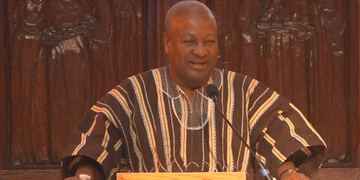






Ghana’s Foreign Minister Samuel Okudzeto Ablakwa has called for stronger international action against racism, discrimination and intolerance, saying the world still faces serious challenges 25 years after the adoption of the Durban Declaration.
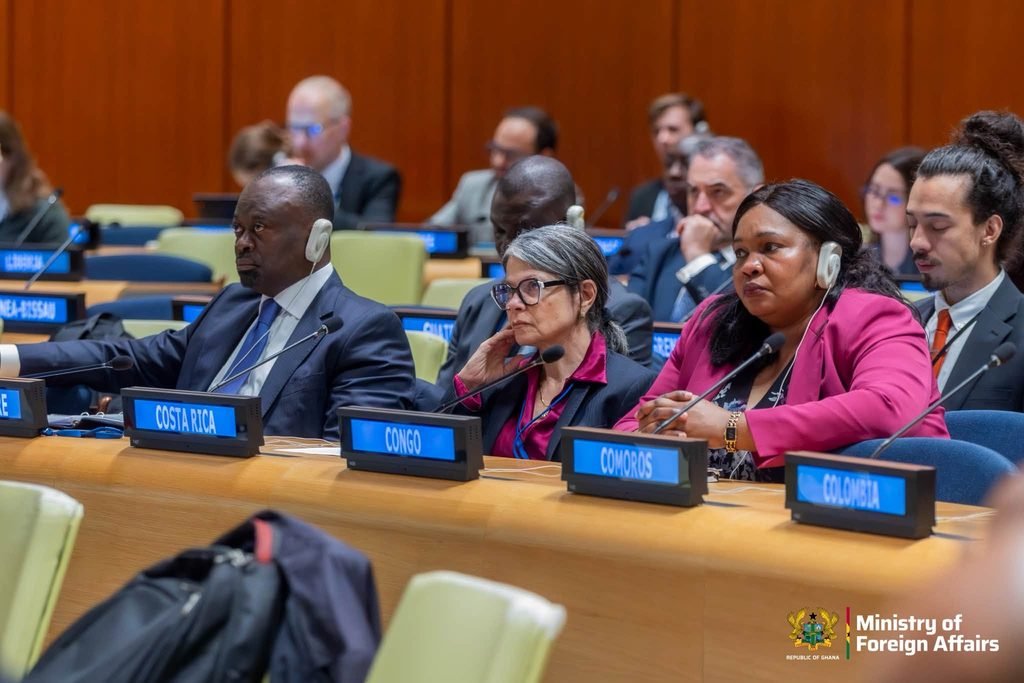
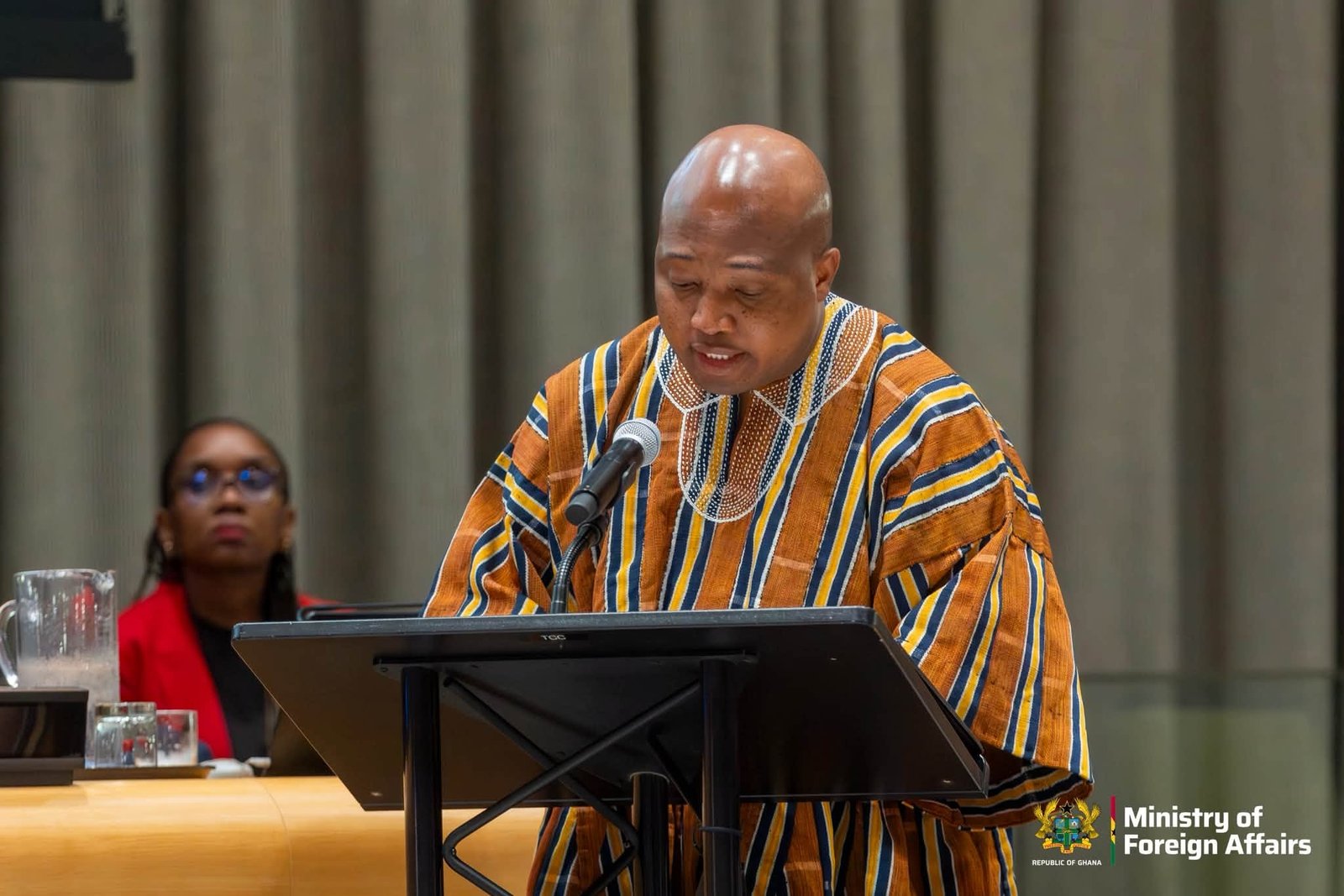
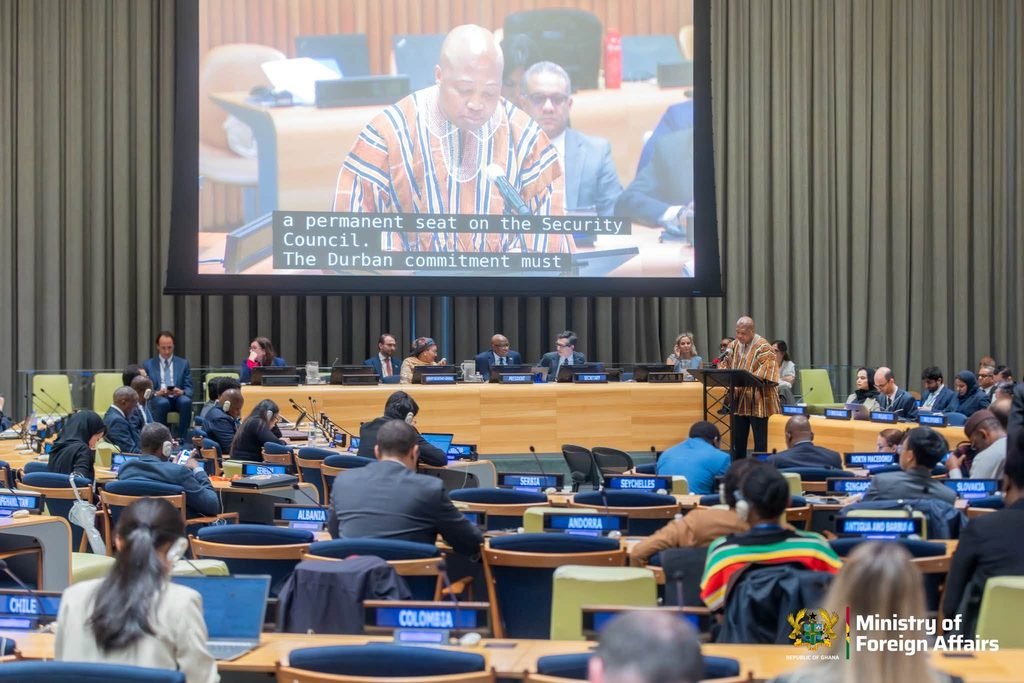
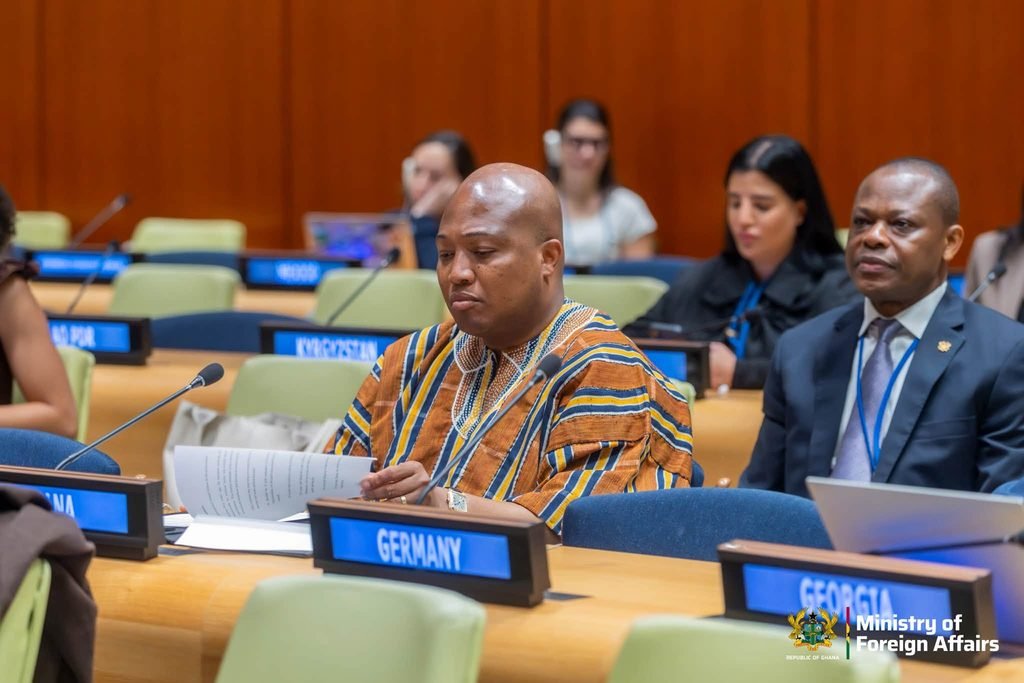
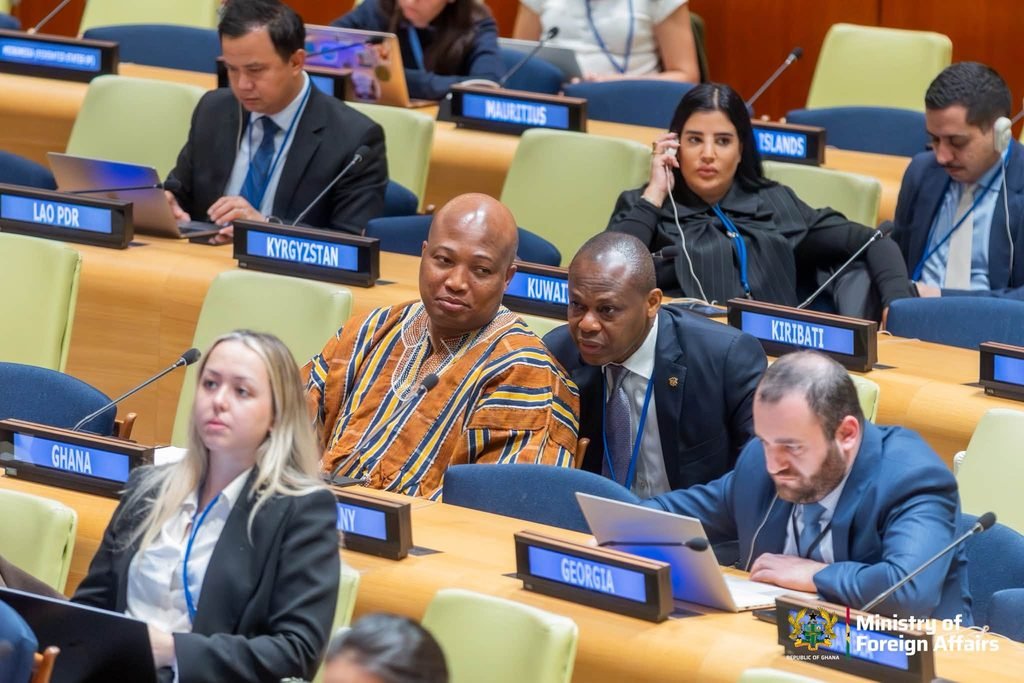
Mr. Ablakwa made the remarks while addressing a special high-level United Nations commemorative session marking the 25th anniversary of the Durban Declaration.
The declaration was adopted 25 years ago as part of global efforts to combat racism, racial discrimination, xenophobia and related intolerance. Reflecting on its anniversary, Mr. Ablakwa said the continued presence of violence and discrimination shows that more work is needed.
“It must give us all great consternation that 25 years after the Durban Declaration, we are still witnessing extreme intolerance, violence and discrimination manifesting as genocide in Palestine, xenophobia in South Africa and attacks on minorities including Rohingya Muslims and African Americans,” he said.
The Foreign Minister said the international community must work towards a world where human life is valued equally. “Clearly, we have urgent work to do in creating a new world where every life matters,” he said.
Mr. Ablakwa also highlighted Ghana’s role in efforts to address the historical roots of racial discrimination and inequality. He pointed to a Ghana-led United Nations resolution concerning the transatlantic enslavement and racialized chattel as a major development.
“This is why the Ghana-led landmark UN Resolution declaring the transatlantic enslavement and racialised chattel as the gravest crime against humanity is a historic step towards acknowledging the root cause of discrimination, injustice and inequality,” he said.
According to Mr. Ablakwa, the resolution has also created a platform for further discussions on reparative justice. He said progress since the adoption of the resolution includes discussions around apologies, historical reckoning, the return of looted artefacts and cultural heritage, as well as repair and compensation.
“The progress we are making after the Ghana-led resolution A/RES/80/250 in securing apologies; engaging in honest reckoning; achieving pledges on the return of looted artefacts and cultural heritage; repair and compensation is the foundation for the new world we are building,” he said.
Mr. Ablakwa also referred to remarks by Brazilian President Luiz Inácio Lula da Silva on the resolution. He said he agreed with President Lula’s assessment of the significance of the vote at the United Nations.
“I agree with President Luiz Inácio Lula da Silva of Brazil when he stated in his UN address last week that the vote on the Ghana-led resolution is one of the most important votes by the UN in its 81-year history,” he said.
The Foreign Minister also used his address to reaffirm Ghana’s position on the International Criminal Court (ICC). He said Ghana supports the ICC and rejected efforts to abolish the institution.
“In my speech, I also declared Ghana’s unwavering support for the ICC and opposed attempts to abolish the ICC,” Mr. Ablakwa said.
He added that Ghana believes international institutions responsible for addressing crimes against humanity should be strengthened. “Ghana takes the view that international mechanisms for punishing crimes against humanity must be protected and strengthened,” he said.
Mr. Ablakwa’s remarks placed Ghana’s participation in the commemorative session within a broader discussion about racism, historical injustice and international accountability.
The Foreign Minister concluded his statement with the words, “For God and Country.”