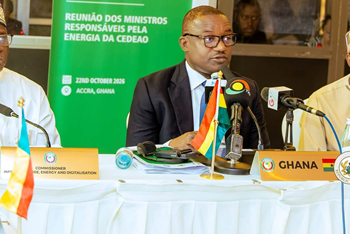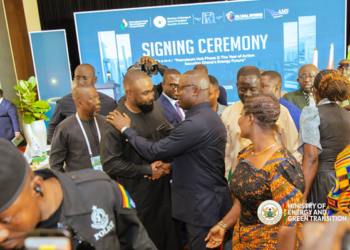


























The Minister for Energy and Green Transition, Dr John Abdulai Jinapor, has called for a shift in Africa’s energy agenda from simply expanding electricity access to developing reliable, affordable and sustainable power systems capable of driving industrialisation.
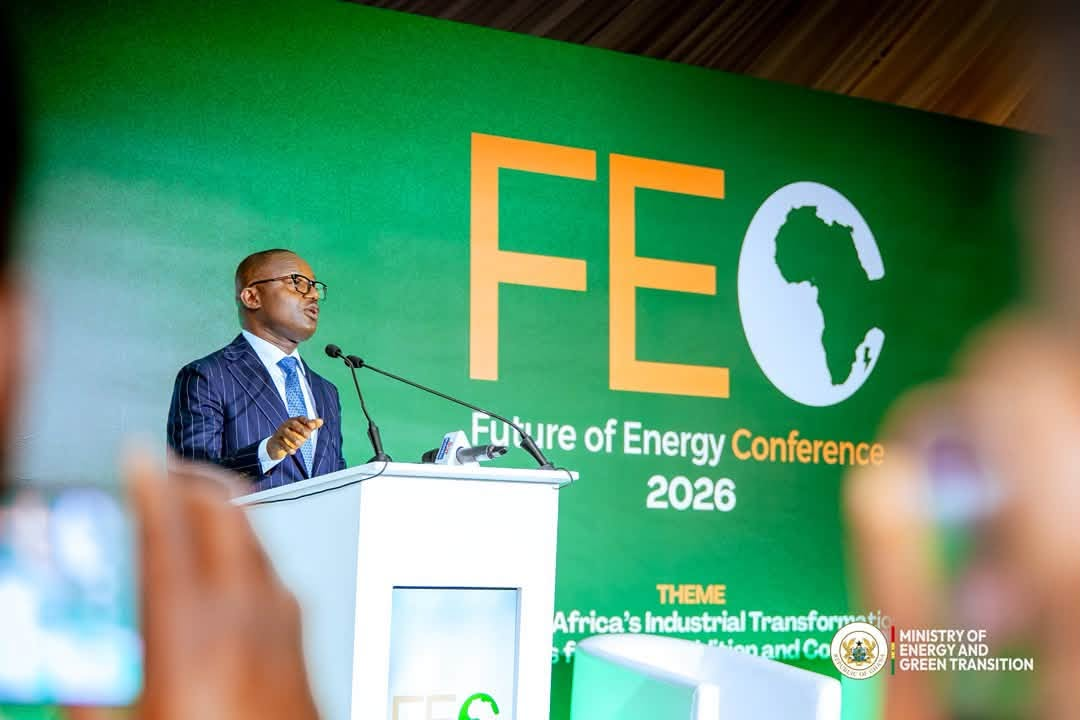
He made the call when he addressed the Future of Energy Conference (FEC) 2026 on the theme, “Powering Africa’s Industrial Transformation: Energy Systems for Value Addition and Competitiveness.”
Dr Jinapor said Africa’s energy future must be anchored on the ability of countries to provide dependable and competitively priced electricity to support industrial growth, value addition and job creation.
According to him, access to electricity alone was no longer sufficient, stressing the need for energy systems that could enable businesses and industries to produce competitively and create sustainable employment opportunities.
For Ghana, the Minister said the transformation would require strengthening the financial sustainability of the power sector while investing strategically in generation, energy storage and transmission infrastructure.
He also emphasised the importance of transparency and value for money in the management of the energy sector, alongside deeper regional cooperation to improve energy security across the continent.
Dr Jinapor said the government, under the leadership of President John Dramani Mahama, had already begun implementing measures aimed at transforming Ghana’s energy sector into a more sustainable, efficient and competitive system.
He noted that a stronger energy sector would provide the foundation for Ghana’s industrial development and help create economic opportunities for citizens.
The Minister’s remarks at the conference highlighted the critical role of energy in Africa’s broader industrial transformation, particularly as countries seek to move beyond exporting raw materials towards greater domestic processing and value addition.
He said sustained investment and reforms in the energy sector would be essential to powering Africa’s industries and improving the continent’s competitiveness in the global economy.