
























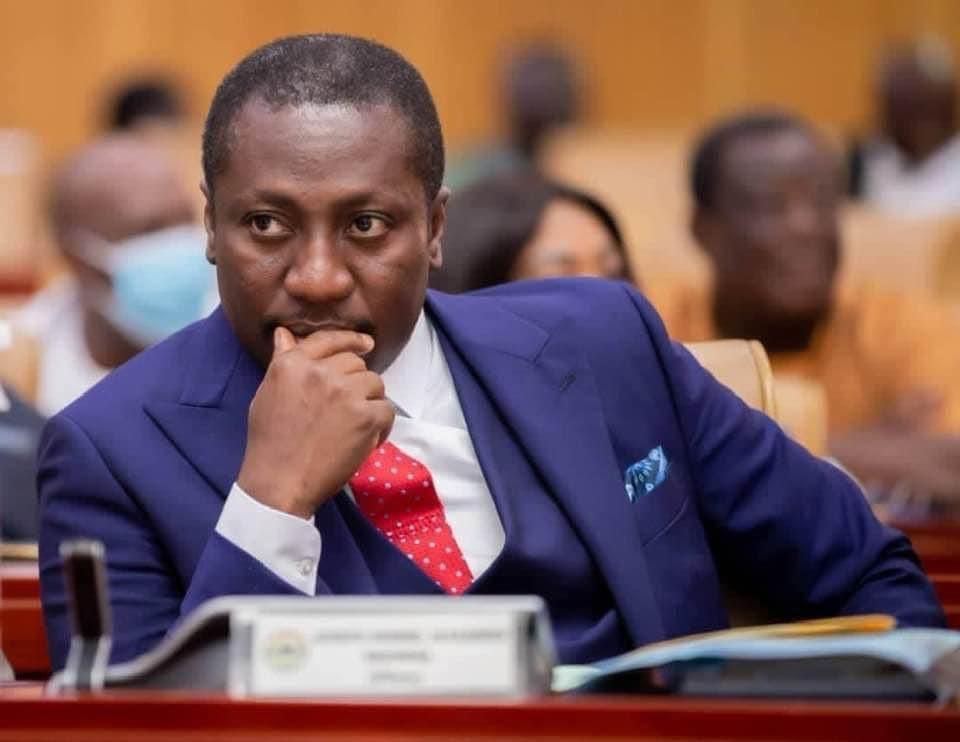
Minority Leader Alexander Afenyo-Markin has issued a stern warning to officials of the Ghana Gold Board (GoldBod), saying their decisions in managing the country’s gold resources could come under scrutiny even after the current government leaves office.
Afenyo-Markin, speaking at a media briefing, said public officials should not view their positions as temporary shields against accountability.
He said anyone involved in decisions concerning state resources must be prepared to answer questions about those decisions, irrespective of who is in power at the time.
“Post-regime accountability awaits you. Every public official must understand that public office comes with responsibility and accountability,” he stated.
The warning comes as the Minority continues to challenge aspects of GoldBod’s gold trading operations, particularly the financial implications of the programme and the role of state institutions in facilitating the transactions.
Afenyo-Markin rejected the suggestion that reported profits by GoldBod should bring the debate to an end.
For him, the bigger question is whether the country has ultimately received value from the transactions and whether the financial risks associated with the programme have been properly accounted for.
He pointed to concerns over alleged losses and the financial burden said to have been carried by the Bank of Ghana and other state institutions involved in the gold trading arrangements.
The Minority Leader said these issues require a detailed examination rather than being brushed aside on the basis of GoldBod’s reported financial performance.
“The Ghanaian people deserve clear answers on how public funds have been managed and whether the state obtained value from these transactions,” Afenyo-Markin said.
He is therefore pushing for independent investigations into the programme, arguing that an objective assessment would help establish the true financial position of the arrangements and provide the public with answers.
According to him, such investigations should not be viewed through a partisan lens.
He insisted that demanding explanations from public officials is part of the democratic process and is necessary to protect public confidence in the management of Ghana’s natural resources.
Afenyo-Markin also sought to draw a line between political change and public accountability, warning that leaving office does not automatically bring an end to responsibility for decisions taken while in office.
“No public officer should assume that accountability ends when a government leaves office. Every decision taken with public resources must be capable of withstanding scrutiny,” he added.
The Minority is expected to maintain pressure for greater transparency over GoldBod’s operations as questions persist over the financial structure and implications of the country’s gold trading programme.