



















The Minority has raised concerns over reported financial losses associated with Ghana’s domestic gold purchase programme, calling for greater transparency over how the figures were arrived at.
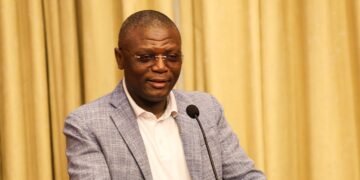
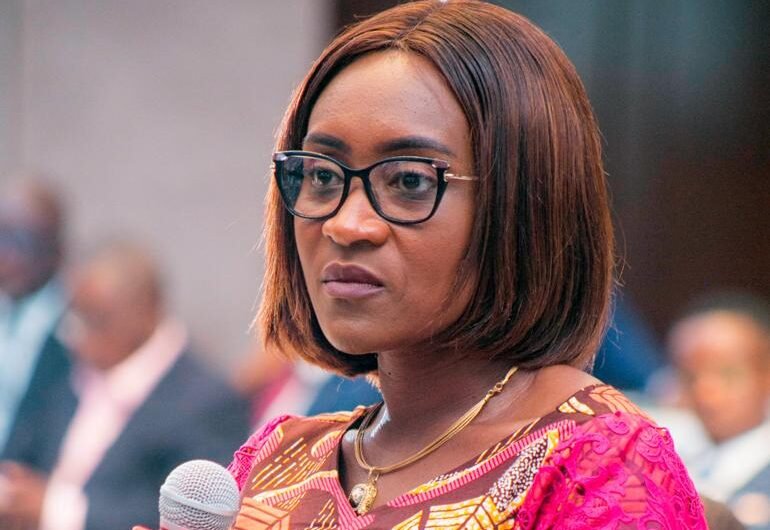
Speaking in an interview, Chairperson of the Public Accounts Committee, Abena Osei Asare, questioned the disparity between the loss reported by the Bank of Ghana and a significantly higher figure attributed to the programme in the International Monetary Fund’s latest Article IV consultation.
According to her, the Bank of Ghana’s 2025 financial statements put the loss at US$214 million, while the IMF reportedly estimated the loss at about US$1.7 billion.
She said the difference, equivalent to roughly GH¢22 billion, warrants a detailed explanation from the Bank of Ghana and the accounting firm that audited its financial statements.
“I’m asking the accounting firm that audited Bank of Ghana, I want to hear from them on this. So how did they treat the difference of close to 1.4 billion?”
The concerns come against the backdrop of the government’s domestic gold purchase programme, through which the state buys gold locally as part of efforts to build foreign exchange reserves and strengthen the country’s gold holdings.
The programme has attracted increased scrutiny over its financial performance, particularly the costs associated with purchasing, processing and selling the gold.
Madam Asare argued that the reported figures require closer examination, especially given the financial pressures facing the government and public institutions.
She said the issue should not be dismissed as a disagreement over figures but should prompt a clear account of how the programme’s financial results were calculated and presented.
The Minority is therefore calling for greater accountability over the programme and an explanation of the apparent gap between the Bank of Ghana’s reported loss and the figure cited by the IMF.