

















The Minerals Income
Investment Fund (MIIF) has recorded more than GH¢5 billion in mineral royalty inflows in 2025—the first time the Fund has crossed the milestone—as Ghana steps up efforts to maximise returns from its mineral resources.
The Fund said the achievement follows sustained reforms and stronger collaboration with institutions responsible for collecting and managing mineral revenues.
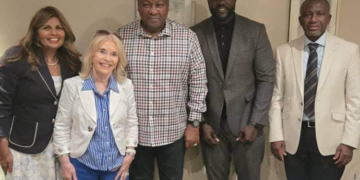
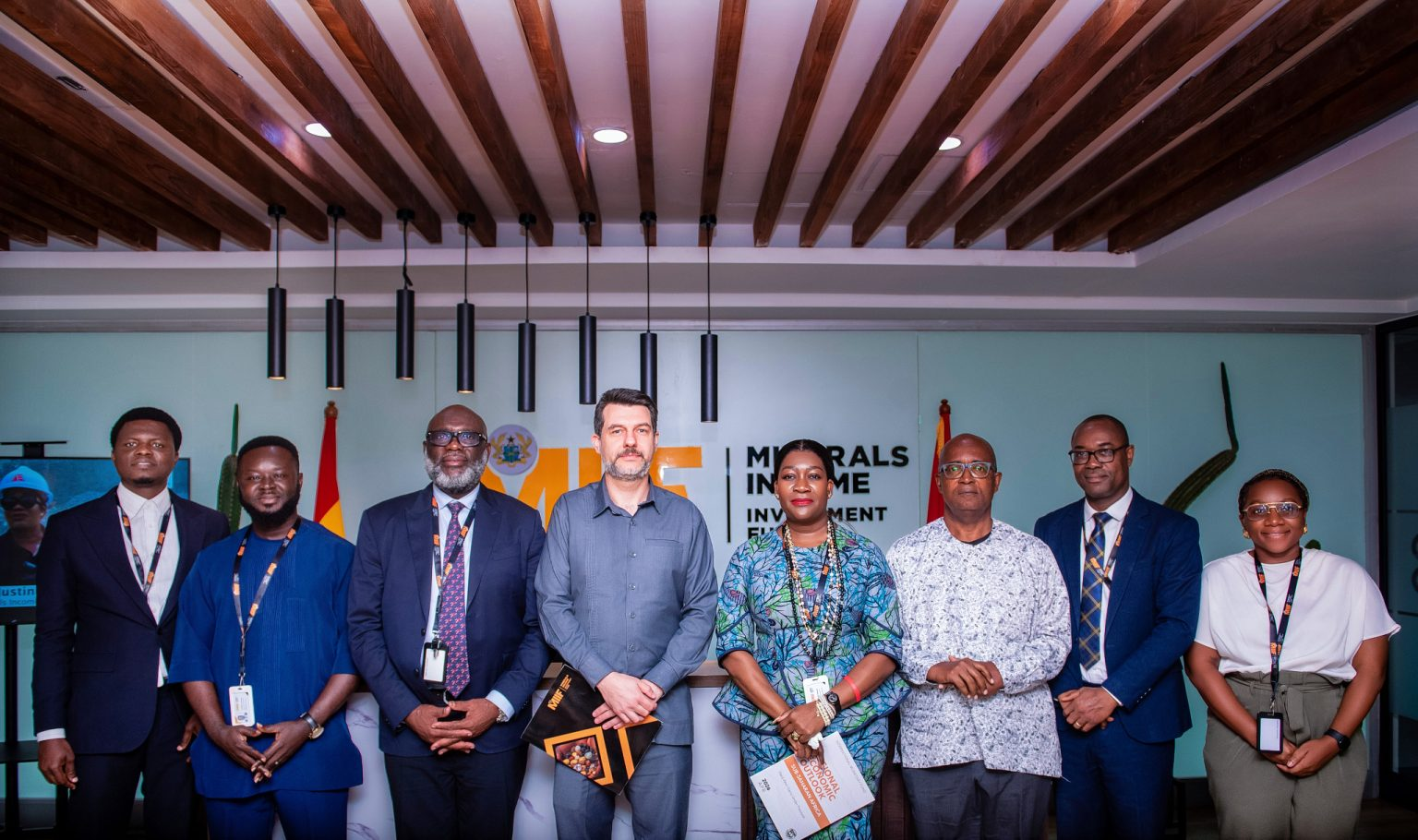
The milestone featured prominently during a meeting between MIIF and the International Monetary Fund (IMF) in Accra, where discussions focused on strengthening revenue mobilisation, improving governance, and formalising Ghana’s small-scale mining sector.
MIIF Chief Executive Officer, Justina Nelson, said the Fund’s performance reflects “stronger revenue mobilisation efforts” despite exchange rate fluctuations and prevailing market conditions.
She attributed the gains to closer collaboration with the Ghana Revenue Authority (GRA), Minerals Commission, Ghana Gold Board, and the Ghana National Association of Small-Scale Miners to strengthen governance and improve royalty collection.
Mrs. Nelson described the small-scale mining sector as having “enormous potential” to transform the economy, adding that ongoing formalisation efforts will expand the royalty base and improve compliance.
MIIF’s Head of Investment, Ernest Attiso, said the Fund’s mandate is to “maximise mineral royalty collections” in partnership with the GRA while investing mineral revenues for the benefit of current and future generations.
He said MIIF’s strategic plan through 2028 prioritises stronger royalty mobilisation, improved governance, compliance, and risk management, alongside investments in mineral processing, exploration, small-scale mining formalisation, and beneficiation projects.
The IMF welcomed MIIF’s efforts, with Resident Representative Dr Adrian Alter identifying “fiscal discipline, debt sustainability, and domestic revenue mobilisation” as critical to sustaining macroeconomic stability and long-term private sector-led growth.
Dr Alter also stressed the importance of “transparency” and stronger reporting standards, noting that while Ghana’s small-scale mining sector generates significant production, it continues to record relatively low formal royalty collections due to informality and environmental challenges.