
























Ghana’s inflation rate slowed to 3.3 percent in February 2026, marking the 14th month of consecutive declines and the lowest level since the 2021 rebasing of the Consumer Price Index (CPI), the Ghana Statistical Service (GSS) has reported.
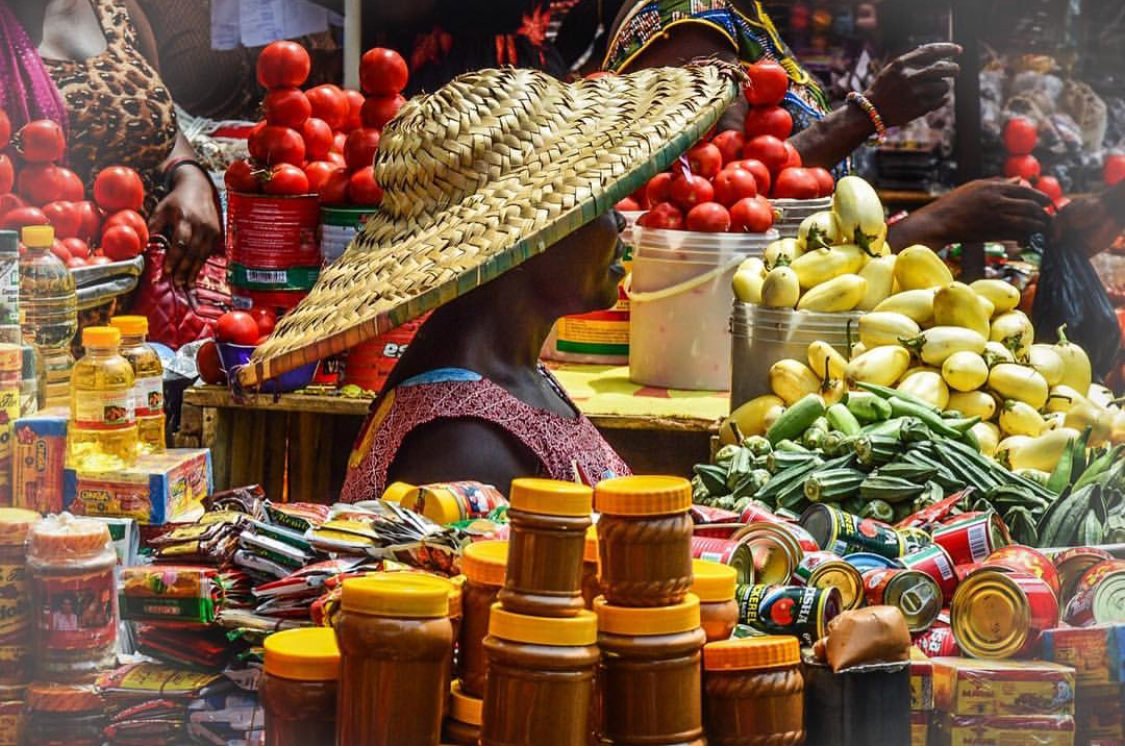
Month-on-month, prices rose marginally by 0.8 percent, while annual food inflation eased to 2.4 percent, providing some relief for households. Non-food items saw a slight uptick to 4.0 percent, with imported goods recording a significant slowdown to 0.6 percent.
Government Statistician Dr. Alhassan Iddrisu described the trend as a “sustained shift in prices, signalling a firm path to macroeconomic stability.”
He noted that housing, utilities, and education remain the main contributors to inflation, while transportation costs eased.
Regionally, the North East recorded the highest inflation at 8.9 percent, while the Savannah Region experienced deflation of 5.6 percent. Dr. Iddrisu urged continued fiscal discipline and targeted interventions to maintain the downward trend in prices.
The data highlights broad-based moderation across the economy, suggesting improving price stability and strengthening prospects for sustained macroeconomic recovery.