




















Ghana’s external position has received a significant boost, with the Bank of Ghana reporting a rise in international reserves to about $14.5 billion—enough to cover roughly 5.8 months of imports.
The latest figure marks an increase from just above $13 billion recorded in January 2026, reflecting a strengthening of the country’s external buffers at a time of cautious global uncertainty.
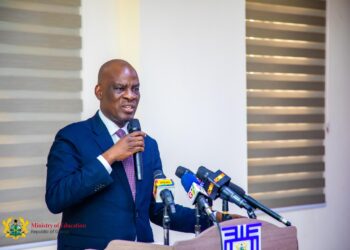
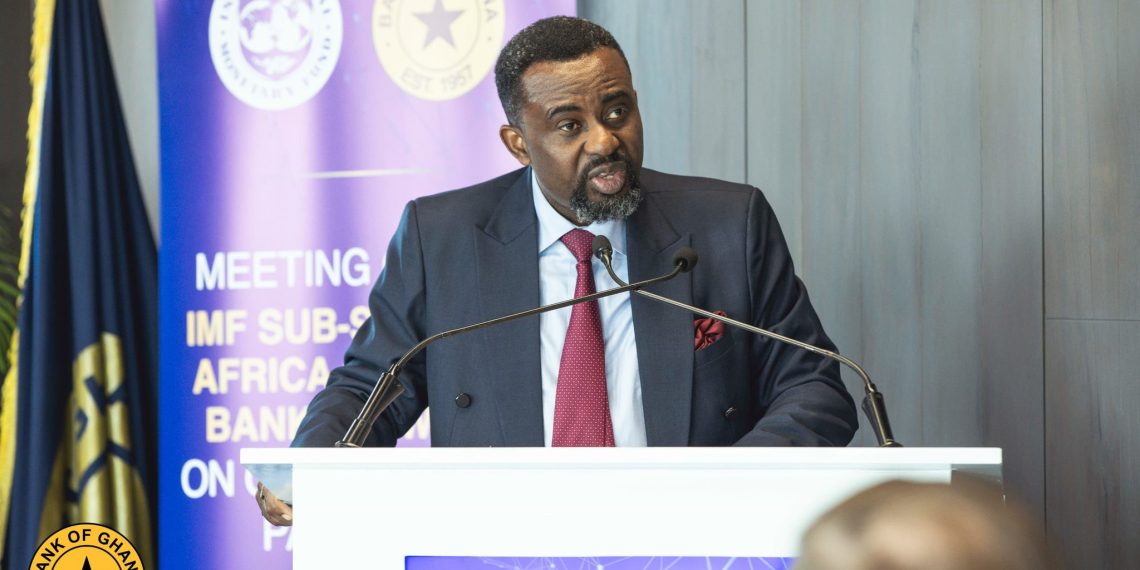
Speaking at the opening of the 129th Monetary Policy Committee (MPC) meeting on Monday, Governor Johnson Pandit Asiama said recent data points to a more resilient economy than earlier projections suggested.
He noted that inflation has continued its downward trend, dropping to 3.3 percent in February—its 14th consecutive monthly decline and now below the central bank’s medium-term target range.
Beyond price stability, fiscal and real sector indicators also showed improvement. Ghana recorded a primary surplus of 2.6 percent of GDP at the end of 2025, while business and consumer confidence strengthened, alongside a gradual rebound in credit activity.
According to the Governor, these developments collectively indicate that the economy is regaining stability faster than anticipated, largely due to sustained policy discipline.
He further emphasized that the build-up of reserves will play a key role in sustaining investor confidence and cushioning the economy against external shocks.
As part of efforts to deepen this progress, the government has introduced the Ghana Accelerated National Reserve Accumulation Programme (GANRAP), a medium-term strategy aimed at significantly increasing the country’s reserve levels.
The programme is targeting a substantial rise in reserves to the equivalent of 50 months of import cover by 2028—far above the current level of 5.8 months.
However, Dr. Asiama cautioned that such an ambitious plan must be carefully managed, noting potential implications for liquidity, the central bank’s balance sheet, and overall monetary policy operations.
Despite the positive domestic outlook, the MPC is proceeding with caution as global risks intensify. Rising geopolitical tensions in the Middle East have disrupted key trade and energy routes, contributing to volatility in oil prices and raising the risk of imported inflation.
While higher gold prices could offer some relief to Ghana’s trade balance, the Governor warned that external risks remain tilted toward inflationary pressures.
The ongoing MPC meeting is therefore expected to focus not only on sustaining recent gains but also on calibrating policy responses to emerging global challenges.
The committee will also assess the implementation of GANRAP and review how effectively monetary policy is translating into credit growth within the economy.
Dr. Asiama stressed that the central question before policymakers is how to maintain the current momentum while adapting to a shifting global environment.
The outcome of the meeting is expected to provide clearer guidance on the Bank of Ghana’s next policy steps as it balances domestic recovery with external uncertainties.